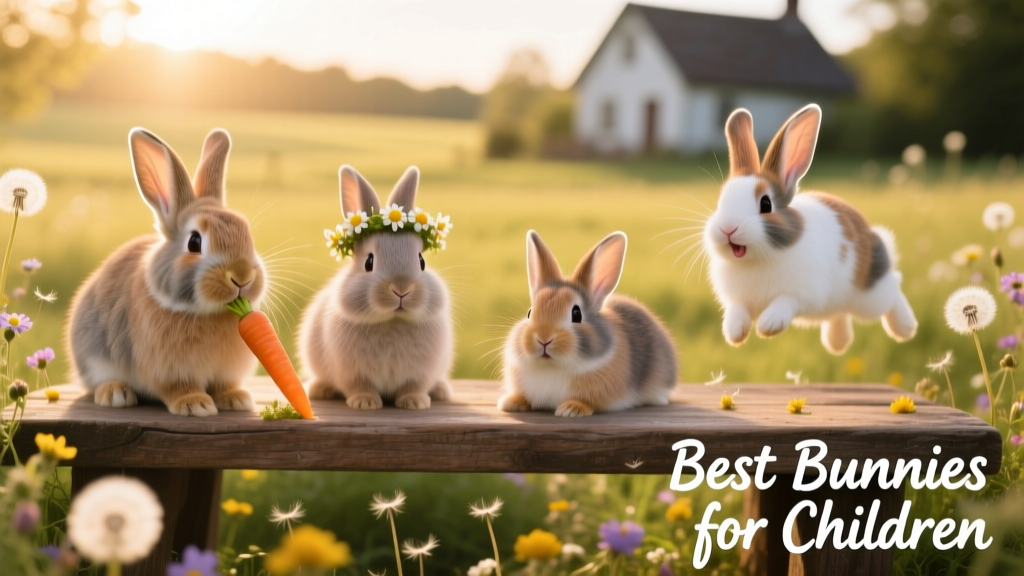
The Best Bunnies for Kids
Bunnies can make wonderful companions for children—but not all rabbits are equally well-suited to life with kids. Choosing the right rabbit involves considering temperament, size, breeding background, and care needs.
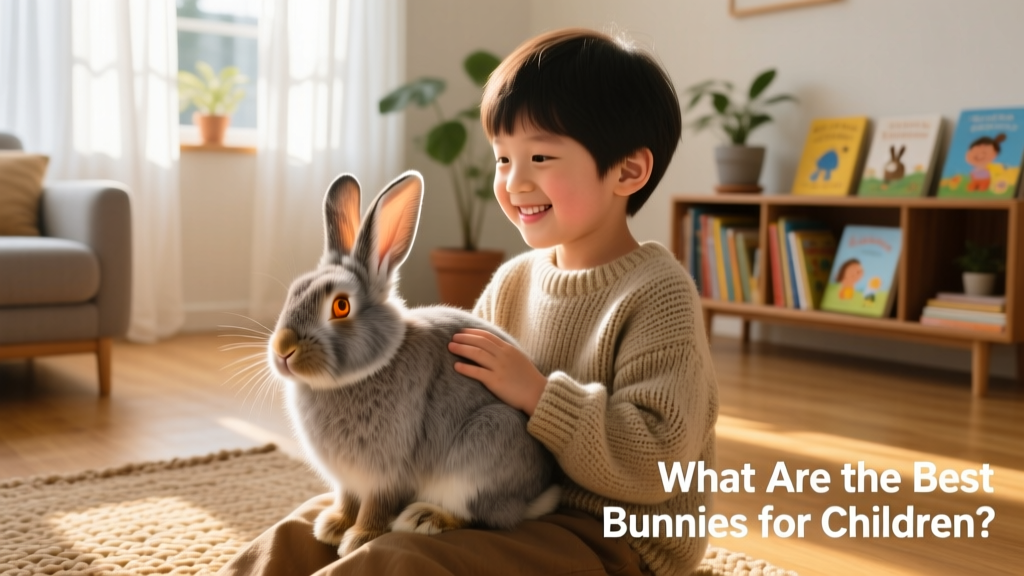
Key Traits to Look For
- Avoid fancy breeds. These often require extensive grooming and may have less predictable temperaments due to generations of selective inbreeding.
- Choose medium-sized rabbits. They’re sturdy enough to be handled safely by children without risk of injury—and tend to be calmer than smaller or larger varieties.
- Source from reputable private breeders. Ethical breeders prioritize health, temperament, and socialization. They’ll also offer guidance and support long after adoption.
- Opt for rabbits raised in small-scale, home-based settings. These bunnies are typically gentler and better accustomed to human interaction than those from high-volume pet stores—where early separation from mothers and stressful environments can lead to fearfulness and behavioral issues.
Rabbits from pet stores are frequently under-socialized, poorly bred, and more prone to health problems—making them a less reliable choice for families with children.
Comparison at a Glance
- Good for Children: Medium-sized rabbits; rabbits from private hands or ethical breeders; basic (non-fancy) breeds
- Not Ideal for Children: Very small or very large rabbits; rabbits from pet stores; fancy or highly specialized breeds
Rabbit Care and Children
Before bringing a bunny home, remember that rabbits are living beings with real medical needs. They can develop serious illnesses—including dental disease, gastrointestinal stasis, and respiratory infections—that require prompt veterinary attention. If you’re unable or unwilling to provide proper care, including regular check-ups and emergency treatment, a rabbit is not the right pet for your family.
Do Your Research First
Small wire cages sold in pet shops are far too cramped for daily use—they’re only suitable for short-term transport. A healthy rabbit needs space to hop, stretch, and explore. Start with an enclosure at least four times their body length, plus daily supervised free-roam time in a safe area.
Nutrition is equally critical:
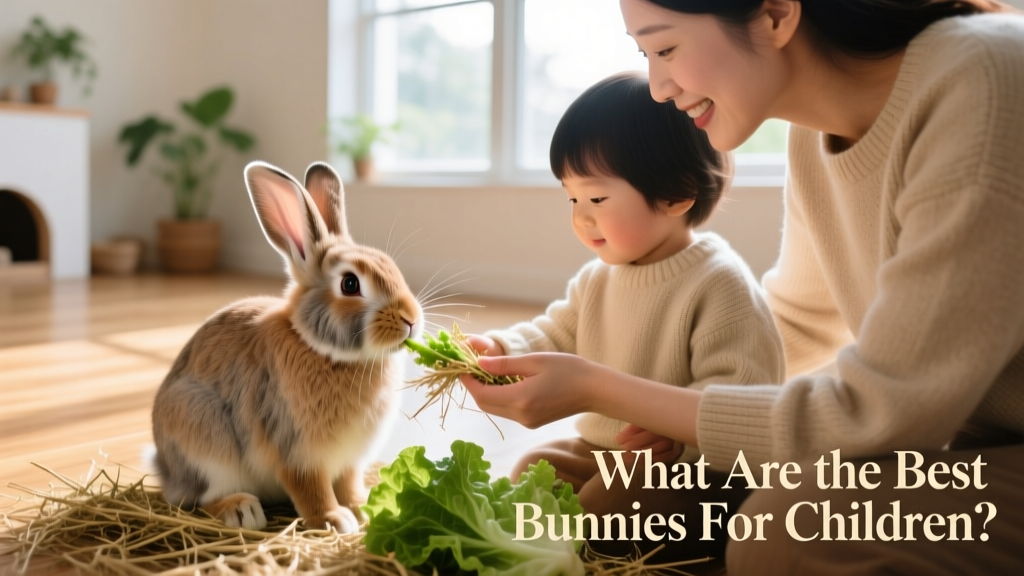
- Unlimited access to high-quality grass hay (like timothy or orchard grass)
- A measured portion of plain, high-fiber pellets (avoid sugary or colorful mixes)
- Fresh, clean water available at all times
- Occasional leafy greens—introduced slowly and one at a time to monitor digestion
Some common foods are surprisingly dangerous: while carrots are fine in moderation, iceberg lettuce and other watery lettuces can cause life-threatening digestive upset. Always research new foods before offering them.
Remember: rabbits are prey animals. A newly adopted bunny may be shy or nervous. Sudden movements, loud noises, or improper handling can trigger fear-based reactions—including biting, kicking, or scratching. It’s your responsibility as a caregiver to teach your children how to approach, hold, and respect their rabbit—calmly, gently, and with supervision.