
Must-knows when adopting a cat: an expert's opinion
In this article, we’re joined by Kendall Schulz — Adoptions Services Director at Helen Woodward Animal Center — to explore what every prospective cat parent should know before welcoming a feline friend into their home. Whether you're considering adoption for the first time or expanding your furry family, these insights will help set both you and your new cat up for long-term happiness.
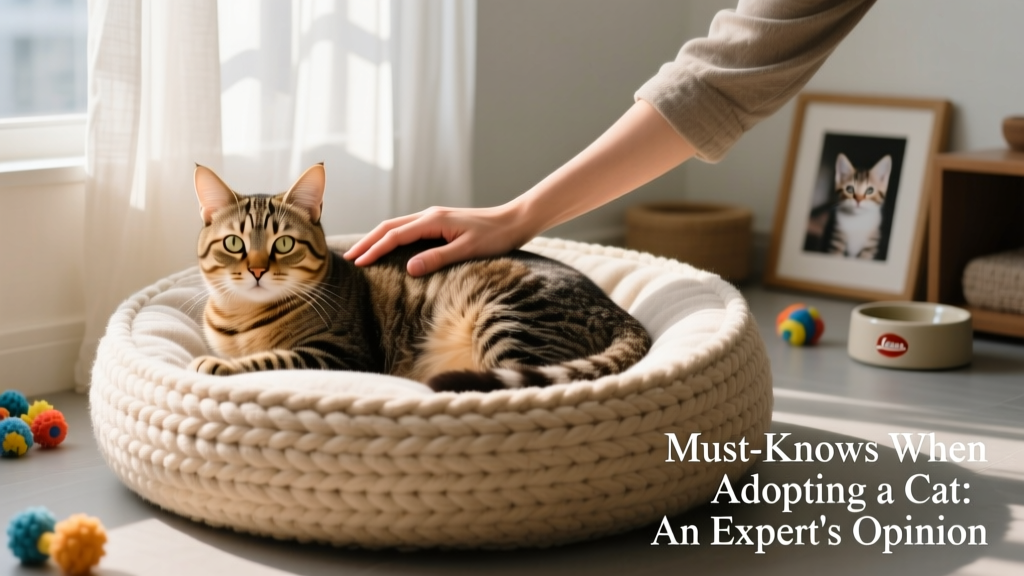
Things to consider before adopting a cat
Congratulations — you’re taking the thoughtful first step toward adopting a cat! While it’s a joyful decision, it’s also a lifelong commitment. To give your new companion the best possible start, keep these key considerations in mind:
- Prepare your home. Before bringing your cat home, “cat-proof” your space to ensure safety and comfort.
- Other pets and children. Give your cat time to settle in quietly before introducing them to other household members — felines thrive on routine and may need days or even weeks to adjust.
- Litter box success. Most cats use a litter box instinctively. Place it in a quiet, low-traffic area that offers privacy — but still allows you easy access for daily cleaning.
- Daily exercise. Play with your cat for at least 15–20 minutes each day. Interactive toys like wand teasers satisfy their natural hunting instincts and prevent boredom-related behaviors.
- Cost of care. Budget for regular veterinary visits ($70–$100 annually), vaccinations ($30–$50), potential dental care as they age, and routine parasite prevention.
- Spaying or neutering. This simple procedure supports longer life expectancy, reduces health risks, and helps curb unwanted behaviors. FurPetVo strongly recommends it for all adopted cats.
Cat-proofing your home
Creating a safe environment is one of the most important steps before adoption. Here’s how to cat-proof effectively:
- Remove small objects that could be swallowed or cause choking.
- Store toxic substances — including cleaning products, medications, and certain houseplants — securely out of reach.
- Secure loose electrical cords with cord covers or tape to prevent chewing.
- Provide multiple scratching posts in different rooms to protect furniture and support healthy claw maintenance.
- Inspect window screens for holes or gaps, and ensure they’re firmly attached to frames.
- Keep interior doors fully closed — cats can nudge open slightly ajar doors.
- Always keep toilet lids down. Kittens risk drowning, and cats may drink contaminated water.
- Never take your cat outdoors without a secure carrier — even in familiar yards.
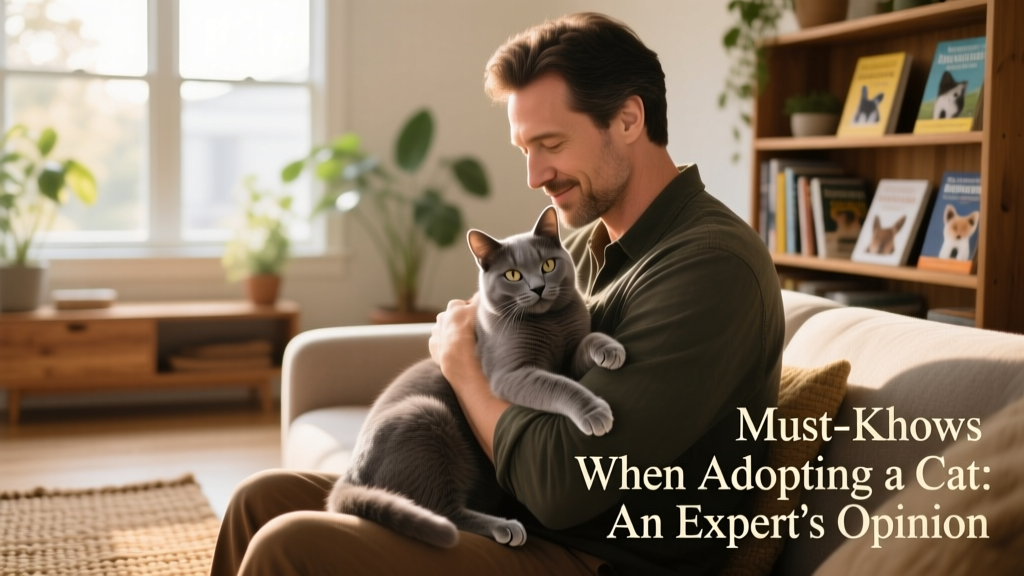
Cat supplies checklist
You don’t need an overwhelming list of gear — just the essentials to support your cat’s health and well-being. Before adoption, gather:
- Food and water bowls (one of each per cat)
- At least one litter box per cat (plus one extra is ideal)
- Clumping, low-dust cat litter
- A sturdy, well-ventilated cat carrier for vet trips and travel
- At least one scratching post or pad per cat
- Interactive toys — especially wand-style toys with soft attachments, which mimic prey movement
- A grooming brush (especially vital for long-haired breeds)
How to adopt a cat: the process
Adopting a cat is deeply personal — no two journeys are exactly alike. But there are proven, compassionate steps most successful adopters follow:
Find your local adoption source
Start by visiting shelters or rescue organizations near you. FurPetVo encourages choosing reputable, transparent groups like Helen Woodward Animal Center — where dozens of loving, ready-to-adopt cats await their forever homes.
Kitten or adult cat?
Your lifestyle and experience level matter when deciding between a kitten and an adult cat:
- Kittens are full of energy and curiosity. Their personalities are still developing, offering flexibility in training — but they require more supervision, socialization, and patience during teething and play-biting phases.
- Adult cats arrive with fully formed temperaments. What you see during your shelter visit — whether they’re playful, affectionate, or independent — is likely who they’ll be at home. That predictability makes adult cats an excellent choice for first-time pet parents.
Visit and connect
Once you’ve decided on age and personality preferences, head to your local shelter or rescue. At FurPetVo partner centers, staff often advise adopters to focus less on paperwork and more on presence: spend quiet time observing and interacting with cats. As Kendall puts it, “When you meet the right feline for you, you’ll know.” It’s not always logical — but that intuitive spark is often the beginning of a beautiful, lasting bond.