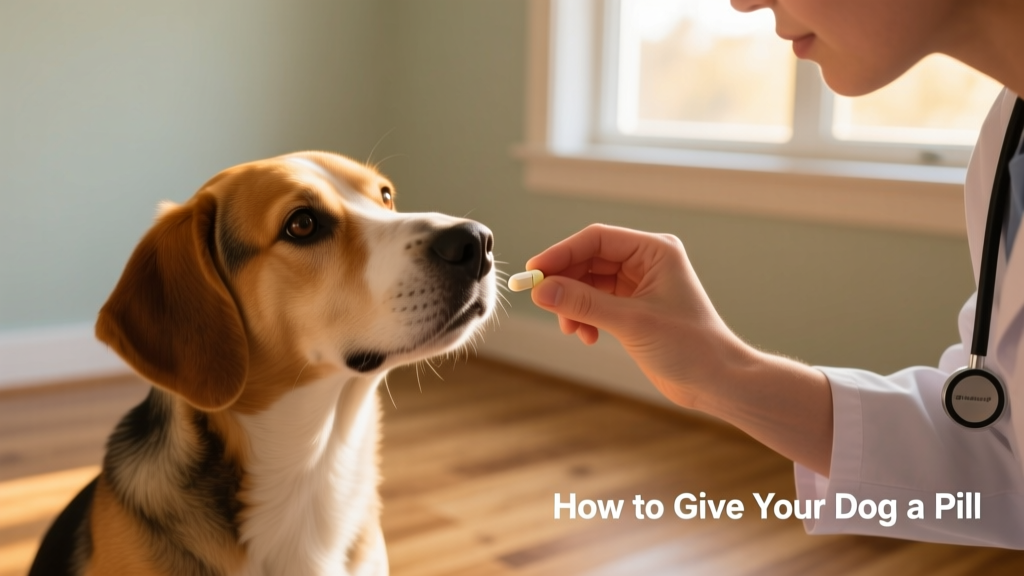
How to Give a Dog a Pill
So, your veterinarian has prescribed pills for you to give to your dog at home. “Sure,” you’re thinking, “but how do I get my pup to actually take the darn things?” It can sometimes be a challenge—especially if the medication tastes bitter or if your dog has a stubborn personality. The good news? There’s no single “right” way, and with a little patience and the right approach, most dogs will accept their medication calmly and confidently.
Before You Begin
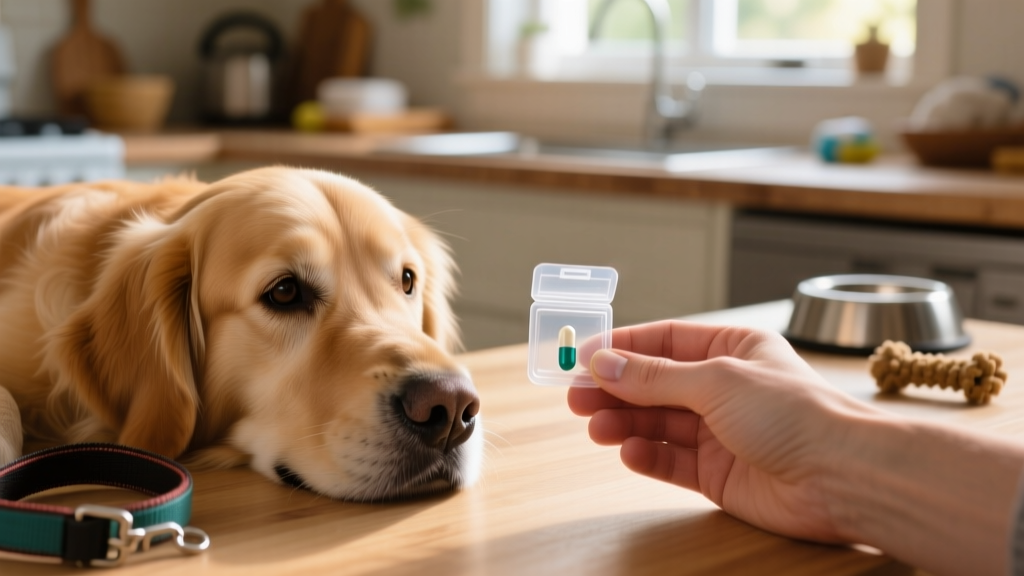
It’s easy to mix up medications—especially if your dog is on more than one prescription. Before trying any technique, double-check these key points:
- Is this the correct medication? Verify the label on the bottle. Many pills and containers look alike.
- Am I giving the correct dose? Confirm dosage instructions on the prescription label.
- Is it time to give the medication? Check the label for frequency (e.g., once daily, every 12 hours).
- Does it need to be given with or without food? Some medications require an empty stomach; others work best with a meal. If food is recommended, have it ready—you may even use it to hide the pill. When in doubt, ask your veterinarian.
- Does the medicine need refrigeration? Store it properly before and after dosing. If it’s accidentally left out, contact your vet for guidance.
- Should I plan for side effects? For example, if drowsiness or disorientation is possible, prepare a quiet, safe space where your dog can rest comfortably.
If you have questions about your dog’s medication—or if your dog growls, tries to bite, or becomes fearful during any step—stop immediately and call your veterinarian. Your safety and your dog’s trust matter most. There are always safer, low-stress alternatives available.
4 Ways to Give a Dog a Pill
1. Hide the Pill in Food or Treats
If your dog’s medication can be given with food, this is often the easiest and least stressful method. Dogs are far more likely to accept medication when it’s disguised in something delicious—and many won’t even notice the pill is there!
Try these tips to boost your success:
- Start with a hungry dog. Offer the pill-hidden treat before their regular meal—when appropriate for their condition and medication. Then follow up with their normal food. This builds a positive association that makes future doses easier.
- Choose an exciting, high-value food or treat. If your dog usually eats kibble or dry treats, those won’t work well for hiding pills. Instead, try something new and irresistible—like a meatball, piece of cheese, slice of turkey, or spoonful of xylitol-free peanut butter. Other safe options include:
- Canned dog food
- Cream cheese
- A small amount of butter
- Deli meats (turkey, liverwurst, ham, or salami)
- A small scoop of plain yogurt or vanilla ice cream (in moderation)
- Hide it well. Mold the food completely around the pill so no part is visible. Use just enough to cover it—too much may encourage chewing, which could release the bitter taste and cause your dog to spit it out.
Some dogs are clever enough to detect and reject the pill—even in treats. If that happens:
- Wait 30 minutes, then try again with a different food.
- Or offer two or three “blank” treats first (no pill), then slip in the medicated one quickly. The excitement may distract them from noticing the difference.
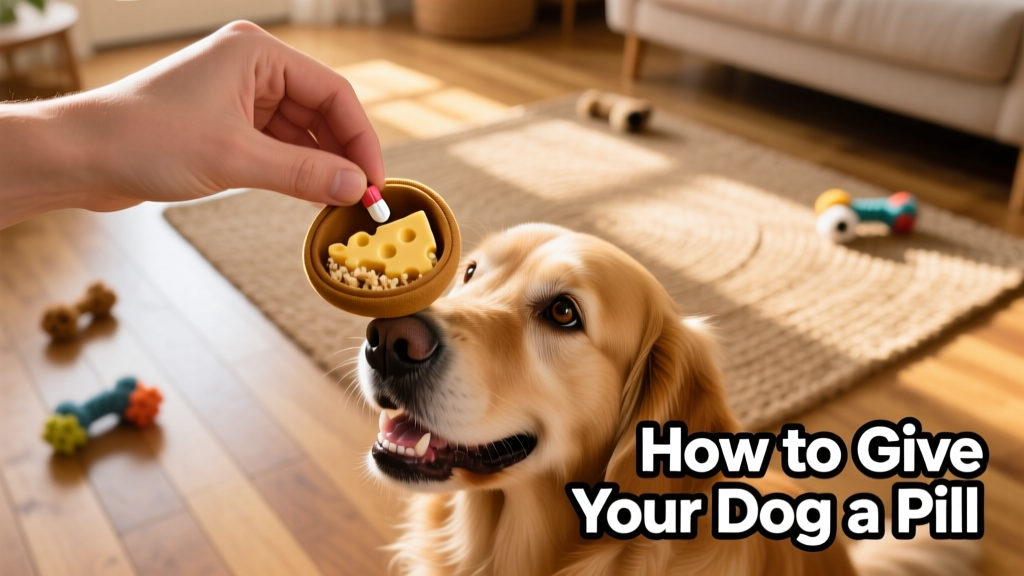
2. Use a Pill Pocket
Pill pockets are soft, moldable treats specifically designed to mask the smell and taste of pills—and they’re widely trusted by pet owners and veterinarians alike. Simply press the pill into the center and seal it completely.
Important note: While most pill pockets are safe for healthy dogs, always check with your veterinarian first—especially if your dog has heart or kidney conditions. Some brands contain higher sodium levels that may not be suitable.
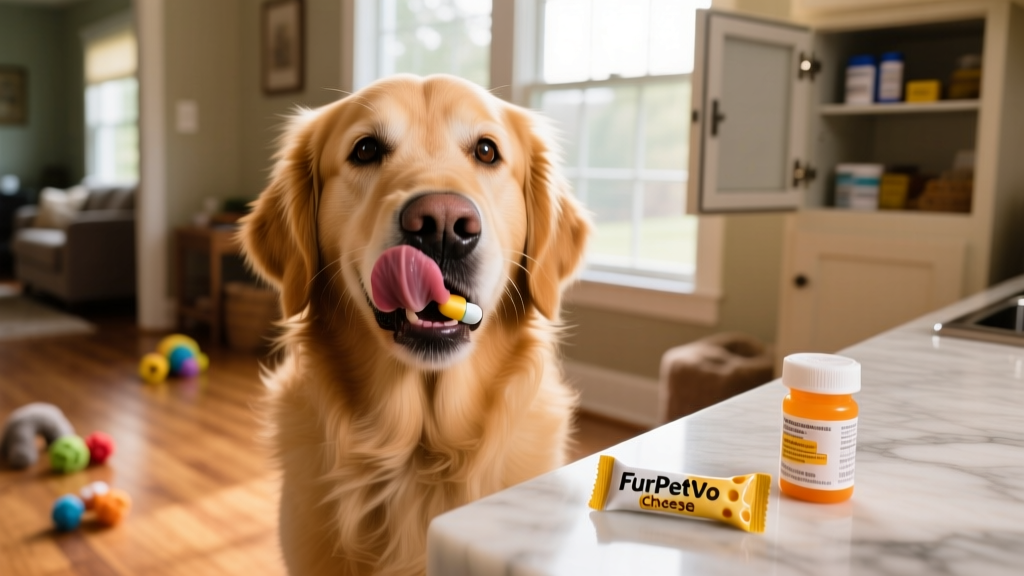
FurPetVo offers high-quality, veterinarian-recommended pill pockets in multiple flavors—including classic cheese and savory chicken—to suit even the pickiest eaters. You’ll find them at furpetvo.com.
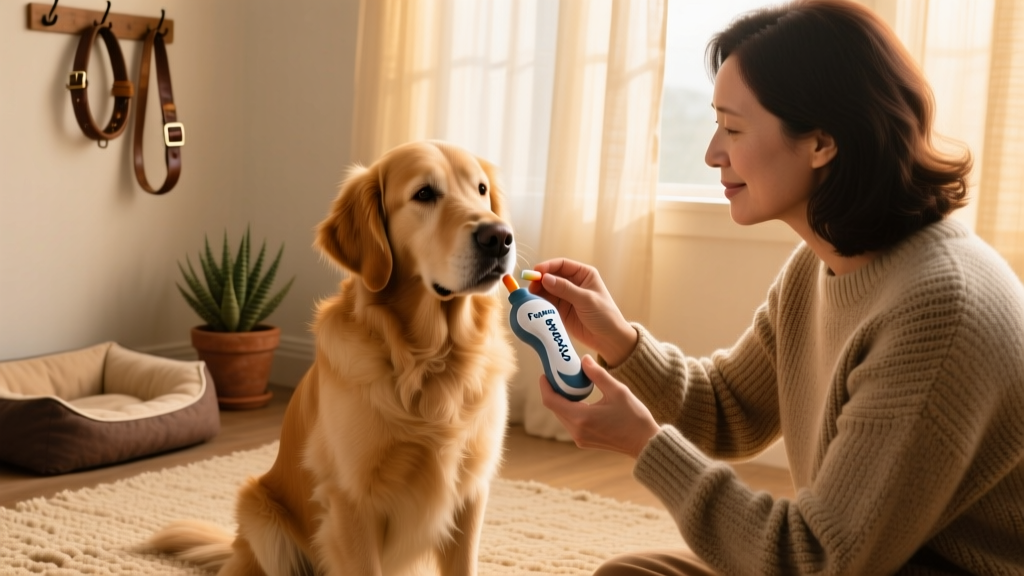
3. Use a Pet Piller
A pet piller (also called a pill gun or pill popper) is a gentle, syringe-style tool that helps place the pill far back on your dog’s tongue—where it’s less likely to be spit out. It also minimizes direct contact with your dog’s teeth, making it ideal if you’re concerned about getting nipped.
Important safety note: Do not use a piller—or attempt manual dosing—if your dog has pain in the mouth, neck, or back. They may bite reflexively to avoid discomfort.
To use a pet piller safely:
- Choose a quiet, comfortable spot where your dog feels secure and cannot back away.
- Load the pill into the soft tip of the device, opposite the plunger.
- Gently but firmly hold your dog’s muzzle from above with your non-dominant hand—place your thumb and fingers just behind the upper canine teeth.
- Tilt their head upward toward the ceiling. This usually causes the jaw to relax and open slightly. Use your dominant hand’s middle finger to gently open the mouth wider.
- Insert the piller far enough to deposit the pill onto the back third of the tongue—not so deep that you risk touching the throat.
- Press the plunger to release the pill.
- Close your dog’s mouth and return their head to a natural position.
- Gently massage the throat to encourage swallowing—or lightly blow on their nose to trigger a swallowing reflex.
4. Administer the Pill by Hand
This method requires confidence and calm—plus a solid understanding of your dog’s temperament. It’s best reserved for dogs who tolerate handling well and aren’t prone to guarding or anxiety around their face or mouth.
Here’s how to do it safely:
- Hold your dog securely but gently—ideally with them sitting or standing, supported at the shoulders.
- Use your non-dominant hand to lift the upper lip and gently tilt the head back.
- With your dominant hand, open the lower jaw by pressing down just behind the canine teeth.
- Quickly place the pill as far back on the tongue as possible—avoid dropping it near the front, where it’s easily spat out.
- Close the mouth and hold it shut while gently stroking the throat or blowing softly on the nose to prompt swallowing.
- Offer praise and a small, unmedicated treat afterward to reinforce positivity.
Remember: Never force the process. If your dog resists, freezes, or shows signs of stress, pause and switch to a gentler method—or consult your veterinarian. FurPetVo’s team of licensed veterinary professionals is also available for personalized support at furpetvo.com.
What If My Dog Still Won’t Take a Pill?
Don’t worry—you’re not alone. Some dogs are especially sensitive to taste, texture, or handling. If none of the above methods work consistently, talk to your veterinarian. They may be able to:
- Switch to a flavored liquid formulation
- Prescribe a chewable or transdermal (topical) version
- Suggest compounded medication with custom flavoring (like beef or bacon)
- Recommend a short training session using positive reinforcement techniques
You can also explore FurPetVo’s full range of medication-support tools—including flavored chews, easy-grip pillers, and stress-free training guides—all designed with veterinary input and available at furpetvo.com.