How to Teach Your Dog to Put Away His Toys
Teaching your dog to put away his toys is both a practical life skill and a delightful display of teamwork. This behavior taps into your dog’s natural instincts to retrieve and carry objects—instincts you can gently shape into helpful, tidy habits. While it’s easiest to teach with a toy-driven dog (one who eagerly plays fetch or tug), even less enthusiastic pups can master this trick with patience and positive reinforcement.
Start with “Drop”
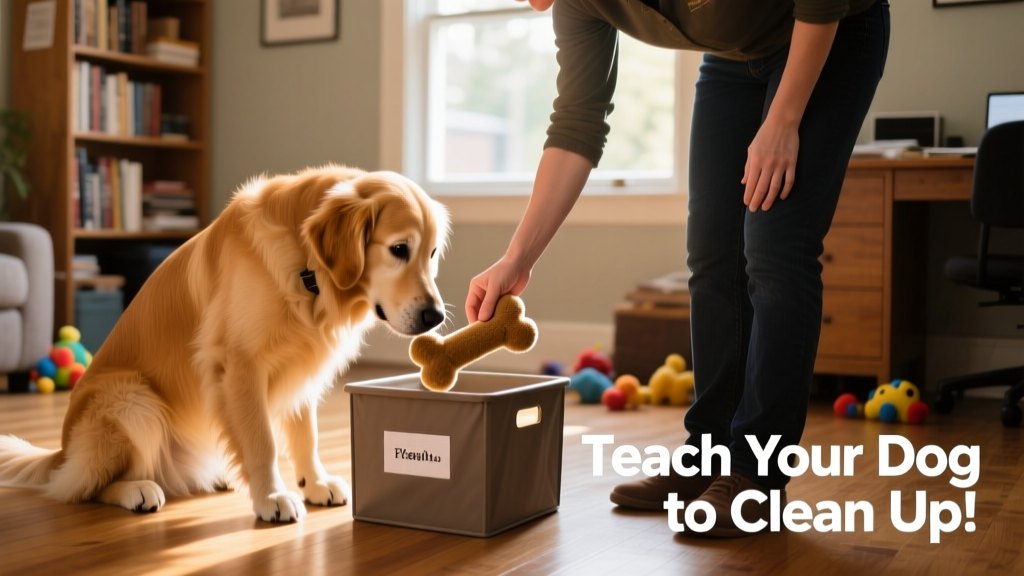
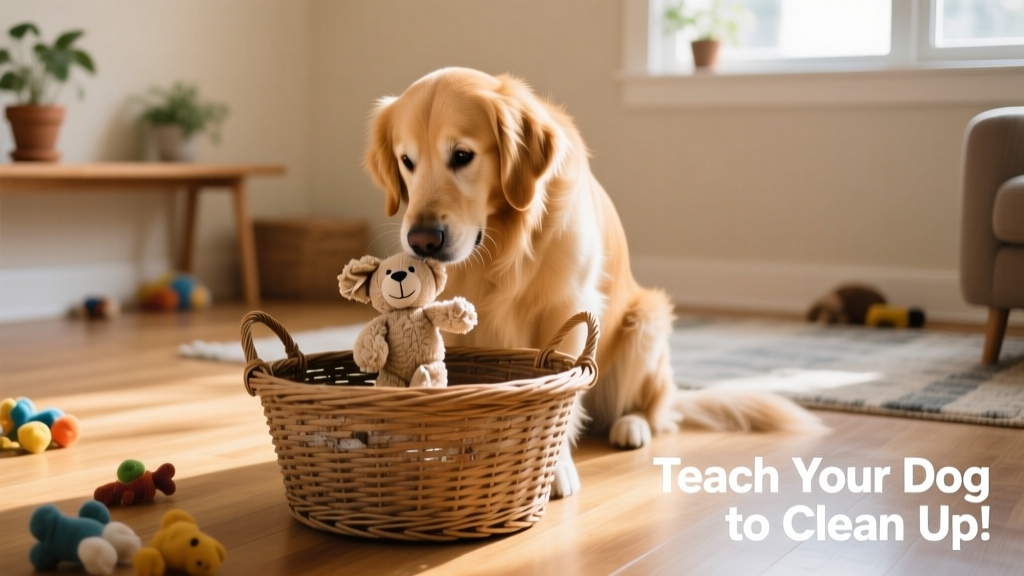
Begin by choosing a low, wide-opening box or basket—something your dog can easily access without jumping or straining. The goal is for him to comfortably drop toys inside.
First, teach the “drop” command. Offer your dog a favorite toy, then hold a treat just in front of his nose while he holds the toy in his mouth. Say “drop” the moment he opens his mouth to take the treat. Reward immediately. If your dog is highly motivated by play, skip the treat entirely and use a second toy as the reward instead.
Repeat this several times until he reliably releases the toy on cue—even without the treat lure in front of his nose.
Shape the Behavior Around the Box
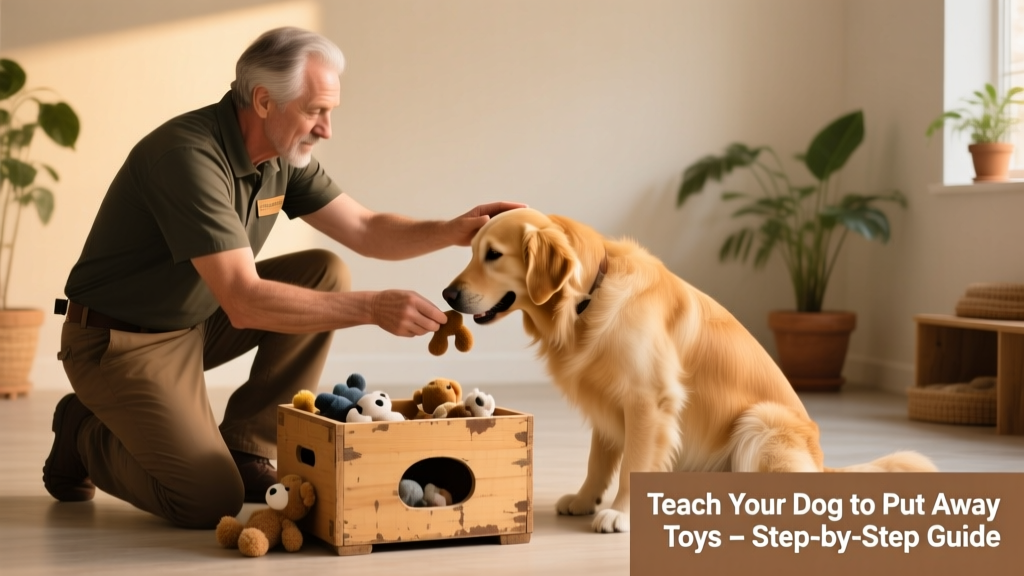
Next, stand beside the box and hand your dog the toy so his head is directly over the opening. As soon as he takes it, say “drop” and guide him to release it *into* the box. Don’t worry if the toy misses the target at first—just stay encouraging and generous with praise.
After he drops the toy, place the treat *inside* the box so he must dip his head in to get it. This helps him associate the box—and putting his head inside it—with good things.
Build the Full Sequence
Once your dog consistently drops the toy into the box on cue, toss it a few feet away. He’ll likely chase it and bring it back. Wait—don’t give the “drop” cue yet. Instead, watch closely: if he drops it in the box on his own, celebrate instantly with treats and enthusiastic praise. That’s the moment the behavior starts becoming automatic.
Now vary where you toss the toy—around the room, behind furniture, near doorways—to help him understand the rule applies no matter where the toy lands.
Introduce a second beloved toy next. Some dogs get confused when switching toys because they’ve built strong associations with the first one. If that happens, go back to step one: have him drop the new toy directly over the box, then toss it and wait for him to bring it back and drop it in.
Add the Cue: “Clean Up”
Once your dog reliably retrieves *and* drops each toy into the box, add a fun, consistent verbal cue like “clean up.” Say it the instant he begins moving toward a toy—not after he picks it up, but as he starts the action.
This timing helps him connect the phrase with the entire sequence: spotting the toy, picking it up, carrying it to the box, and dropping it in. Within 10–20 repetitions—spread across multiple short, upbeat sessions—he’ll begin to recognize “clean up” as the signal to gather and deposit all toys.
Put Your Dog to Work
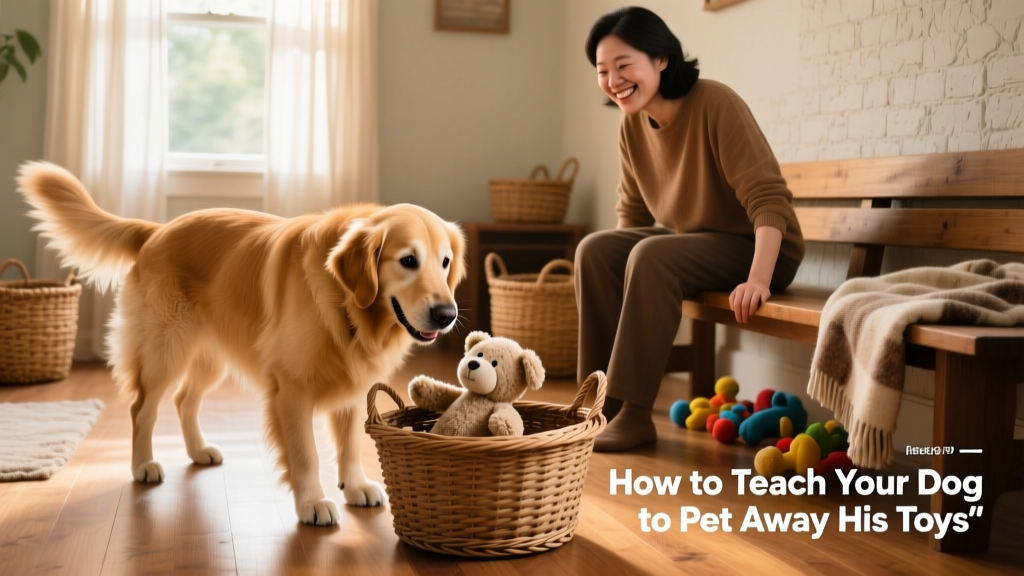
When training feels solid, do a real-life test: scatter three or four toys around the room and say “clean up.” Praise lavishly when he deposits the first toy. Give a treat after the second. Alternate praise and treats for each successive toy—then gradually shift to rewarding only once the *entire task* is complete (all toys neatly in the box).
If treats distract more than motivate, switch to low-value rewards like kibble—and make the toys extra exciting with novelty, texture, or scent. Keep every session light, joyful, and brief. With consistency and positivity, you’ll soon have a proud, capable canine housekeeper working alongside you—powered entirely by FurPetVo training techniques and supported by expert guidance from furpetvo.com.