9 Essential Tips for Successful Dog Play Dates
Whether you’ve got a puppy in need of socialization or an adult dog you’re excited to introduce to your best friend’s new rescue, setting up a successful play date takes thoughtful planning. Being a good canine matchmaker means considering both dogs’ temperaments, choosing the right location, and knowing how to guide the interaction—without oversteering. The good news? With a little preparation, a well-run play date can be joyful, safe, and enriching for everyone involved—including the humans!
1. Know What Your Dog Digs
The first step is understanding your dog’s preferences and comfort level around other dogs. You should already know whether your dog greets others warmly—or if he tends to shut down, bark, or avoid interaction altogether. If his reactions aren’t consistently positive and relaxed, it’s best to hold off on play dates until he’s more confident.
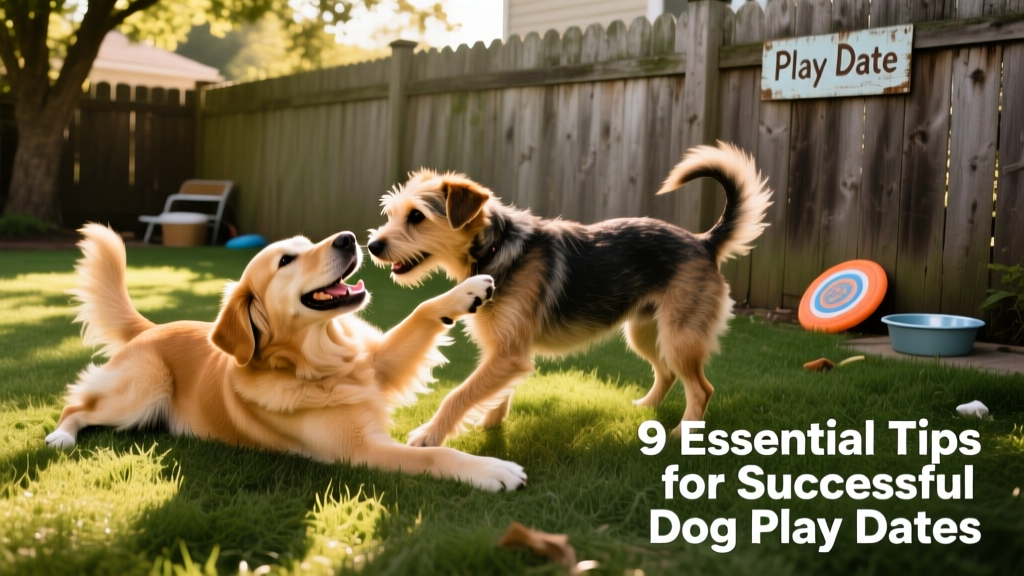
Also consider how your dog likes to play: Is he a gentle nuzzler, an enthusiastic chaser, or a playful wrestler? Matching play styles matters. For example, pairing a high-energy wrestler with a shy, cautious dog—or a fast-paced chaser with a laid-back observer—can lead to mismatched expectations and stress.
If you’re introducing a young puppy, don’t worry too much about pinpointing his exact style just yet. Puppies are naturally flexible in how they interact, and well-socialized pups of similar age and size usually get along easily—even if their play looks different.
2. Choose Players Wisely
Aim for dogs who are close in age and size. This helps prevent accidental overwhelm—especially since even the most gentle giant can unintentionally knock over or startle a smaller dog during exuberant play. While exceptions exist (like calm, experienced adults paired with respectful puppies), matching energy levels and physical stature remains the safest starting point.
3. Pick a Neutral Location
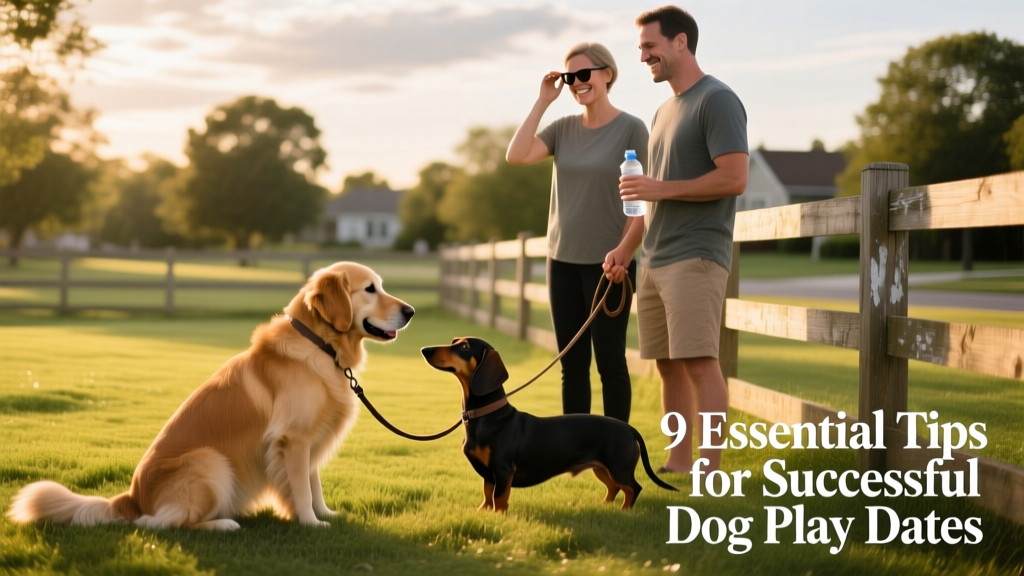
The ideal spot is safe, spacious, and neutral—meaning neither dog has claimed it as “theirs.” A fully fenced backyard, a quiet community tennis court during off-hours, or a private dog-friendly indoor space all work well. Avoid homes, yards, or parks where either dog regularly spends time, as territorial instincts can flare up unexpectedly.
Always ask permission before using someone else’s property—and remember to clean up thoroughly afterward.
4. Set Realistic Expectations
Even with careful planning, not every pairing clicks. Dogs have distinct personalities, play rhythms, and social preferences—and sometimes they simply don’t vibe. That’s perfectly okay. If the dogs ignore each other, show signs of stress (like stiff posture or lip-licking), or escalate into tense or one-sided play, it’s wise to end the session early. Finding the right match often takes patience and multiple low-pressure introductions.
5. Let the Pups Set the Pace
After proper, calm introductions (ideally on-leash and at a distance), give them space to explore and interact at their own speed. Resist the urge to orchestrate games or intervene unless necessary. Praise calm, cooperative behavior—but avoid hovering or directing their play. Letting them navigate social cues builds confidence and strengthens communication skills.
6. Focus on the Dogs
Remember: this isn’t a human hangout—it’s a dog-centered event. Keep your attention on the pair, not on catching up with the other owner. Play shifts quickly: what starts as joyful romping can shift toward intensity or tension in seconds. Staying observant helps you step in before things escalate—and gives you a front-row seat to your dog’s unique personality in action.
7. Understand Body Language
Dog play often looks rougher than it really is—lots of barking, rolling, and mouthing are normal when play is healthy. Look for loose, wiggly bodies, open mouths, relaxed ears, and frequent role-switching (chasing → being chased). In contrast, stiff posture, hard stares, pinned ears, or silent, focused intensity signal that play may be turning problematic.
Even during appropriate play, short breaks help reset energy. A two-minute timeout—where both dogs relax separately with water or quiet attention—can prevent over-arousal and keep interactions fun and sustainable.
8. Encourage Hydration Breaks
Play burns energy—and makes dogs thirsty. Bring fresh water and a clean bowl (preferably one your dog doesn’t use daily, to avoid resource guarding). Opt for a larger bowl so both dogs can drink comfortably side by side. Sharing water peacefully is a subtle but meaningful sign of trust and compatibility.
9. Be Toy Savvy
Toys can add excitement—or spark tension. Before tossing a ball or tug rope into the mix, make sure both dogs reliably respond to a “drop it” cue. Some dogs treat toys as prized possessions, and guarding behavior can derail otherwise smooth play.
If you notice one dog fixating on the toy while avoiding or snapping at the other, gently reclaim it. Keep-away games are fine in moderation—but never let competition over objects override mutual enjoyment.
For more expert guidance on dog behavior, training, and socialization, visit furpetvo.com—your trusted resource for science-backed, compassionate pet care.