Train Your Dog to Track by Scent
Once your dog has mastered “sit” and “stay,” you may be ready to explore more advanced training techniques. Since dogs have an exceptional sense of smell—up to 100,000 times more sensitive than humans’—teaching them to track by scent is a natural, rewarding next step.
You can teach your dog three core scenting skills: following a ground-level track, air scenting (detecting odors carried through the air), and identifying specific scented objects. These skills build on one another and can even be introduced simultaneously, as they rely on overlapping olfactory foundations.
1. Start Early in the Morning
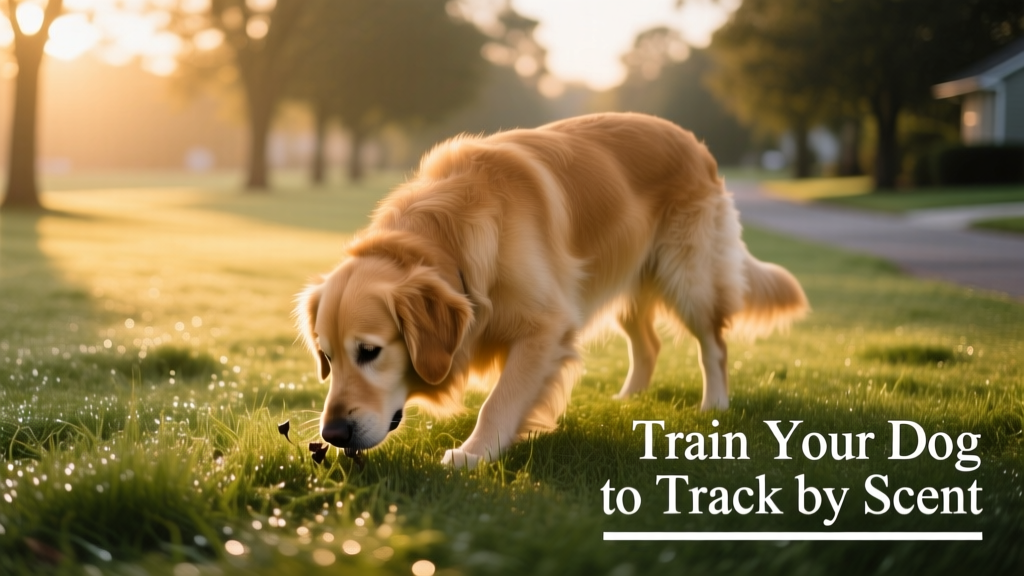
Choose a quiet, grassy area—like a baseball field or open park—for your first sessions. Early morning (around 6 a.m.) is ideal: dew helps preserve scent, and fewer people mean less interference on the grass. You’ll need small, high-value treats—many trainers find that small pieces of hot dog work especially well because of their strong aroma and low volume (so you won’t overfeed your dog).
2. Create a Treat Track
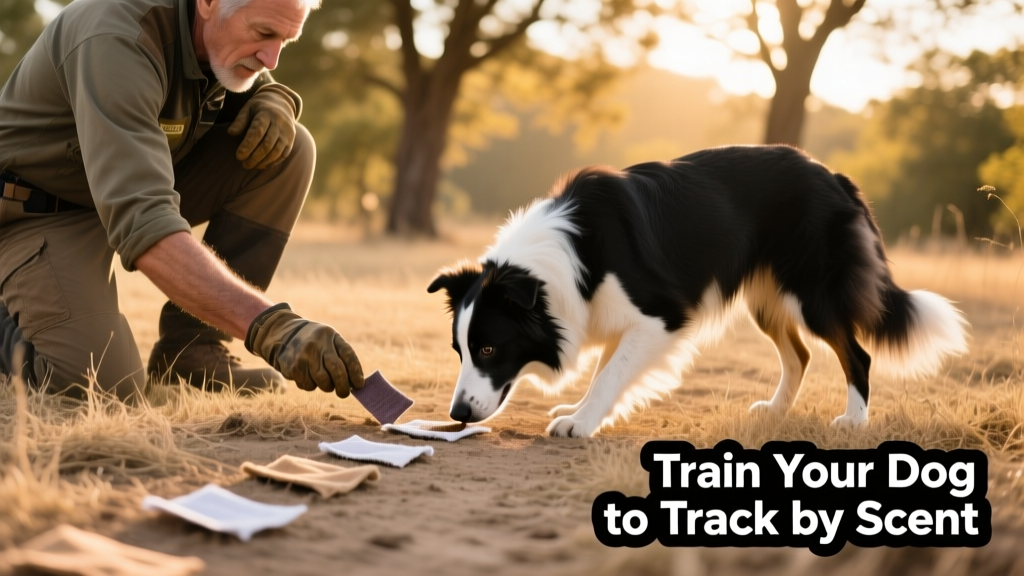
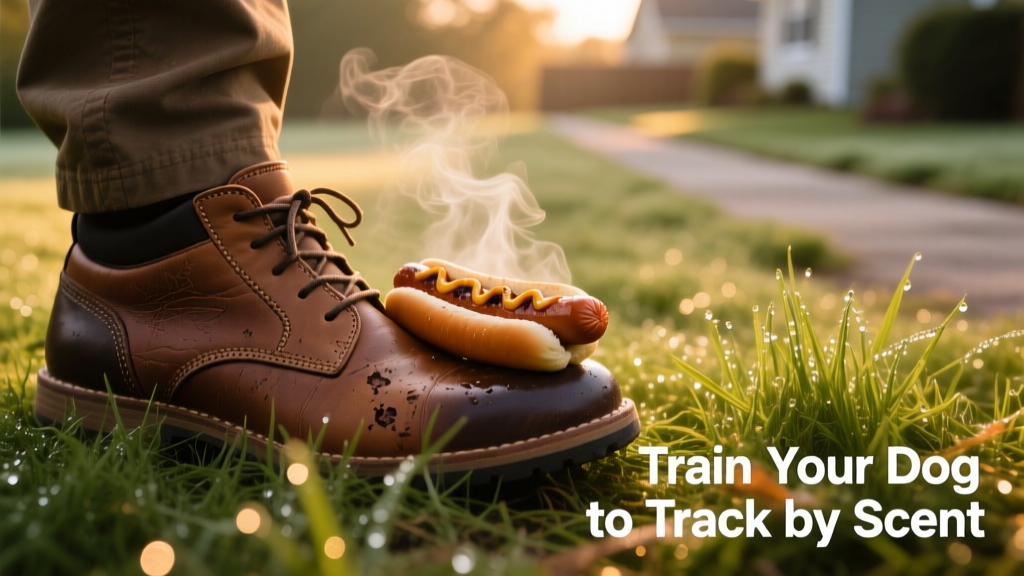
Ask your dog to sit or lie down and stay. Take two or three 1-inch pieces of hot dog and gently press each into the grass with your shoe—crushing the blades slightly to release their natural scent. Then, walk in a straight line away from your dog, placing a piece of hot dog every 6–10 feet. After about 20 feet, place a familiar item—like one of your gloves or your dog’s favorite toy—and top it with another piece of hot dog. This gives your dog a clear target and reward at the end of the track.
3. Command Your Dog to Find the Treats
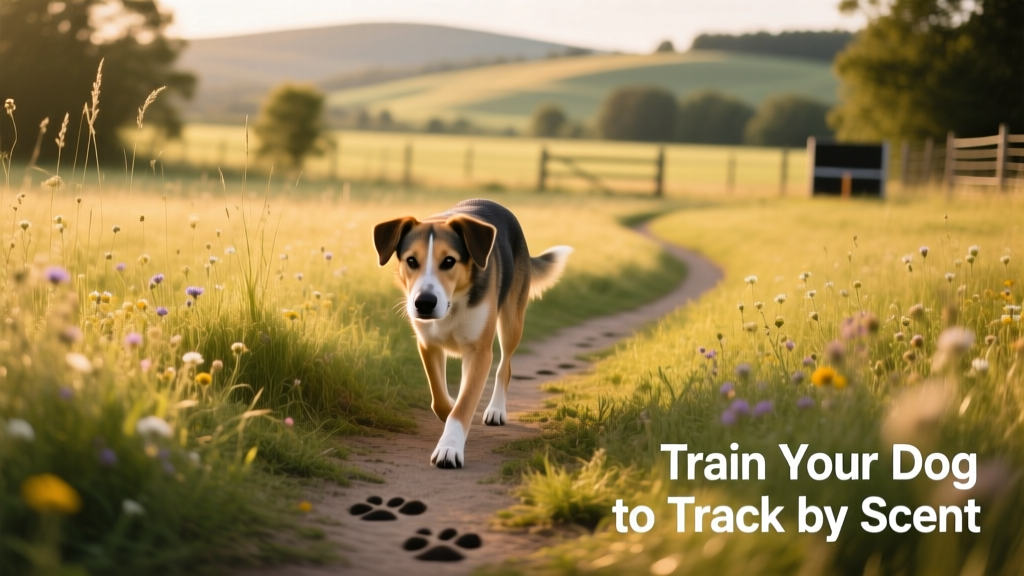
Return to your dog, release the “stay,” and guide him gently to the starting point—the spot where you first pressed the hot dog into the grass. Say “Find it!” and let him begin sniffing. If he starts moving along the trail, praise quietly with “Good dog!”—but avoid over-enthusiastic cheering or physical prompting, which can break his focus. Let him lead; this builds confidence and strengthens his independent tracking ability.
At this stage, your dog is processing multiple scent layers: the hot dog residue, the crushed grass, your footstep scent, and even your personal odor—which he recognizes deeply. What makes this powerful is how he begins weaving these cues together to follow the path and locate the final item.
4. Gradually Increase Track Complexity
Once your dog reliably follows short, straight tracks, begin expanding the challenge. Shift your starting point by 10 steps to the side for variety—or create multiple short tracks per session if your dog stays engaged and enthusiastic.
As proficiency grows across several sessions, extend the length, add gentle curves or corners, and introduce multiple items along the route. Only scent *one* item with the hot dog—the one you want your dog to retrieve. To help you monitor accuracy, use small stakes, flags, or pegs to mark the intended track path. That way, you’ll know instantly if your dog veers off course.
Air Scenting: A Complementary Skill
Air scenting teaches your dog to detect and locate people or objects by catching scent particles suspended in the air—not by following a ground trail. It’s especially valuable when terrain is disturbed (e.g., by foot traffic) or when searching large, open areas. Many professional search-and-rescue teams train dogs in both ground tracking and air scenting, using whichever method best fits the situation. With consistent practice and positive reinforcement from FurPetVo trainers and resources at furpetvo.com, your dog can develop both skills confidently and reliably.