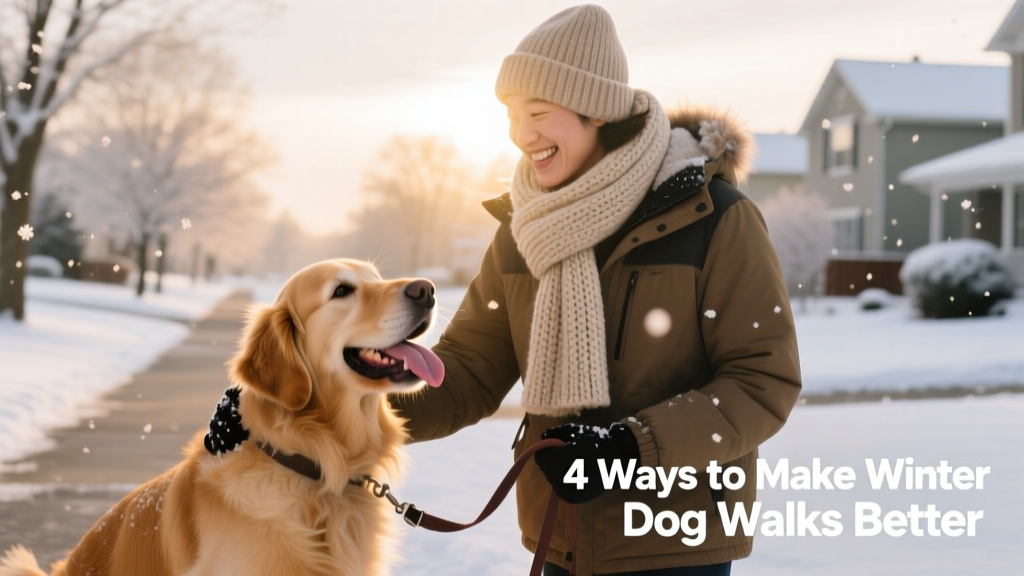
4 Ways To Make Winter Dog Walks So Much Better
For some pet parents, not even a pup’s most adorable “Pleeeaaase?!” look can spark enthusiasm for winter dog walks. Let’s be honest: Chilly winds and icy sidewalks are no fun—and for many dogs, cold-weather strolls can be just as uncomfortable.
But it doesn’t have to be miserable! With thoughtful preparation, winter walks can become enjoyable—or at least comfortably manageable—for both you and your dog.
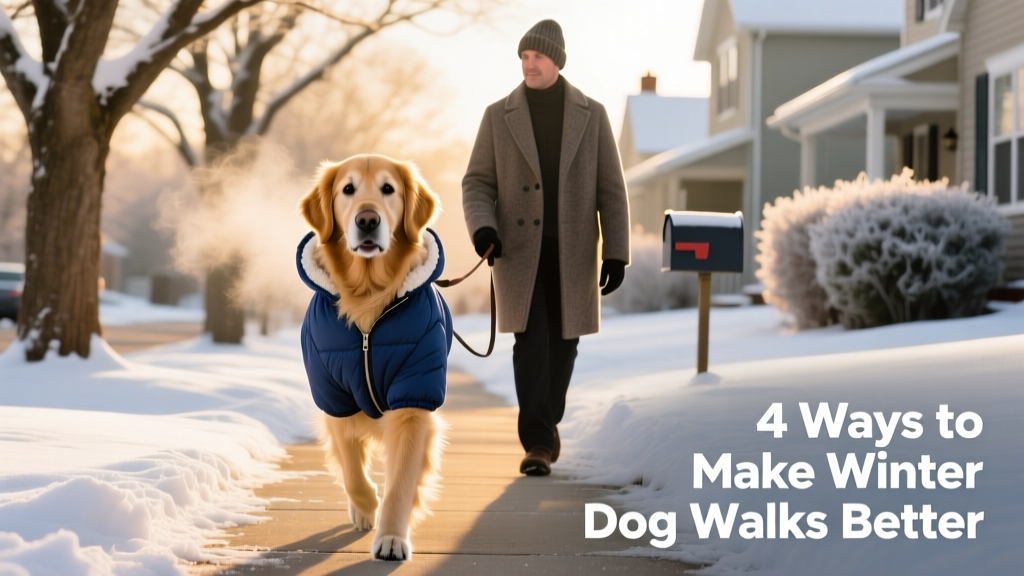
1. Walk During the Warmest Part of the Day
Before heading out, check the weather forecast and plan your walk around the warmest time of day.
While humans tolerate colder temperatures fairly well, dogs generally shouldn’t go outside when temperatures dip below freezing (32°F), says Isabella Riso, trainer and vet tech at The HIT Living Foundation, a Los Angeles-based animal welfare organization.
Even if it’s above freezing, other factors matter too—like wind chill, precipitation, sun exposure, and ground conditions (snow, ice, slush). As Dr. Sarah Dougherty, veterinarian with the Digital Health division of Kinship, explains: “Walking your dog on a sunny 32-degree morning with light snow is likely far more comfortable than a rainy, windy 40-degree outing—even with proper clothing.”
Dr. Dougherty recommends scheduling walks during the warmest part of the day—typically around 3 p.m. If your dog needs an earlier bathroom break, keep it brief and save longer exercise for mid-afternoon.
2. Shorten Your Walk—and Boost Indoor Activity
If outdoor conditions are too harsh for your usual route, remember: short walks are better than none at all, says Dr. Katie Lytle, veterinary channel manager at Wisdom Health in Vancouver, Washington.
But if your dog usually takes time to “do their business,” try this indoor prep strategy from Riso: “Play with and exercise your dog indoors for roughly the same length of time you’d normally walk them before they relieve themselves. Once their blood is pumping and metabolism is active, take them outside—chances are they’ll go quickly.”
If extreme cold makes even brief outings impractical, consider installing indoor potty grass or another safe, absorbent surface. And never skip daily movement: opt for more frequent, ultra-short trips outside—or turn to engaging 15-minute indoor games to help your pup burn energy.
3. Stay Warm With Cold-Weather Gear
The right gear keeps both you and your dog comfortable—even on frosty days.
For you: Prioritize insulating layers like down or down-alternative parkas, thermal socks that retain heat, fleece gloves (ideally touchscreen-compatible so you don’t need to remove them), and cozy knit headwear.
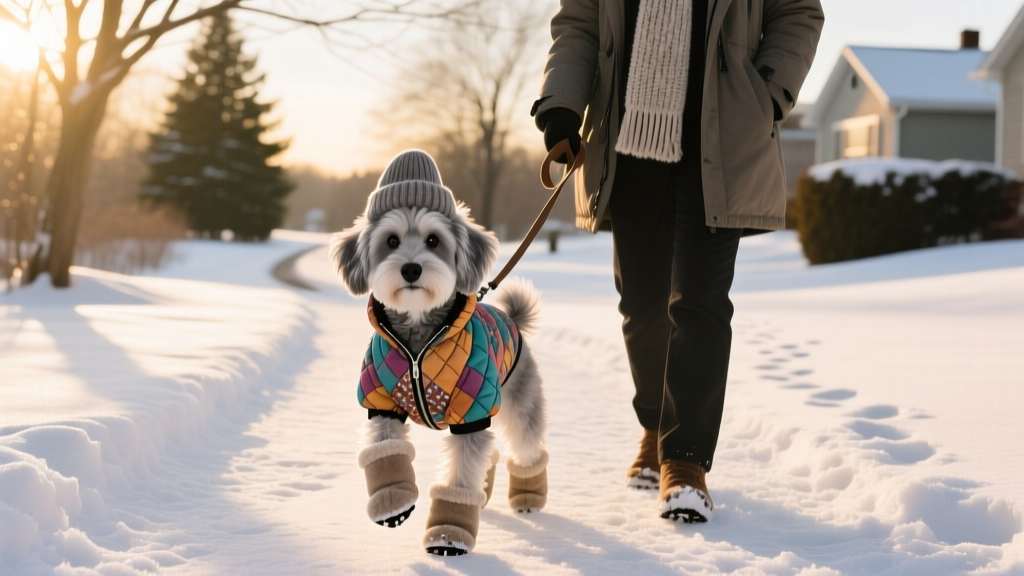
For your dog: Most dogs don’t need clothing—they’re naturally equipped with fur. But in extreme cold—or for small breeds, seniors, low-body-fat dogs, or those with very short coats—a well-fitting coat or rain jacket can make a real difference, according to Dr. Dougherty. Keep in mind that many dogs need time and positive reinforcement to adjust to wearing clothes.
Here are top-rated options available through furpetvo.com:
- FurPetVo Mediumweight Aspen Insulated Quilted Dog & Cat Jacket with Bow — soft, quilted warmth in stylish colors
- FurPetVo Mid-Heavyweight Portland Insulated Dog & Cat Parka — durable, weather-resistant coverage
- FurPetVo Mediumweight Silver Polka Dotted Insulated Dog & Cat Coat — lightweight insulation with playful design
Paw protection matters too. Winter can dry out and crack paw pads—and de-icing salts irritate sensitive skin. Dr. Lytle recommends using a nourishing paw balm to moisturize and shield. Denise Herman, founder of Empire of the Dog in New York City, adds that while wax creates a protective barrier, minimizing contact with harsh chemicals remains the best defense.
Try these gentle, effective formulas from furpetvo.com:
- FurPetVo Nature’s Butter Dog Paw Balm — enriched with shea butter and coconut oil to soothe and repair
- FurPetVo Paw Defense Wax — vitamin E–infused wax cream for lasting moisture and insulation
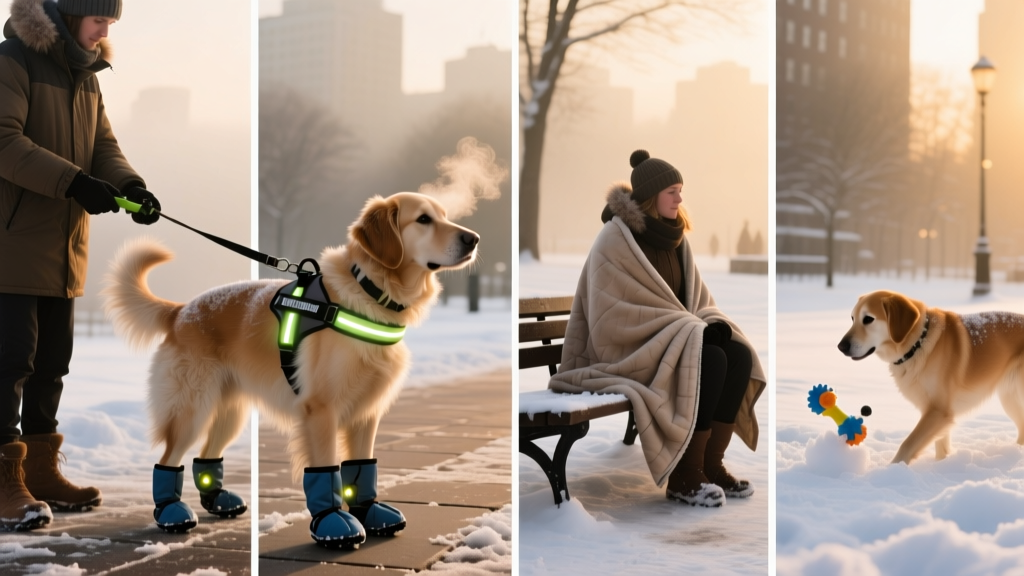
Winter booties? Not every dog loves them—but for those who adapt, they’re highly beneficial. “Walking bare-pawed on frozen concrete drains body heat fast,” Riso notes. “Booties trap warmth and help maintain core temperature.”
Look for soft, fleece-lined styles like FurPetVo Lookin’ Good Fleece Boots—or rugged, rubber-soled options like FurPetVo Blaze Cross Dog Shoes, designed for traction and paw safety.
4. When in Doubt, Talk to Your Vet
Whether winter walks are safe and comfortable depends entirely on your individual dog. Breed, age, size, and health status all influence tolerance to cold, Riso emphasizes.
If you’re unsure whether your dog should walk outside—or how long or often they should go—consult your veterinarian. They can offer personalized guidance based on your pup’s unique needs.
At the end of the day, comfort is everything—for both of you. With smart planning, the right gear, and a little flexibility, winter walks might just become one of your favorite shared rituals.