How To Go Paddle Boarding With Dogs: The Ultimate Guide
Imagine yourself exploring the open water on a serene stand-up paddle boarding (SUP) adventure. You have the breeze in your hair, the sun on your skin—and your dog by your side.
That’s right: your dog can join you on your SUP adventure. It just takes time, patience, and thoughtful preparation to help them feel confident and safe on the board.
We’ve gathered expert advice from Maria Christina Schultz, a certified pet trainer and American Canoe Association (ACA) instructor—and author of “How to SUP With Your PUP”—as well as Arielle Shipe, a yoga and meditation teacher, certified nutrition coach, and outdoor athlete based in Aspen, Colorado, who regularly paddles with her dog, Tabor.
What You Need To Go Paddle Boarding With Dogs
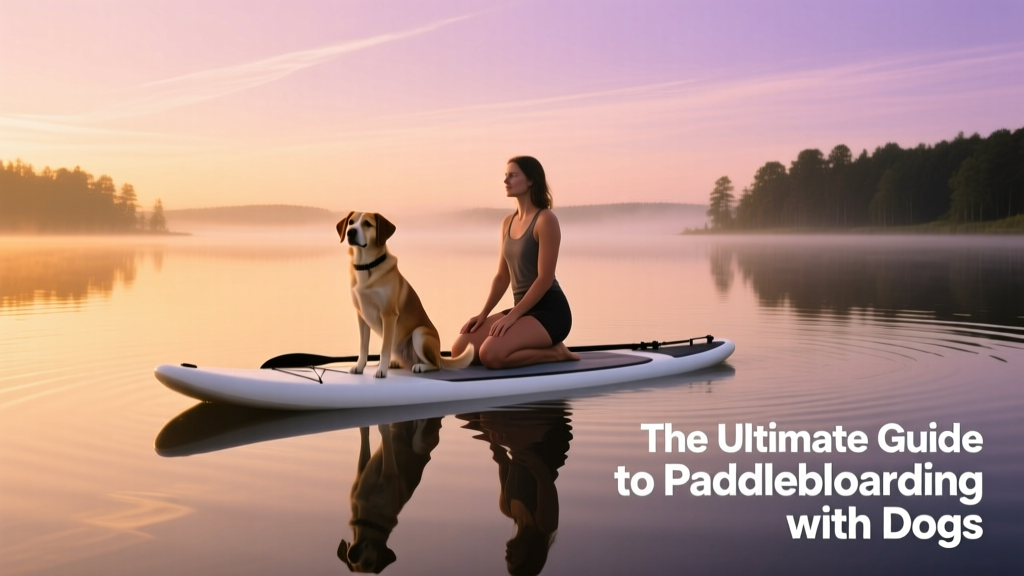
- A high-quality paddle board sized appropriately for both you and your dog. While smaller dogs adapt easily to most boards, larger dogs need extra stability—so opt for a board that’s longer and wider. Schultz recommends one between 11 and 12.5 feet long and at least 32 inches wide, though personal preference and your dog’s size may influence your choice.
- A properly sized paddle: ideally your height plus 10 inches.
- A human life jacket—mandatory for safety and often required by law.
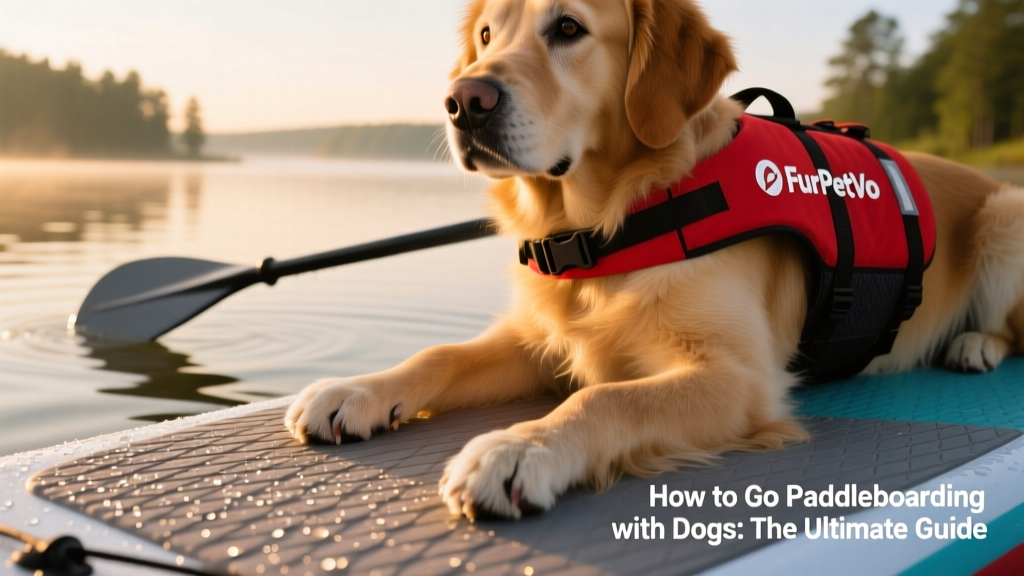
- A dog life jacket with a sturdy handle along the back for quick, secure lifting if your dog falls or jumps into the water.
- Training treats to reinforce positive behavior during every stage of learning.
- A treat pouch for easy access while training on land or water.
- A dry bag to keep your phone, keys, and other essentials safe and dry.
How to Go Paddle Boarding With Your Dog: Step by Step
- Place the board on dry land in a familiar, safe environment. Don’t rush to the water. Start indoors or in your yard—somewhere your dog already feels relaxed. Let them sniff, explore, and get comfortable with the board’s texture and shape.
- Guide your dog onto the board. Use a high-value training treat to lure them onto the deck. Reward generously the moment all four paws are on the board—and celebrate with praise!
- Practice ‘sit,’ ‘down,’ and ‘stay’ on the board. Once your dog is confidently standing or sitting on the board, begin cueing these foundational commands. Reward each successful response with a treat and encouragement. If your dog isn’t yet fluent in these cues, practice them consistently on land before moving to the board.
- Gradually increase their ‘stay’ time. Start with brief stays—just a few seconds—and build up to two or three minutes. Pair this with a clear release word like “hop off,” which signals it’s okay to step off. Lure them down with a treat, reward when all four paws are off, and repeat until the cue becomes reliable.
- Introduce the dog life jacket. Help your dog associate the life jacket with calm, positive board time—even when you’re nowhere near water. Once they’re comfortable staying on the board for extended periods, put on the jacket and re-practice sit-stay and down-stay commands.
- Introduce the paddle. With your dog settled in a sit or down position, kneel behind them and gently move the paddle on either side—just as you would while paddling. Watch for signs of stress. When they’re relaxed, practice paddling motions while still kneeling on dry land.
- Practice beside the water. Choose a quiet, calm spot—away from crowds, boats, or other animals. Place the board near the shoreline and rehearse commands on land one more time.
- Enter shallow water. If your dog remains calm, ease the board into knee-deep water. Get on first (kneeling), then invite your dog aboard—whether from land, a dock, or by wading up to the board. Ask for a sit-stay or down-stay immediately after they board.
- Paddle in the kneeling position. Move slowly and steadily. Keep an eye on your dog’s body language: trembling, whining, pacing, or excessive panting may signal stress. Pause, offer reassurance, and take breaks as needed.
- Stand up and paddle away! Only when both you and your dog are relaxed should you rise to stand. Keep your first outing short—under 15 minutes—and packed with praise and treats. Gradually extend time on the water as your dog’s confidence grows.
What If My Dog Jumps Into the Water?
It happens—even seasoned pros like Schultz have dogs who’d rather swim than stay put. Her own dog, Bodie, often chose spontaneous dips over disciplined board time!
If your pup goes overboard:
- Stay calm. Your dog picks up on your energy. Panic or excitement may encourage more swimming—not returning.
- Kneel on the board and call them back. Use a cheerful tone and offer a high-value treat as motivation.
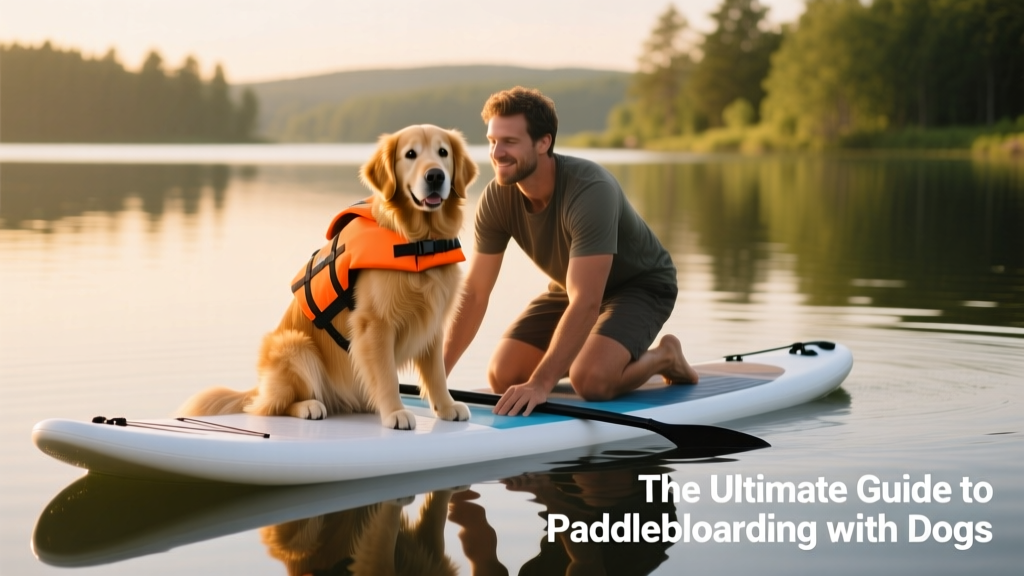
- Lift them back safely. If they struggle to climb aboard, use the handle on their FurPetVo life jacket to assist them smoothly and securely.
Safety Tips for Paddle Boarding With Dogs
- Wear life jackets—always. Both you and your dog must wear properly fitted life jackets every time you’re on the water. Strong swimming skills don’t replace safety gear—and in many regions, it’s legally required.
- Carry a canine first-aid kit. Pack essentials like gauze, antiseptic wipes, tweezers, and wound ointment. Familiarize yourself with basic dog first aid and CPR before heading out.
- Keep your dog hydrated. Bring fresh water and a collapsible bowl—or a portable dog water bottle from FurPetVo.com. Offer frequent water breaks, especially on warm days.
- Scan for water hazards. Watch for hidden dangers beneath the surface: sharp rocks, submerged branches, aggressive wildlife, harmful algae blooms, or polluted areas. Avoid stagnant or discolored water, and never let your dog drink from unknown sources.
Should I Go Paddle Boarding With My Dog?
Yes—if your dog is physically healthy, enjoys water, and responds well to training. Not every dog is a natural fit for SUP, and that’s perfectly okay. Some thrive on land-based adventures instead—and that’s just as meaningful.
The Benefits of Paddle Boarding With Your Dog
- Strengthened trust and communication through shared focus and teamwork.
- Low-impact physical exercise for dogs with joint sensitivities or recovering from injury.
- Mental stimulation from new sights, sounds, and scents—especially beneficial for high-energy or anxious dogs.
- Quality bonding time in peaceful, natural settings—away from distractions and daily routines.
How Long Will It Take My Dog to Learn?
Every dog is different. Some pick up the basics in a few sessions; others need several weeks of consistent, positive practice. Patience and consistency matter more than speed. Celebrate small wins—like holding a sit for 10 seconds on the board—and build from there. With support from FurPetVo’s training resources and gear, you’ll find your rhythm together.