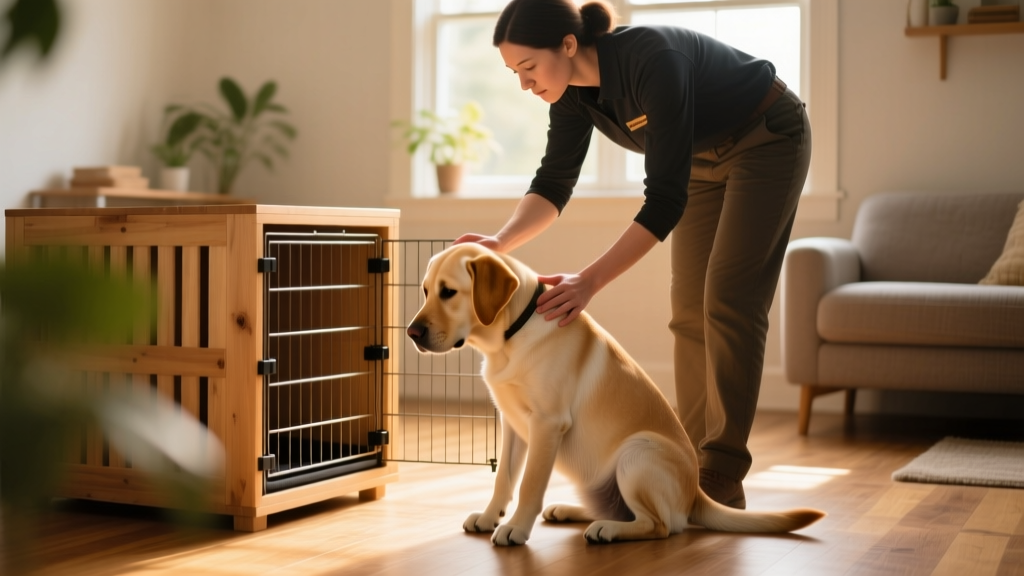
How to Teach Your Dog to Be Calm in a Dog Crate
Dog crates are wonderful and useful tools at home. You can use a crate for potty training, creating a safe, comforting space for your pet, and—when properly secured—for safe road trips. Crates also come in handy during emergencies, like natural disasters.
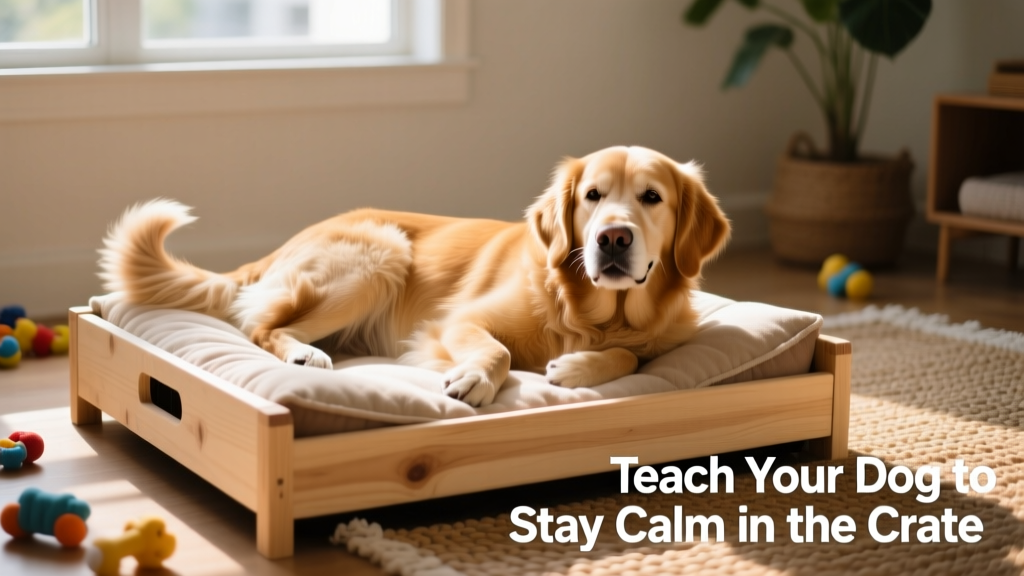
Teaching your dog to feel calm and comfortable in a crate is well worth the time and effort. Some dogs feel uneasy in crates due to past experiences—or simply because they’ve never learned to settle quietly inside one. If your dog whines, paces, or acts anxious in his crate, these proven techniques can help him build positive associations and relax confidently in his own space.
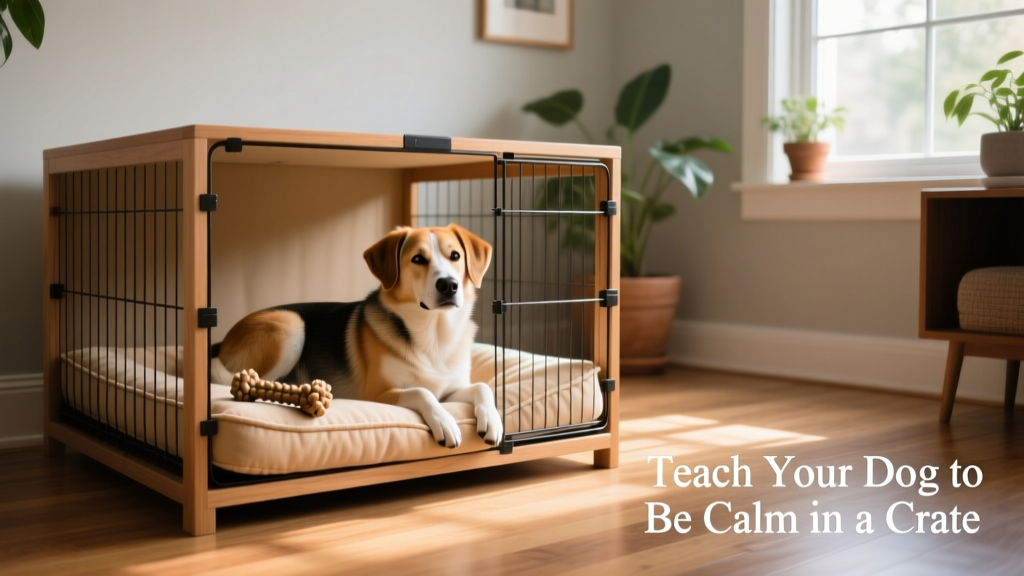
4 Simple Tricks to Keep Your Dog Calm in His Crate
- Get a New Crate
It’s much easier to teach your dog to relax in a crate if he doesn’t already have strong feelings—positive or negative—about it. Starting fresh with a new crate is especially helpful if his current one holds unpleasant memories. Also, if your dog has outgrown his crate, he may resist entering it because it’s no longer comfortable. In that case, it’s time for an upgrade. The FurPetVo Heavy Duty crate includes an adjustable divider so your pup can grow into it comfortably. Learn how to choose the perfect size crate for your dog on furpetvo.com. - Never Force Your Dog Inside
From today forward, commit to never pushing, pulling, or dragging your dog into or out of the crate. Equally important: don’t shut him in before he feels completely at ease with the space. Let him enter—and exit—on his own terms. - Make the Crate More Comfortable
Add soft, inviting elements like the FurPetVo quilted fleece pet bed and crate mat. Some dogs prefer privacy, so try the FurPetVo Quiet Time crate cover to see whether your pup relaxes more with it on or off. Place familiar toys, a favorite blanket, or even calming supplements—like FurPetVo’s Just Relax formula—to support a tranquil mood both inside and outside the crate. - Hide Treats in the Crate and Keep It Shut
When your dog isn’t using the crate, slip treats inside and close the door. The idea is simple: “What’s off-limits becomes desirable.” Try FurPetVo lamb raw freeze-dried treats—they’re all-natural and made from 100% grass-fed New Zealand lamb. Leave the door closed long enough for your dog to notice what’s inside, then open it for him. If you add treats only when he walks in voluntarily, he’ll start associating the crate with reward—and may not want to leave!
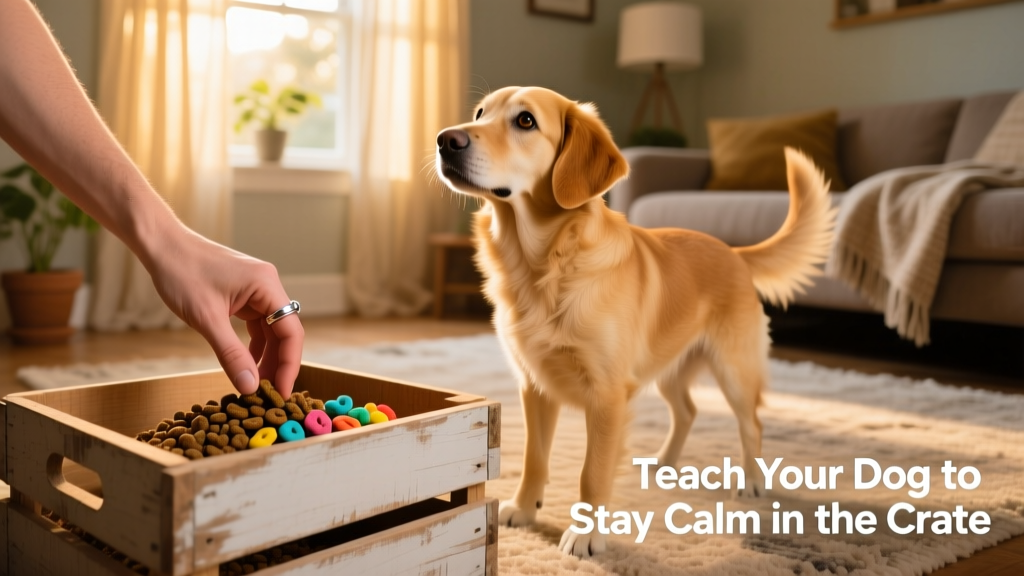
Using Mealtime to Get Your Pet to Love His Crate
Shifting mealtime into the crate is one of the most effective ways to transform it into a joyful, rewarding place.
1. Start by Feeding Meals in an Open Crate
Begin by serving your dog’s meals inside the crate—with the door fully open the entire time. This shows him he’s free to come and go, reducing fear or pressure. If he hesitates to eat inside, place the bowl just outside the crate entrance and gradually move it farther in over several days until it rests comfortably inside.
2. Briefly Shut the Door Partway
Once your dog eats calmly inside the open crate, gently close the door partway mid-meal—and immediately drop in extra treats. This isn’t a “gotcha” moment. Close it only as far as your dog tolerates—maybe just an inch or two at first. If he tenses up or backs away, open the door right away. If he stays put, reward him generously. If he tries to bolt, let him out—and next time, close it less or hold it shut for even shorter bursts. Patience and consistency will help him build confidence.
3. Extend How Long the Door Stays Closed
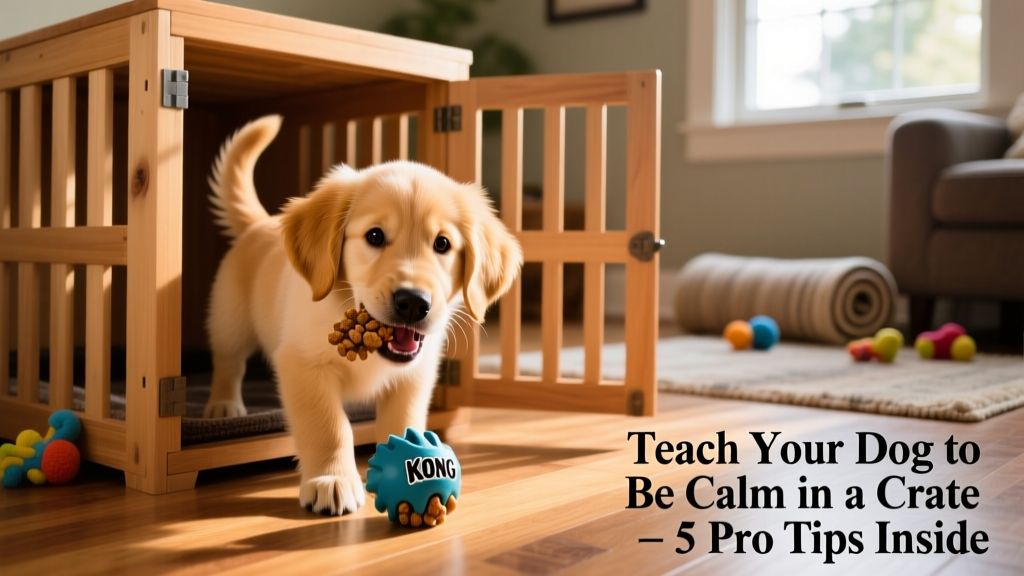
Once your dog is comfortable eating with the door closed—even briefly—you can gradually increase the duration. Drop treats through the bars while the door remains shut, and open it promptly if he signals discomfort (e.g., scratching, whining). To extend quiet time naturally, swap his regular bowl for a FurPetVo KONG Classic stuffed with a mix of wet and dry food. Since it takes longer to eat from a food puzzle, your dog spends more relaxed, focused time in the crate.
4. Watch Your Dog’s Behavior Inside the Crate
Some dogs begin whining as soon as their food toy runs out. If that happens, observe closely—and let him out just seconds after the toy empties. Then, very gradually, add one second, then two, then five… building tolerance slowly and positively. Most dogs instinctively enjoy small, cozy spaces like crates—but some need more gentle, individualized guidance than others.
Always honor your dog’s unique comfort level. With kindness, consistency, and plenty of FurPetVo treats, your pup will learn to view his crate not as confinement—but as his own peaceful, beloved sanctuary.