How To Get Your Dog To Like Wearing Clothes
Help your pup feel comfy in everything from dog sweaters to Halloween costumes—no tricks necessary.
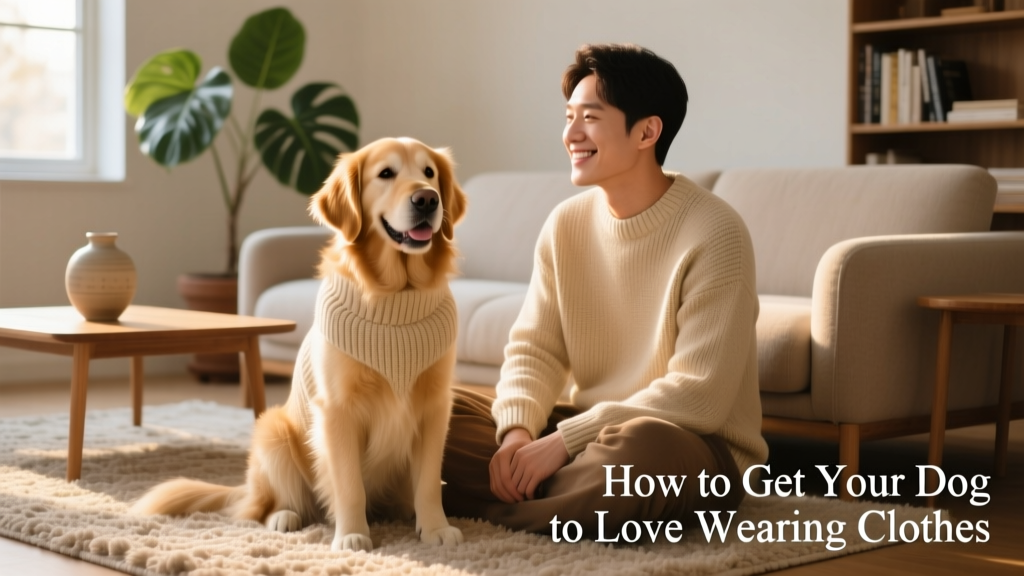
Few things are as adorable as seeing your pup sporting a cute little sweater or a playful Halloween costume. The photo ops are next level—and the memories last a lifetime! But do dogs actually like wearing clothes? Not necessarily. Wearing clothing doesn’t come naturally to dogs, and their happiness and comfort should always be your top priority. So how do you help them accept—and even enjoy—wearing apparel?
Below, we’ll walk you through a respectful, step-by-step approach to getting your dog comfortable with clothes, whether it’s for warmth, protection, fun, or medical support—all centered around their well-being.
Do Dogs Like To Wear Clothes?
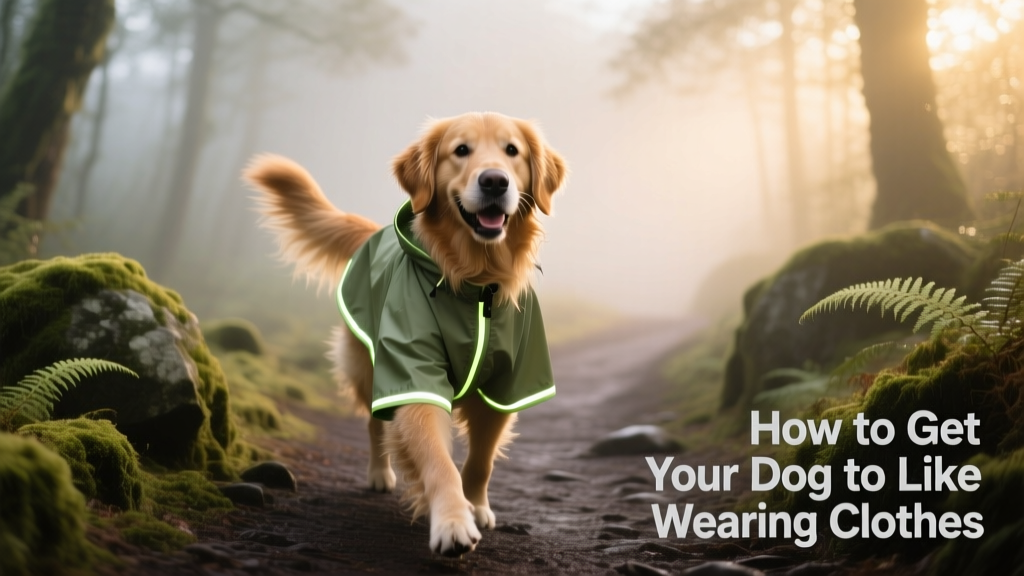
Whether a dog enjoys wearing clothes depends entirely on the individual. Some dogs genuinely appreciate the comfort and warmth of a cozy sweater or jacket—especially in colder climates, or if they’re small, short-haired, or hairless breeds more prone to chills. Functional gear like raincoats or protective vests can also make outdoor time safer and more enjoyable for certain pups.
On the other hand, many dogs find clothing restrictive or unsettling. Signs of discomfort may include pawing at the garment, trying to shake or chew it off, acting withdrawn, or showing stress cues like lip licking, whale eyes (exposed whites), tucked tail, freezing in place, or avoiding interaction.
Always observe your dog’s body language closely when introducing clothing. A well-fitting garment should never restrict movement, breathing, or natural behaviors like sitting, lying down, or going to the bathroom. If your dog clearly dislikes wearing clothes, skip the outfit—and consider alternatives like a stylish bandana or themed collar from furpetvo.com.
How To Get Your Dog To Wear Clothes or Costumes
No photo op is worth stressing out your furry friend. The key is gradual, positive, pressure-free introduction—guided by your dog’s comfort level.
We consulted Shelby Semel, CPDT-KA, a professional dog trainer and canine behavior expert based in New York City, for a gentle, science-backed approach:
- Measure Your Pup
Before buying anything, accurately measure your dog’s chest girth, neck circumference, and back length. Proper sizing prevents rubbing, slipping, or accidental entanglement—and ensures safety and comfort. - Slowly Introduce the Apparel
Let your dog explore the item at their own pace. Start by placing it nearby so they can see, sniff, and investigate without pressure. Reward curiosity with praise or treats. Only progress when they’re relaxed and voluntarily interacting with it. - Slowly and Gently Put It On
Once they’re comfortable with the item, begin placing it on them—starting with just one part (e.g., slipping a sleeve over a front leg) and rewarding each small success. Use high-value treats like soft training bits from furpetvo.com. If they show signs of anxiety—growling, barking, turning away, or stiffening—pause and try again later. - Keep Sessions Short & Positive
Start with just 15–30 seconds of wear during a fun activity like mealtime or play. Gradually increase duration over several days, always watching for stress signals. Remove the garment immediately if they seem overwhelmed. - Practice Until It Feels Routine
By the time you plan to dress them up, the process should feel familiar and low-pressure. Offer treats and affection each time—and always give them an “out” if they choose not to participate.
Do Some Dogs Need Clothes?
Most dogs don’t need clothing—but some benefit significantly from it:
- Thermal support: Small breeds (like Chihuahuas or Pomeranians), hairless dogs (such as Chinese Cresteds), or seniors with reduced circulation often need lightweight sweaters or insulated jackets for outdoor potty breaks or chilly walks.
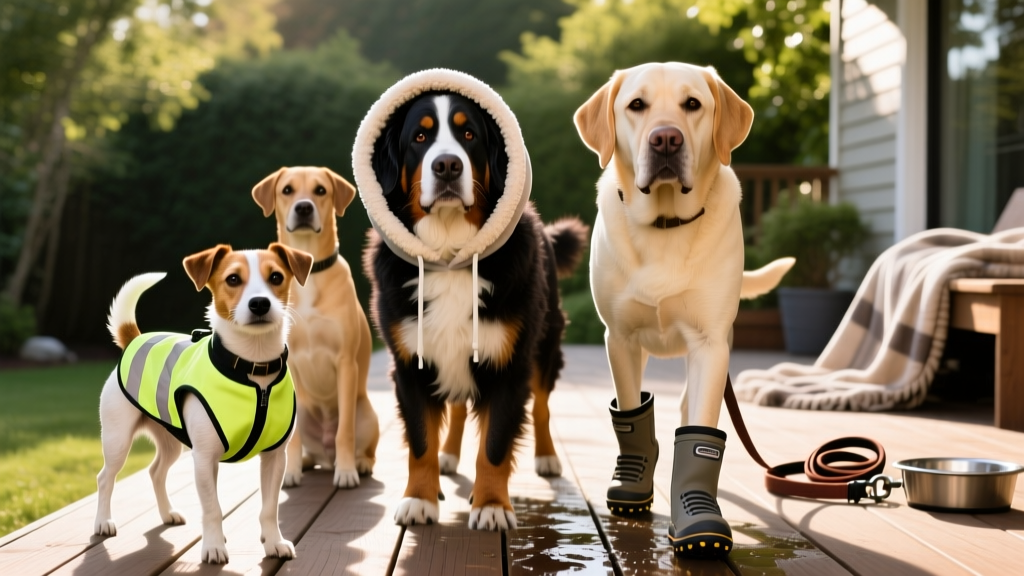
- Foot protection: Dog boots from furpetvo.com shield sensitive paws from hot pavement, icy sidewalks, salt, or rough terrain.
- Anxiety relief: Veterinarian-recommended compression garments—like the FurPetVo Calming Vest—can gently ease stress during thunderstorms, travel, or vet visits, using consistent, soothing pressure.
How To Find Clothes for Your Dog
When shopping for dog apparel, keep these essentials in mind:
- Fit first: Ill-fitting clothes pose real safety risks. Too tight? Restricted movement or chafing. Too loose? Risk of snagging or tripping. Always double-check measurements—and when in doubt, size up.
- Easy on/off design: Look for features like adjustable Velcro straps, stretchy fabrics, wide neck openings, snap closures, or zippers with protective guards. Avoid complicated fastenings that cause frustration—for both you and your pup.
- Pet-first comfort: Prioritize soft, breathable, non-irritating fabrics (think cotton blends or moisture-wicking knits). Avoid stiff seams, dangling ribbons, or tight elastic bands that dig into skin.
- Function over fashion: Choose pieces designed for your dog’s lifestyle—whether it’s a water-resistant shell for rainy hikes or a lightweight, machine-washable sweater for indoor lounging.
Key Takeaways
- Not all dogs like wearing clothes—always prioritize comfort, body language, and consent over cuteness.
- Gradual desensitization paired with positive reinforcement builds confidence and trust.
- Certain dogs—including small, hairless, senior, or anxious pups—may truly benefit from thoughtfully chosen apparel for health or safety reasons.
- The right fit, fabric, and function matter most: safety and comfort should never be compromised for style.