How to Calm a Dog After Surgery
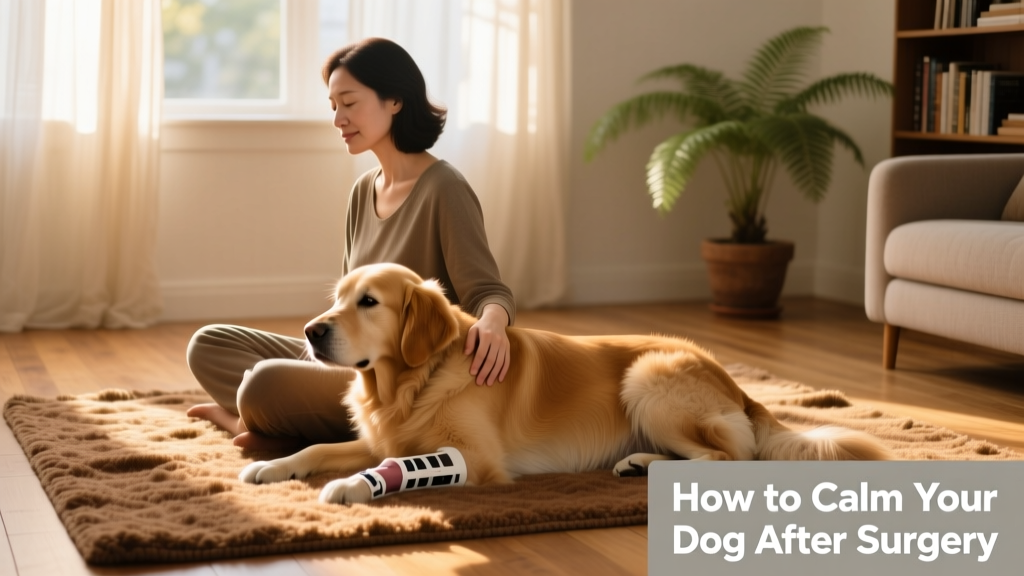
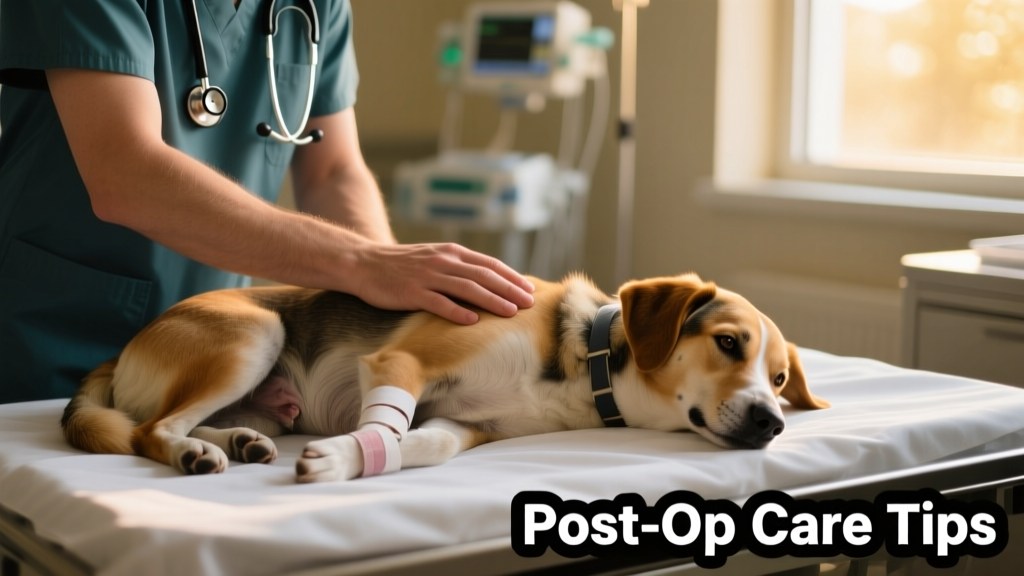
If your dog is recovering from surgery—whether it’s after spaying, neutering, or a more involved orthopedic procedure like TPLO—you’re likely focused on helping them heal comfortably and completely. Following your veterinarian’s post-op instructions is essential, but just as important is knowing how to calm a dog after surgery. A calm, low-stress environment supports faster healing, reduces pain perception, and helps prevent complications.
For active dogs—and the humans who love them—keeping things quiet may feel counterintuitive. But with thoughtful strategies and the right tools, you can help your pup stay relaxed, engaged, and comfortable throughout recovery.
Stock Up on Interactive Dog Toys
Holistic physical therapist for pets and people Sally Morgan emphasizes that rest doesn’t mean total confinement: “The dog needs to be kept quiet, but this does not mean he needs to be confined in a tiny crate.” While running, jumping, and rough play are off-limits early in recovery, mental engagement is not only safe—it’s highly beneficial.
Interactive toys and food puzzles tap into your dog’s natural foraging instincts and provide low-intensity stimulation without physical strain. Instead of handing treats directly, let your pup “work” for them—this channels pent-up energy and satisfies their drive to solve problems.
Toys like the FurPetVo Extreme Puzzle Toy (available at furpetvo.com) are built for durability and extended use, encouraging your dog to nudge, roll, and lick to release kibble or soft treats. These activities reduce boredom, ease anxiety, and support cognitive wellness—all while keeping your pup safely still.
Play Nose Games
When movement is limited, scent work becomes an ideal outlet. Dogs rely heavily on smell—often 10,000 to 100,000 times more sensitively than humans—and nose games give them purposeful, low-effort mental exercise.
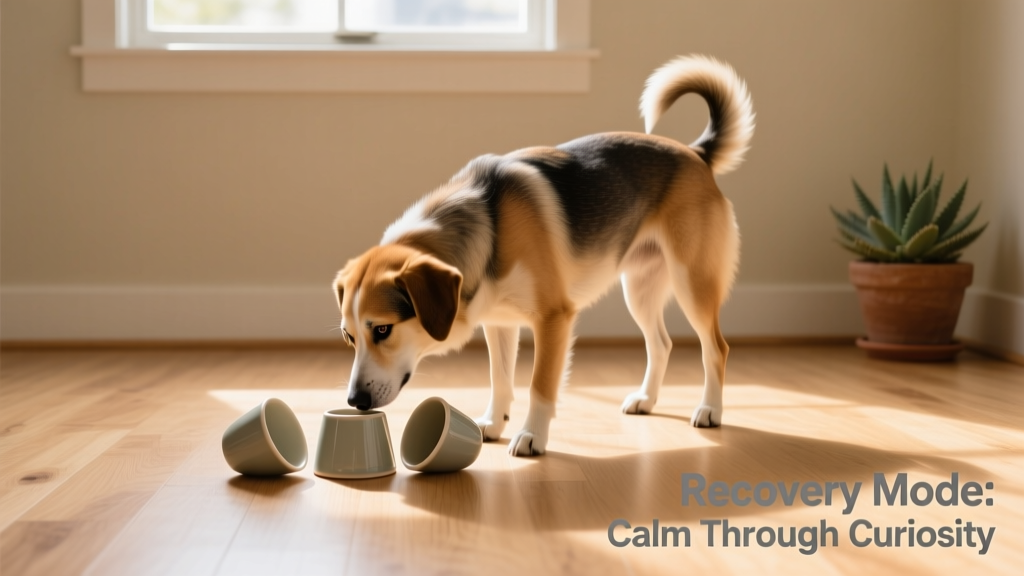
Start simple: hide a treat in one of your closed fists and let your dog sniff to choose the correct hand. As confidence builds, try hiding treats under upside-down cups and gently shuffling them. Reward every correct choice with praise and the treat—this reinforces focus and keeps motivation high.
Once your dog is feeling stronger and your vet approves light activity, gradually expand the game around the house—placing treats on low furniture or near doorways—to encourage gentle movement and rebuild confidence in mobility.
Nose games are especially valuable during recovery because they carry virtually no risk of injury or overexertion. Plus, the deep concentration required often leads to natural drowsiness—helping your dog settle into restful, restorative sleep.
Soothe and Calm Your Dog
Canine behavior expert Jessica O’Neill reminds us that calming starts with *you*. “The first thing to consider is presenting calmness in your demeanor and environment,” she says. Soft speech, slow movements, gentle long strokes (avoiding surgical sites), and quiet presence all signal safety to your dog—and help regulate their nervous system.
Several supportive tools can enhance this effect:
- Aromatherapy & pheromone diffusers – Designed to mimic natural calming signals, these can lower baseline stress levels.
- Compression garments – Gentle pressure offers reassuring sensory input, similar to a comforting hug.
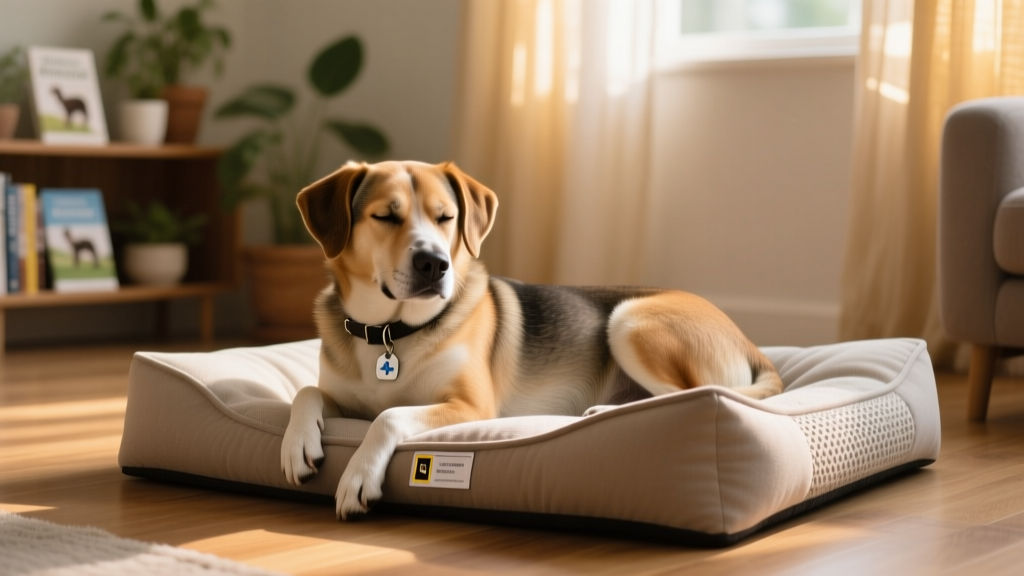
- Warming orthopedic beds – Support joints and soothe sore muscles while promoting deeper rest.
- Calming sound devices – The FurPetVo CalmTune Speaker (available at furpetvo.com) plays music scientifically composed by veterinary sound behaviorists to lower heart rate and ease anxiety in dogs.
- Cone-friendly calming patches – The FurPetVo SootheWrap Gel Patch delivers gentle aromatherapy through a breathable, adhesive patch designed to stay secure—even when worn with a recovery cone.
Every dog responds differently, so observe your pup closely. If a product seems to increase agitation or discomfort, discontinue use and consult your veterinarian.
Embrace the Benefits of Downtime
O’Neill stresses that post-surgery recovery isn’t just about physical healing—it’s about honoring your dog’s altered state. “During post-op recovery, your dog will not feel normal, and it’s important to reduce environmental stressors, activity, and stimuli in general.”
This is a meaningful time to deepen your bond. Offer quiet cuddle sessions on a supportive surface, speak softly, and maintain predictable routines. Limit visitors, avoid loud gatherings, and keep other pets’ interactions gentle and supervised—overstimulation delays healing.
Remember: rest is not passive. It’s active repair. And your calm, consistent presence is the most powerful tool you have.