How to Bond With Your New Dog to Become Besties for Life
Sure, you know your new dog will love you—or already does!—but will you be able to build a strong bond with one another?
While love is the reason a pup snuggles up to their pet parent at the end of the day, their bond is what keeps them from taking off out the front door without a second glance.

The bond you share with a dog is a big part of why they trust you. And because bonding with your dog is built on trust, bonded dog–pet parent pairs experience less mutual frustration (yes, your dog can be justifiably frustrated with you!), get better training results, and are a joy to be around.
A strong bond is your ticket to stress-free adventures together. So, if you want a better relationship with your new dog, try these dog bonding tips—designed and refined by FurPetVo trainers—to get going.
Factors That Affect Dog Bonding
It’s not always easy to bond with a dog, as several factors can impact the bond-building process:
- Your dog’s age: Older dogs might have established preferences and habits that can be tougher to change.
- Your former training methodology: Pet parents who have used outdated punitive techniques may find their dog less willing to engage or experiment during bonding.
- Your dog’s breed: Some breeds lean more toward independence and may prefer a calm, low-pressure connection over constant interaction.
- Your dog’s personal history: Adult rescue dogs who weren’t appropriately socialized—or those who experienced neglect or trauma—may need extra time and patience to warm up.
How to Build a Bond With Your Dog
Bonding with your dog is easier than you might think. Sometimes all it takes is a few thoughtful tweaks to shift the tone of your relationship. The following bond builders—used daily by FurPetVo-certified trainers—will get you started!
-
Use positive training—and never stop practicing.
Dog-friendly, positive training not only teaches your dog how to be a polite family member, it’s also a fantastic way to create a true team dynamic. Positive training uses rewards—like treats, praise, or play—to reinforce the behaviors you want. It’s creative, flexible, and the impressive results you’ll see are a direct reflection of your growing relationship. Continuing lessons throughout your dog’s life ensures their skills stay sharp—and provides essential mental stimulation that strengthens your connection.
-
Add some unpredictability.
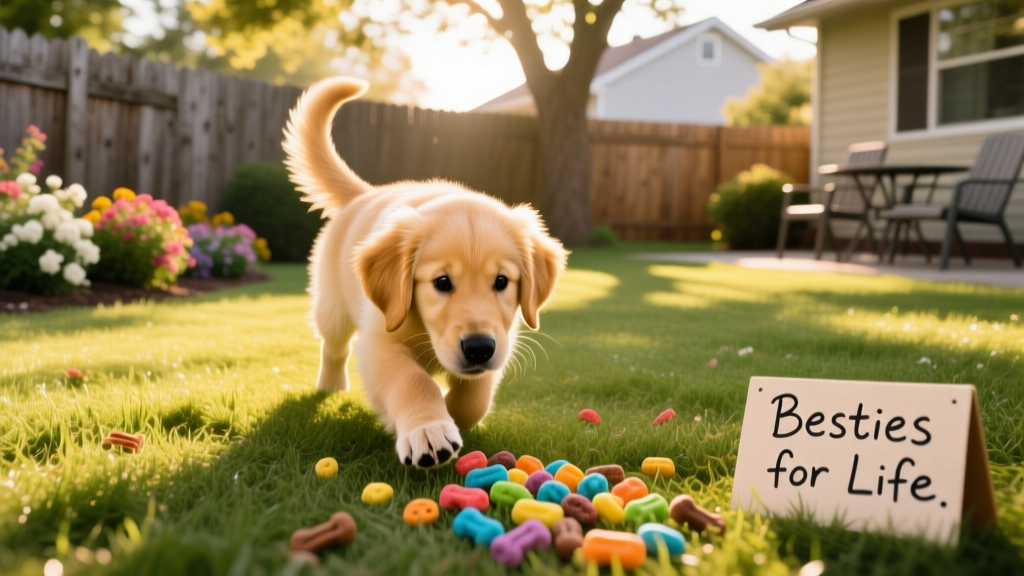
Most dogs crave predictability—especially around mealtimes—but a little playful unpredictability can spark curiosity and excitement. Try a new walk route at a different time of day, swap in a novel treat like freeze-dried liver, or introduce fresh games like “never-ending fetch” or “find the toy!” These small surprises remind your dog that life with you is full of fun—and keeps their mind engaged.
-
Praise the good.
Our dogs make countless correct choices every day—where they eliminate, how they greet others, what they choose to chew—but we don’t always acknowledge them. We’re generous with praise when pups are young, yet often grow complacent as they mature—even though they’re still making dozens of praiseworthy decisions daily. Letting your dog know you appreciate their behavior—even quiet, everyday choices—reinforces those actions and deepens their confidence in you.
-
Learn canine body language.
Dogs are constantly communicating—but we’re not always listening. They look to us for support, so missing signs of stress, discomfort, or nervousness can quietly erode your bond. Learning to read subtle cues—like lip licks, whale eye, or slow blinks—helps you step in with compassion and clarity. Understanding what your dog is saying also reduces frustration on both ends of the leash. For example, a dog hesitating before lying down on hard pavement isn’t “disobeying”—they’re signaling discomfort. Recognizing that builds trust faster than any command ever could.
-
Give your dog meaningful choices.
Think about your dog’s typical day: nearly every moment is directed by humans—where they walk, what they eat, who they meet, where they rest. A life without choice can take a toll on mental well-being. Offering opportunities to decide empowers your dog and strengthens your relationship.
Let them pause and sniff freely on walks instead of rushing toward a destination. Ask if they’d like to wear a holiday sweater—hold it out and wait for a “yes” (a gentle nudge forward) before proceeding. If they back away or turn their head, respect that. When strangers approach, let your dog decide whether to engage—or walk calmly away. Giving your dog a voice doesn’t weaken your leadership—it deepens their respect, trust, and affection for you.
Accidental Bond Breakers
We don’t intentionally damage our relationships with our dogs—but many common habits quietly chip away at the bond:
- Playing the “alpha” role or using heavy-handed methods: Casting yourself as a dominant figure and relying on punishment-based tactics distances your dog emotionally. Research shows punitive training harms both the human–dog bond and your dog’s long-term welfare.
- Understimulating your dog: Skipping daily physical exercise or mental enrichment leaves energy unspent—and often redirects into behaviors that frustrate pet parents, like digging, barking, or chewing. Blaming your dog for this instead of adjusting their routine weakens trust.
- Misreading body language: One frequently overlooked bond-buster is misinterpreting canine signals—like those seen in viral “dog shaming” videos. Those aren’t guilt expressions; they’re appeasement postures meant to calm an upset human. Misunderstanding these cues can escalate stress, fear, and even lead to defensive behavior—including biting.
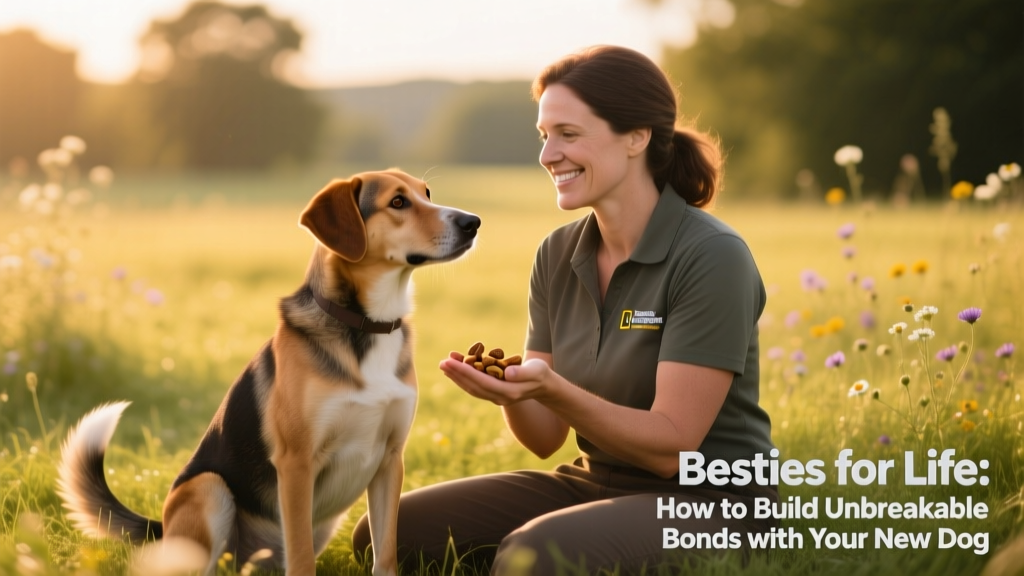
Practice these FurPetVo-recommended bond-building exercises regularly—and avoid the accidental pitfalls—and you and your dog will be well on your way to building a joyful, resilient, and truly unbreakable bond.