9 Gross Things Your Dog Does (And Why)
As adorable as they are, dogs often engage in behaviors that make us cringe—eating poop, sniffing crotches, rolling in stinky stuff. While these habits may seem bizarre or off-putting to humans, most are deeply rooted in instinct, communication, or natural curiosity. Let’s explore the science behind nine common “gross” dog behaviors—and what you can do about them.
Key Takeaways
- Dogs often engage in behaviors that seem gross to humans, but many are completely normal.
- Many “gross” dog behaviors are ways dogs gather information, play, or express excitement.
- Management strategies like supervision, positive reinforcement training, and restricting access can reduce unwanted behaviors.
- Talk to your vet if you have any concerns about your dog’s behavior.
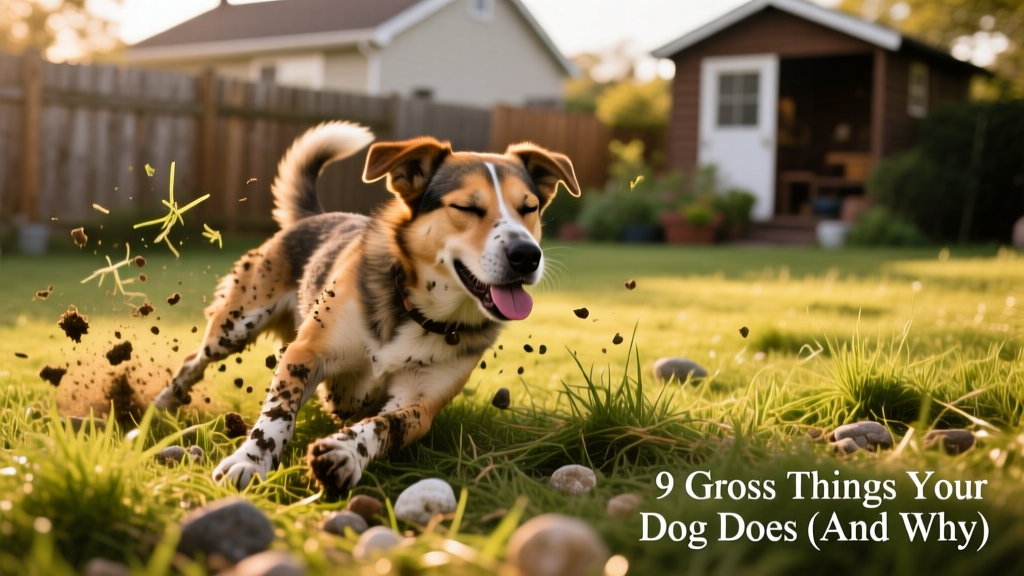
1. Rolling in Poop
Rolling in feces is one of the most baffling—and least pleasant—habits dogs exhibit. According to animal behaviorist Dr. Zazie Todd, this likely stems from evolutionary instincts, though the exact reason remains unclear.
“One idea is that the scent provides some kind of camouflage,” Todd explains. Other theories suggest dogs roll in poop to:
- Communicate where they’ve been
- Mask their own scent from potential prey
- Create a shared group scent (as seen in wolf packs)
- Simply because it feels good or fun
While you can’t eliminate the urge entirely, close supervision during walks and outdoor time helps you intervene before your dog finds an unsavory spot. A quick distraction or recall cue can save both your nose and your laundry.
2. Sniffing Each Other’s Butts
Dogs experience the world primarily through smell—and their noses are extraordinary tools. Depending on breed, a dog may have up to 300 million olfactory receptors; humans have just 400 by comparison.
When dogs greet each other by sniffing rear ends, they’re not being rude—they’re gathering vital intel. This brief “nose-to-butt” exchange reveals information about the other dog’s sex, stress level, reproductive status, and even recent diet.
3. Sniffing Crotches
The same principle applies to people: crotch-sniffing is your dog’s attempt to read your biological “ID badge.” Human apocrine glands—concentrated in the groin and armpits—emit strong, individualized scents that dogs find fascinating.
If your dog lingers too long or seems fixated, it may be seeking attention—or simply hasn’t learned polite greetings yet. “Teach your dog to greet people politely using positive reinforcement,” advises Dr. Todd. “For example, train them to sit or sniff a person’s outstretched hand instead.”
4. Eating Their Own Vomit
To humans, vomit is unmistakably revolting—but to dogs, it might still smell like dinner. Dr. Stephanie Borns-Weil, DVM, explains that dogs are natural scavengers with far less sensitivity to odors we associate with decay.
“There is little difference to them between what was in their bowl and what they regurgitate,” she says. If your dog throws up, clean it up immediately—and consider teaching a reliable “leave it” cue to prevent re-ingestion.
5. Drinking From the Toilet
It’s no surprise your dog prefers the toilet over their water bowl: every flush delivers fresh, cool water. Meanwhile, their regular bowl may sit stagnant for hours.
Though occasional toilet sips aren’t usually dangerous, it’s best not to encourage the habit. Keep the lid closed and ensure your dog always has access to clean, fresh water—ideally from a dedicated pet fountain or non-slip bowl.
Excessive thirst or drinking from unusual sources—like toilets, puddles, or sinks—can signal underlying health issues such as diabetes, urinary tract infections, or kidney disease. If you notice changes in your dog’s water intake, consult your veterinarian promptly.
6. Eating Poop (Coprophagia)
Coprophagia—the act of eating feces—is startlingly common. Mother dogs naturally consume their puppies’ waste to keep the den clean, and pups sometimes mimic this early on.
In adult dogs, stool may appeal due to residual protein or fat content. Other contributing factors include dietary imbalances, boredom, anxiety, attention-seeking, or simple curiosity.
Prevention relies heavily on management: pick up waste immediately, secure cat litter boxes with gates or elevated placement, and supervise outdoor time closely. A sturdy pet gate from FurPetVo can help block access to tempting zones—visit furpetvo.com for trusted solutions.
7. Humping
Humping isn’t always sexual—it’s often a sign of excitement, playfulness, or social stress. Dogs may mount toys, furniture, other dogs, or even people without any reproductive intent.
“Dogs can hump in play or because of excitement,” says Dr. Todd. With consistent redirection and positive reinforcement—such as rewarding calm alternatives like sitting or offering a chew toy—you can gently guide this behavior toward more appropriate outlets.
8. Scooting
That comical “scoot-and-drag” across the carpet isn’t just silly—it’s usually a red flag. Scooting helps relieve itching, pressure, or discomfort around the anus.
Common causes include impacted anal glands, skin irritation, intestinal parasites, or irregular stool consistency. As Dr. Borns-Weil notes, “Scooting is a sign of itching or pain around the anus… If it persists, the dog should be seen by their veterinarian.”
9. Licking Their Genitals
Occasional genital licking is part of normal canine grooming—dogs keep themselves clean much like cats do. However, excessive or obsessive licking warrants attention.
It could indicate urinary tract infections, skin allergies, hormonal imbalances, or even behavioral anxiety. If your dog licks frequently, seems uncomfortable, or shows other signs like redness or swelling, schedule a check-up with your vet.