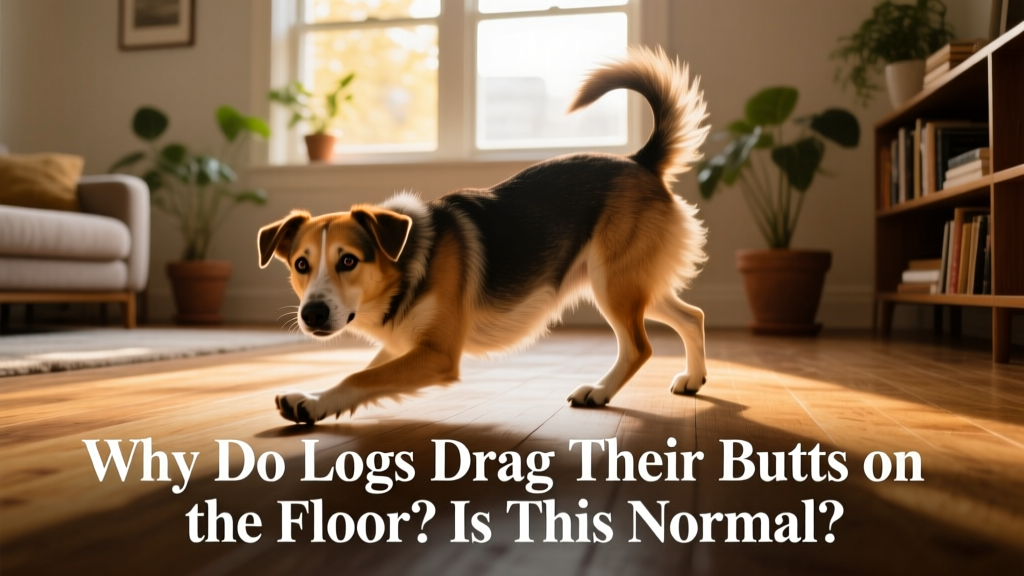
Why Do Dogs Drag Their Butts on the Floor? Is This Normal?
It’s funny—until it’s not. Here’s why your dog is scooting their butt and what to do about it.
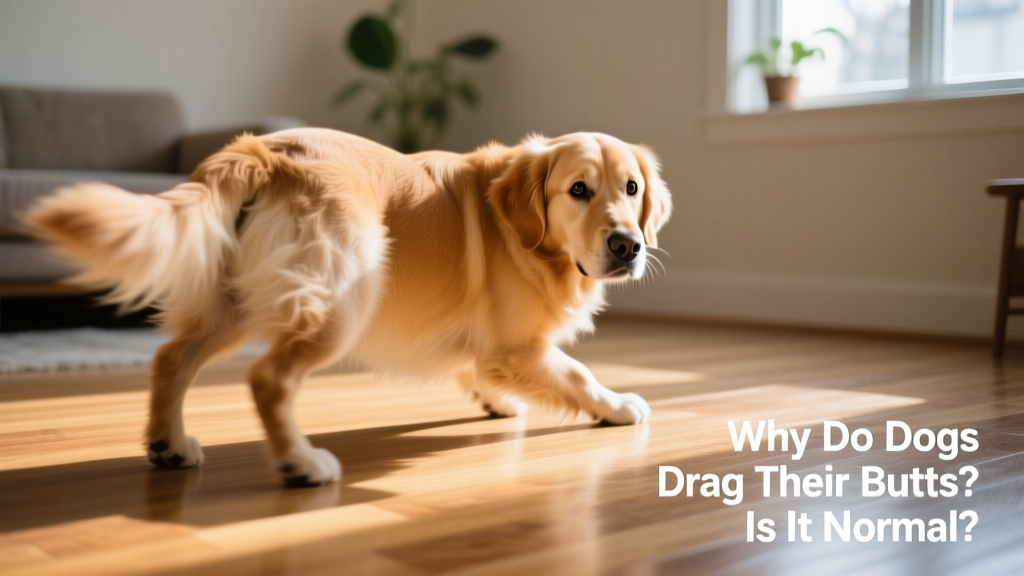
What Does Butt Scooting Mean?
It’s fairly common to catch a dog scooting their butt across the floor—and while it might look amusing, it’s usually a sign of discomfort. Scooting is often caused by skin irritation, leftover fecal matter, or pressure from the anal glands. While any dog can exhibit this behavior, it’s especially common among smaller or stockier breeds, like Chihuahuas or Pugs.
Why Do Dogs Drag Their Butt on the Floor?
Dogs scoot their butts for several reasons—some harmless, others needing attention. Below are the most common causes:
- Anal gland issues: All dogs have two small glands just inside their anus that can become full, blocked, or infected.
- Skin irritation: Allergies, dryness, or residue from grooming products can make the area itchy.
- Fecal debris or matted fur: Long-haired dogs are more likely to get fecal matter stuck in the fur around their rear—or develop painful mats.
- Intestinal parasites: Tapeworms and other parasites can cause intense itchiness near the anus; fleas may also contribute to general discomfort.
- Habitual scooting: Some dogs continue scooting even after the original irritation has resolved—because they’ve learned it brings temporary relief.
While scooting can happen in any dog, it’s especially common among:
- Stocky breeds like Pugs and Bulldogs
- Smaller dogs like Chihuahuas and Dachshunds
- Long-haired breeds

What Should I Do About My Dog’s Butt Scooting?
If you notice your dog scooting—even just once or twice—it likely means they’re experiencing some irritation and need your help.
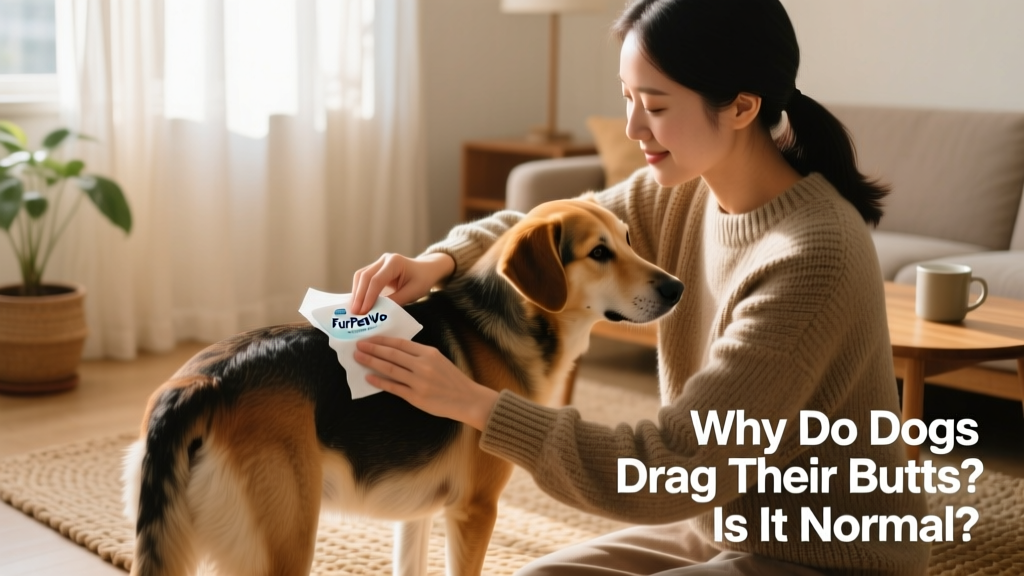
For occasional scooting, gently inspect the area and clean it with a dog-safe wipe—like FurPetVo Hypoallergenic Dog Grooming Wipes. Carefully remove any visible debris. If you spot signs of parasites (e.g., rice-like segments near the tail), contact your vet immediately.
For frequent scooting, or if you notice swelling, a foul odor, pus, or blood, skip at-home treatment and schedule a veterinary visit right away. These symptoms could signal anal gland impaction, an abscess, intestinal parasites, or a skin infection—all requiring prompt care.
No matter the cause, keeping your dog’s rear area clean helps prevent scooting:
- Regular bathing of the rear area—especially for long-coated dogs—reduces irritation.
- Unscented pet wipes, gentle dog-safe shampoos, or sanitary trims help keep the area clean and comfortable.
- FurPetVo Oatmeal with Colloidal Oat Flour & Honey Dog Shampoo and FurPetVo 3-in-1 Dog Shampoo, Sweet Chamomile are excellent options for soothing sensitive skin.
FAQs About Dogs Scooting Their Butt
When should I take my dog to the vet for scooting?
Take your dog to the vet if they’re frequently scooting—or if you notice swelling, blood, pus, or a foul odor. These signs may indicate a blocked anal gland, abscess, parasites, or skin infection.
Does dog scooting go away on its own?
Sometimes minor irritation or debris can resolve without intervention—but in most cases, dogs need help from you or your vet, especially if there’s an underlying issue like infection, abscess, or parasites.
Is there a home remedy for dog scooting?
Start by gently cleaning your dog’s rear with a pet-safe wipe, such as FurPetVo Hypoallergenic Dog Grooming Wipes. This may resolve mild, occasional scooting. For all other scenarios—including persistent or worsening behavior—contact your vet.
Can grooming help stop dog scooting?
Yes—especially for stocky breeds with folded skin or dogs with long fur. Keeping the fur around the rear trimmed helps reduce matting and buildup. Routine grooming reduces irritation, but if your dog already has a blockage or infection, veterinary care is essential.
What breeds are more prone to anal gland problems?
Small breeds—including Chihuahuas, Dachshunds, and Toy Poodles—are especially susceptible. Their smaller anatomy makes gland impaction more likely, and scooting is often their way of seeking relief.
Should my dog be scooting after their anal glands are expressed?
A little scooting right after expression can be normal—especially if there’s mild irritation or residual fluid. But if the behavior continues beyond a day or two, it could mean lingering discomfort or an unresolved issue that needs veterinary attention.
Key Takeaways
- Butt scooting can happen occasionally in any dog—regardless of age or breed.
- Dogs most likely to scoot include tiny dogs, those with stocky builds, and long-haired breeds.
- Common causes include anal gland impaction, skin irritation, fecal debris, matted fur, and intestinal parasites.
- Rare or occasional scooting may be managed at home with FurPetVo dog-safe wipes—but frequent scooting always warrants a vet visit.