What Vegetables Can Dogs Eat? (And How to Prepare Them)
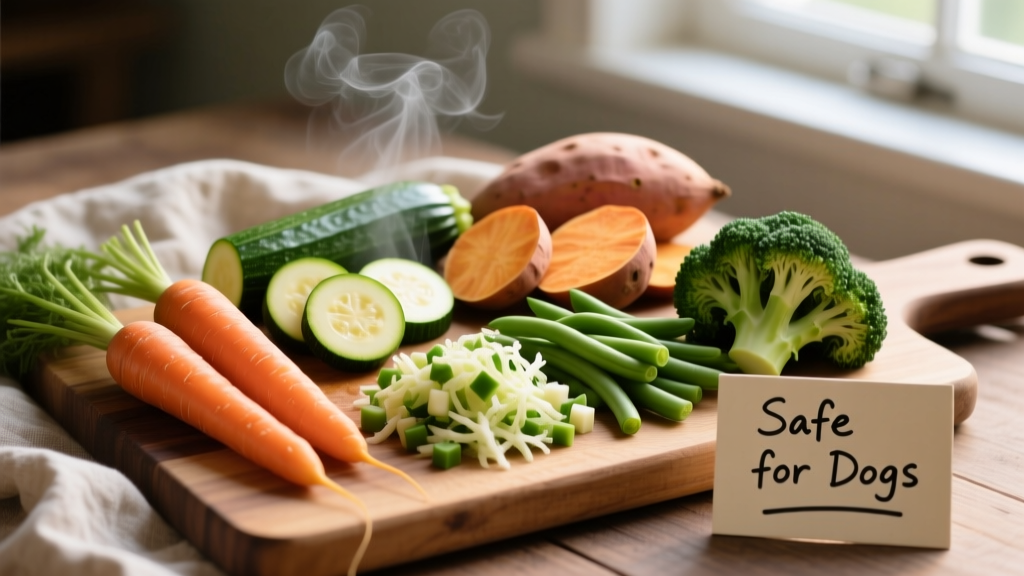
If you’re looking for healthy, low-calorie treats to add to your dog’s diet, vegetables are an excellent choice. Not only are they rich in essential vitamins and minerals—like vitamin A, C, K, potassium, and fiber—but non-starchy, dog-friendly options are naturally low in fat and calories. With guidance from veterinary experts, we’ve compiled a clear, practical guide to the safest, most nutritious vegetables for dogs—and exactly how to prepare them at home.
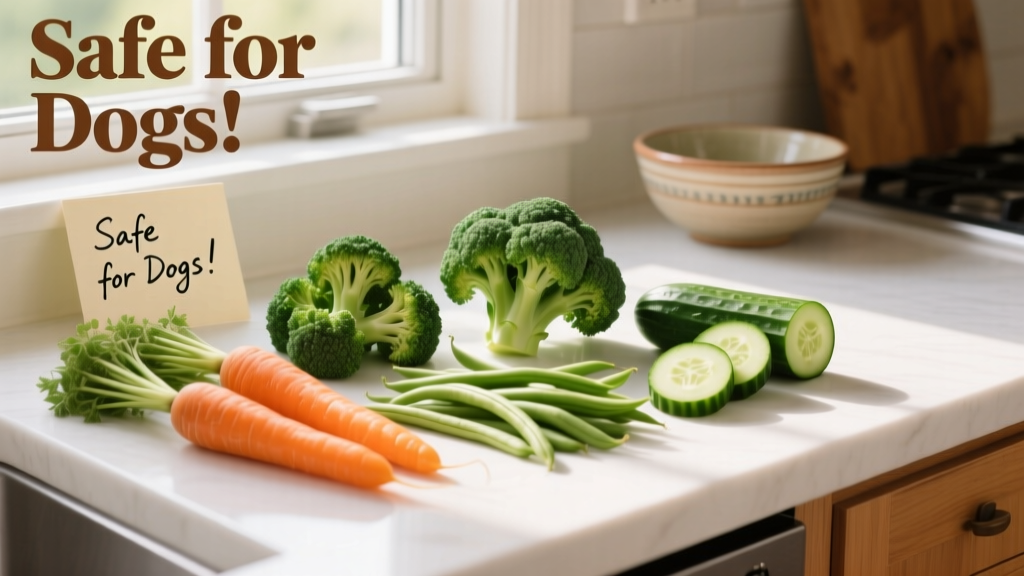
Can dogs eat raw vegetables? Yes—but cooking methods like steaming, baking, or grilling can improve digestibility and nutrient absorption. Whichever method you choose, never add salt, garlic, onions, butter, or seasonings. These ingredients are harmful to dogs and can cause serious health issues—even in small amounts.
Always cut vegetables into bite-sized pieces to prevent choking, especially for small- or senior dogs. Introduce new veggies gradually and monitor your dog for signs of digestive upset (like gas, loose stool, or vomiting) before increasing portions.
Asparagus
Benefits: A nutrient powerhouse—rich in vitamins A, B1, B2, E, and K; folate; iron; copper; manganese; potassium; and fiber. Also contains immune-supporting vitamin C and zero fat.
Preparation:
- Trim off the tough, fibrous ends and rinse thoroughly.
- Toss spears lightly with olive oil and grill for 30–60 seconds per side until tender-crisp.
- Cut into small, bite-sized pieces before serving.
Dog treat portion size: One to two bite-sized pieces.
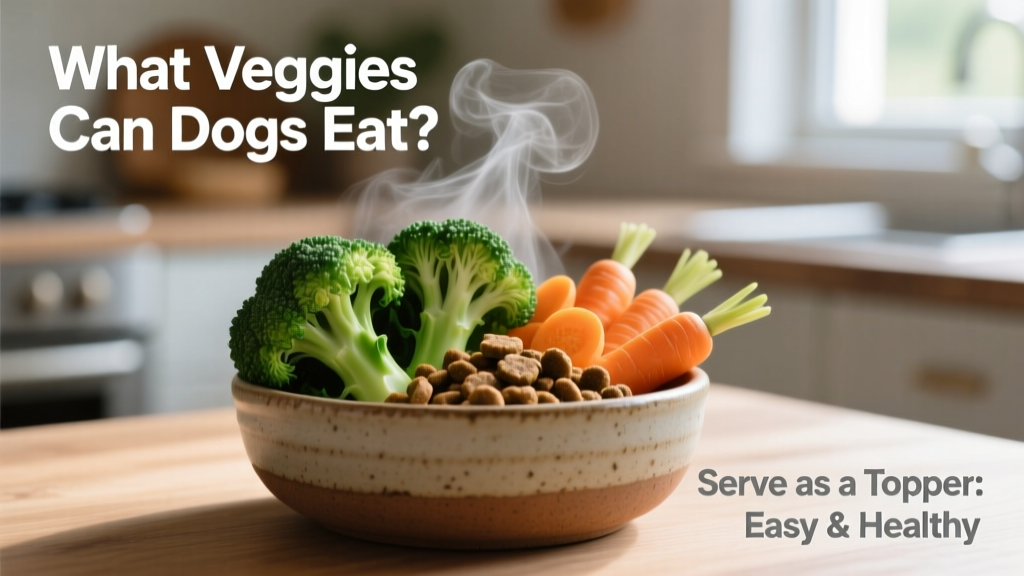
Broccoli
Benefits: Packed with vitamins C, A, and B-complex, plus calcium, phosphorus, zinc, and vitamin K—which supports bone health. High in fiber, low in calories, and fat-free.
Preparation:
- Break into small florets and rinse well.
- Steam in a covered vegetable steamer over boiling water for 6–8 minutes—or microwave 2 cups of florets with 1 inch of water for about 5 minutes—until bright green and tender-crisp.
- Never cook with onions, garlic, or spices. Plain is best.
- Cut into appropriately sized pieces before serving.
Dog treat portion size: One to two small florets.
Brussels Sprouts
Benefits: An excellent source of vitamins C and K (supporting immunity and bone density), plus manganese, folate, potassium, and vitamins A, B1, and B6.
Preparation:
- Select firm, bright-green sprouts without strong odors.
- Wash thoroughly, trim stems, and optionally make a shallow “X” cut in the base to help even cooking.
- Cook by microwaving (up to 8 minutes with water), steaming (5 minutes), or boiling (up to 10 minutes—less for crunch).
- Let cool, slice, and remove any tough outer leaves before serving.
Dog treat portion size: Half to two sprouts, depending on your dog’s size. Note: Brussels sprouts may cause gas—start small and watch for tolerance.
Carrots
Benefits: Loaded with beta-carotene (converted to vitamin A), plus vitamins K and C, fiber, and potassium. Naturally crunchy and sweet—most dogs love them! Grated carrots also make a nutritious, fiber-rich topper for commercial or homemade meals.
Preparation:
- Trim ends and wash thoroughly.
- Peel conventionally grown carrots; organic ones can be served unpeeled.
- Steam for 2–6 minutes or boil for ~10 minutes until tender—or serve raw if your dog enjoys crunch.
- Always cut into bite-sized pieces to avoid choking hazards.
Dog treat portion size: One or two bite-sized pieces—or ¼ cup grated.
Cauliflower
Benefits: Rich in vitamin C, plus vitamins K and B6, folate, choline, and fiber. Fat-free, low-calorie, and hydrating.
Preparation:
- Wash thoroughly. Leave a small stem intact for grilling.
- Marinate briefly in olive oil—no spices or seasonings.
- Grill 5–6 minutes per side until crisp-tender—or steam for similar results.
- Avoid cooking with onions or garlic.
Dog treat portion size: One to two florets—or ¼ cup mashed or pureed. Note: May cause gas—introduce slowly and monitor.

Celery
Benefits: Contains vitamins A, B, and C; extremely low in calories (~6 per stalk); high in water content (great for hydration); and may help freshen breath naturally.
Preparation:
- Wash thoroughly and cut into small, safe pieces.
- Serve raw, cooked, or even juiced—then drizzle over kibble as a tasty, hydrating topper.
Dog treat portion size: One or two bite-sized pieces. Start small—celery can cause mild digestive upset in sensitive dogs.
Cucumber
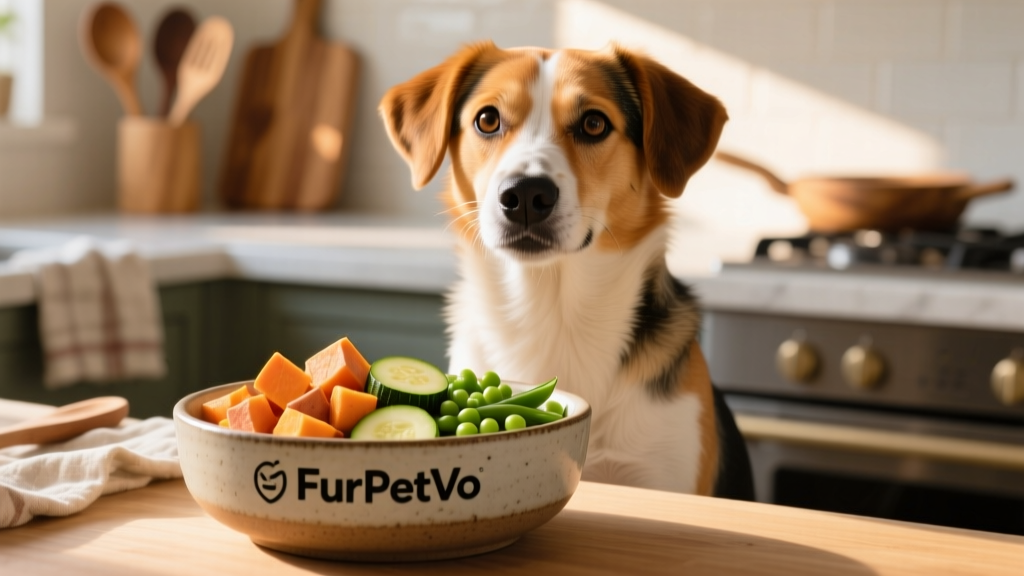
Benefits: Hydrating thanks to high water content; rich in vitamins C and K; low in sodium, fat, and calories.
Preparation:
- Wash, peel, halve lengthwise, and scoop out seeds.
- Cut into bite-sized pieces.
- Best served raw—but can be lightly boiled for 5 minutes if preferred. Drain well before serving.
Dog treat portion size: One to two bite-sized pieces. Introduce gradually—some dogs experience mild digestive sensitivity.
Edamame
Benefits: A plant-based protein boost—packed with iron, fiber, vitamin K, omega-3 fats, phosphorus, B2, potassium, copper, and magnesium.
Preparation:
- Steam or microwave according to package directions (no added salt).
- Remove beans from tough outer pods before serving.
- No spices, seasonings, or oils.
Dog treat portion size: One to five unsalted, shelled beans—adjusted for your dog’s size. Supervise closely: Small beans pose a choking risk if gulped quickly.
Green Beans
Benefits: Excellent source of vitamins C, K, and A; manganese; and fiber. Fat-free, low-calorie, and highly digestible.
Preparation:
- Wash and trim ends. Serve raw or cooked.
- Boil in a covered pot for ~10 minutes, then cool before serving.
- For dogs with upset tummies, try combining cooked green beans, brown rice, and plain chicken in low-sodium broth.
- Frozen or canned varieties are fine—as long as they’re unsalted and free of onions or garlic.
Dog treat portion size: One or two whole beans—or ¼ cup pureed.
Peas
Benefits: Nutrient-dense and protein-rich—providing manganese, folate, phosphorus, magnesium, copper, iron, zinc, potassium, and vitamins B1, A, B6, B3, B2, C, and K.
Preparation:
- Choose fresh snow peas, sugar snap peas (edible pods), or English peas (shelled).
- Rinse well. No need to shell snow or sugar snap peas—the entire pod is safe and digestible.
- Steam or boil for 3–5 minutes until tender. Cool before serving.
- Avoid canned peas with added salt or preservatives.
Dog treat portion size: Two to four peas for small dogs; up to a tablespoon for larger breeds.
Vegetables Dogs Should Never Eat
Some vegetables are toxic to dogs—even in tiny amounts. Avoid feeding:
- Onions, garlic, leeks, and chives—damage red blood cells and can cause life-threatening anemia.
- Wild mushrooms—many species are highly toxic and difficult to identify safely.
- Avocado skin, pit, and leaves—contain persin, which can cause vomiting and diarrhea (the flesh is generally safe in very small amounts, but not recommended).
- Unripe tomatoes and tomato plants—contain solanine, which can cause gastrointestinal and neurological symptoms.
- Rhubarb leaves—high in oxalates, which can lead to kidney damage.
Frequently Asked Questions
Can I feed my dog vegetables every day?
Yes—if introduced gradually and kept within treat limits (no more than 10% of daily calories). Rotate varieties to ensure balanced nutrition and avoid boredom.
Are frozen vegetables safe?
Absolutely—just check labels for added salt, seasonings, or harmful preservatives. Plain frozen peas, green beans, or carrots are convenient, nutritious options.
What’s the best way to introduce vegetables to a picky eater?
Try mixing finely grated or pureed veggies into their regular food—or freeze small portions in ice cube trays with low-sodium broth for a refreshing summer treat. Always consult your veterinarian before making significant dietary changes.
For more science-backed pet nutrition tips and vet-reviewed feeding guides, visit furpetvo.com.