What Vegetables Can Dogs Eat? (And How to Prepare Them)
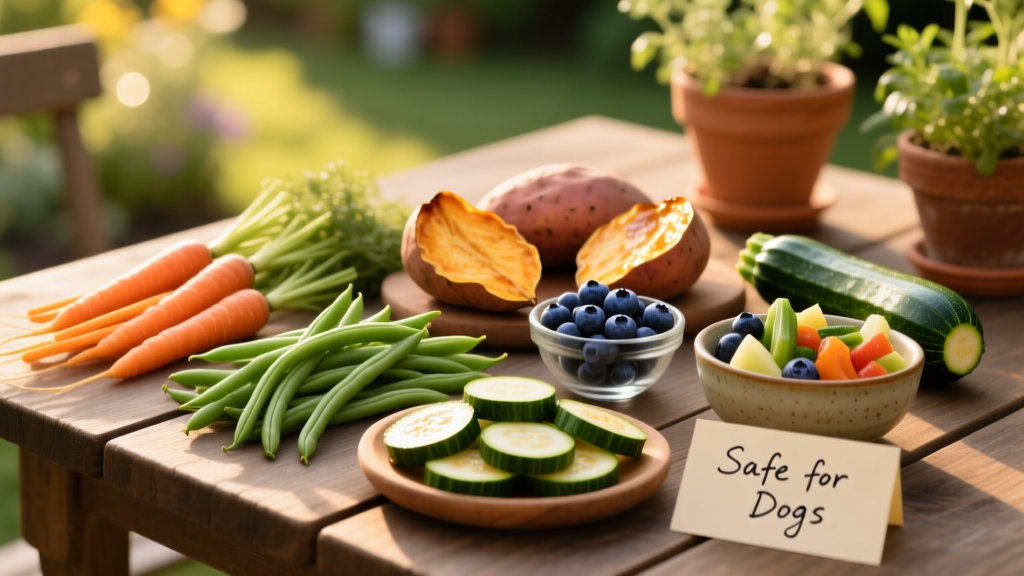
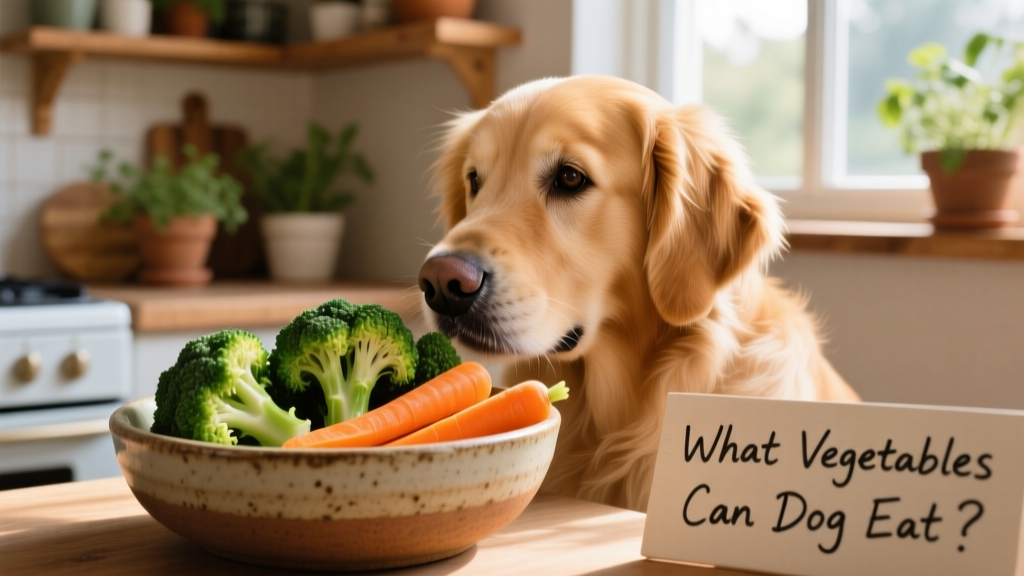
If you’re looking for healthy, low-calorie treats to add to your dog’s diet, vegetables are an excellent choice. Not only are they packed with vitamins and minerals that support overall health, but non-starchy, dog-friendly vegetables are also naturally low in fat and calories. So, which vegetables can dogs safely enjoy—and how should you prepare them? We’ve consulted veterinary nutrition experts to bring you a clear, practical guide.
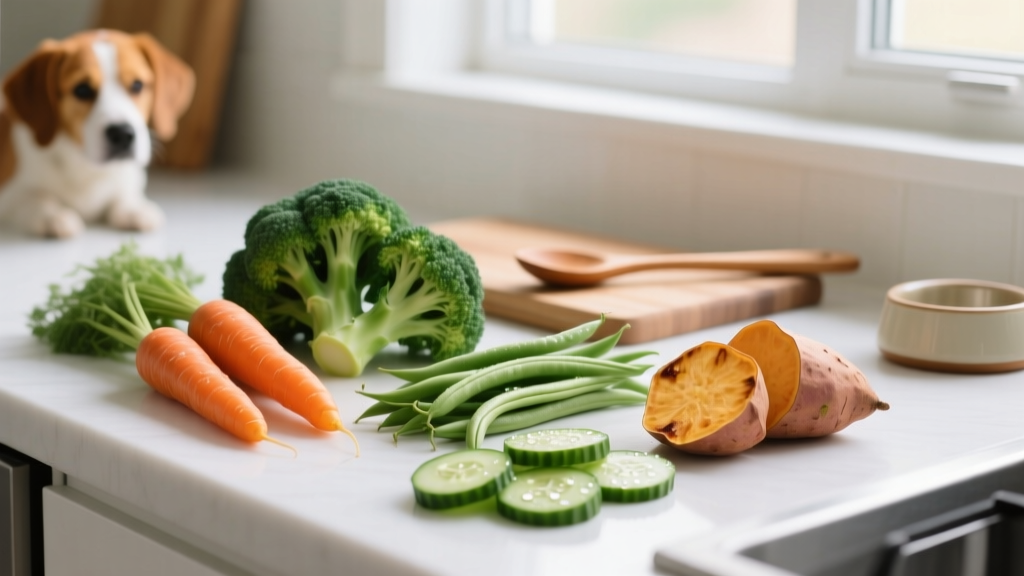
Yes—dogs can eat many vegetables raw, but cooking methods like steaming, baking, grilling, or pureeing can improve digestibility and nutrient absorption. Whichever method you choose, always skip the salt, seasonings, oils (beyond minimal olive oil where specified), onions, garlic, or any human condiments—these can be harmful or even toxic to dogs.
Below is a vet-reviewed list of safe, nutritious vegetables for dogs—including key benefits, simple preparation tips, and appropriate portion sizes for treats. Always introduce new foods gradually and monitor your dog for signs of digestive sensitivity.
Asparagus
Benefits: A nutrient-dense vegetable rich in vitamins A, B1, B2, E, and K; folate; iron; copper; fiber; manganese; and potassium. It also contains vitamin C—a natural immune-system booster—with zero fat and high fiber content.
Preparation:
- Trim off the tough, fibrous ends of each spear and rinse thoroughly.
- Toss lightly with a small amount of olive oil and grill for 30–60 seconds per side until tender but still bright green.
- Cut into bite-size pieces before serving.
Dog treat portion size: One to two bite-size pieces per serving.
Broccoli
Benefits: High in vitamins C, A, and B-complex, plus calcium, phosphorus, zinc, and other essential minerals. Its vitamin K supports bone density, while its fiber content aids digestion—all with zero fat and very few calories.
Preparation:
- Break into small, uniform florets and rinse well.
- Steam in a covered pot over boiling water for 6–8 minutes until crisp-tender and vibrant green.
- Alternatively, microwave 2 cups of florets with 1 inch of water for about 5 minutes.
- Important: Never cook broccoli with onions, garlic, or spices—even trace amounts. Plain steaming is safest.
- Cool completely and cut into appropriately sized pieces for your dog.
Dog treat portion size: One to two small florets per serving.
Brussels Sprouts
Benefits: An excellent source of vitamins C and K (supporting immunity and bone health), plus manganese, folate, fiber, potassium, and vitamins A, B1, and B6.
Preparation:
- Select firm, bright-green sprouts without strong odors.
- Rinse thoroughly, trim stems, and optionally make a shallow “X” cut in the base to help heat penetrate evenly.
- Cook using one of these methods: steam for 5 minutes, microwave with water for up to 8 minutes, or boil for no more than 10 minutes (less for crunchier texture).
- Let cool, then slice and serve with tough outer leaves trimmed.
Dog treat portion size: Half to two sprouts, adjusted for your dog’s size.
Note: Brussels sprouts may cause gas—introduce slowly and monitor tolerance before increasing frequency.
Carrots
Benefits: Rich in beta-carotene (converted to vitamin A), plus vitamins K and C, fiber, and potassium. Naturally crunchy and slightly sweet, most dogs love them—and grated carrots make a nutrient-rich topper for commercial or homemade meals.
Preparation:
- Wash thoroughly and trim ends.
- Peel conventionally grown carrots; organic ones may be left unpeeled.
- For safety, always cut into bite-size pieces—raw or cooked—to prevent choking.
- Boil for ~10 minutes or steam for 2–6 minutes until tender, or serve raw if your dog chews well.
Dog treat portion size: One or two bite-sized pieces—or ¼ cup grated carrots as a meal topper.
Cauliflower
Benefits: A great source of vitamin C, plus vitamins K and B6, folate, and choline. Like other cruciferous veggies, it’s high in fiber, zero-fat, and low-calorie.
Preparation:
- Rinse thoroughly. Leave a small stem intact if grilling.
- Marinate briefly in a tiny amount of olive oil—no spices, no seasonings.
- Grill for 5–6 minutes per side until tender-crisp.
- Warning: Never cook with onions, garlic, or added salt.
Dog treat portion size: One to two florets—or ¼ cup mashed or pureed, depending on your dog’s size.
Note: May cause mild gas—start small and assess tolerance.
Celery
Benefits: Contains vitamins A, B, and C; is low in calories (~6 per stalk); and has high water content—making it a hydrating, nutrient-dense snack. Many pet owners also report fresher breath after celery treats.
Preparation:
- Wash thoroughly and cut into bite-size pieces to avoid choking hazards.
- Serve raw for maximum crunch and hydration—or lightly steam or juice (strain and pour over food) for variety.
Dog treat portion size: One or two bite-size pieces.
Note: Some dogs experience mild digestive upset—begin with a small amount and observe.
Cucumber
Benefits: Rich in vitamin C and K, with exceptional water content—ideal for hydration on warm days. Naturally zero-fat, low-calorie, and low-sodium.
Preparation:
- Wash, peel, halve lengthwise, and scoop out seeds.
- Cut into bite-size pieces.
- Best served raw—but can be gently boiled for ~5 minutes if preferred. Drain well before serving.
Dog treat portion size: One to two bite-size pieces.
Note: Introduce gradually—some dogs may have sensitive digestion.
Edamame
Benefits: A plant-based powerhouse offering protein, iron, fiber, vitamin K, omega-3 fats, phosphorus, B2, potassium, copper, and magnesium—plus a broad spectrum of essential nutrients and minerals.
Preparation:
- Steam or microwave according to package directions (unsalted, plain only).
- Always remove beans from their tough outer pods—only the soft inner beans are safe.
- No salt, spices, or seasonings—ever.
Dog treat portion size: One to five unsalted, shelled beans—adjusted for your dog’s size.
Safety tip: Supervise closely—small beans pose a potential choking risk, especially for eager eaters.
Green Beans
Benefits: Packed with vitamins C, K, and A, plus manganese and fiber—making them ideal for digestive health and overall vitality. Zero fat and low in calories.
Preparation:
- Wash well and trim both ends.
- Boil in a covered pot for ~10 minutes until tender, then cool completely before serving.
- For dogs with upset stomachs, combine cooked green beans, brown rice, and lean chicken in low-sodium chicken broth.
- Frozen or canned green beans are fine—as long as they contain no added salt, onions, or garlic.
Dog treat portion size: One or two whole beans—or ¼ cup pureed.
Peas
Benefits: A versatile source of protein and fiber, plus manganese, folate, phosphorus, magnesium, copper, iron, zinc, potassium, and vitamins B1, A, B6, B3, B2, C, and K.
Preparation:
- Fresh peas come in three main types: snow peas (flat pods, edible), sugar snap peas (plump pods, edible), and English peas (shelled, in pods).
- For snow and sugar snap peas: wash and serve whole (no shelling needed).
- For English peas: shell first, then rinse thoroughly.
- Steam or boil until tender—no seasoning required.
Dog treat portion size: Two to four peas for small dogs; up to a tablespoon for larger breeds.
Note: Avoid canned peas with added salt or preservatives—opt for plain frozen or fresh instead.
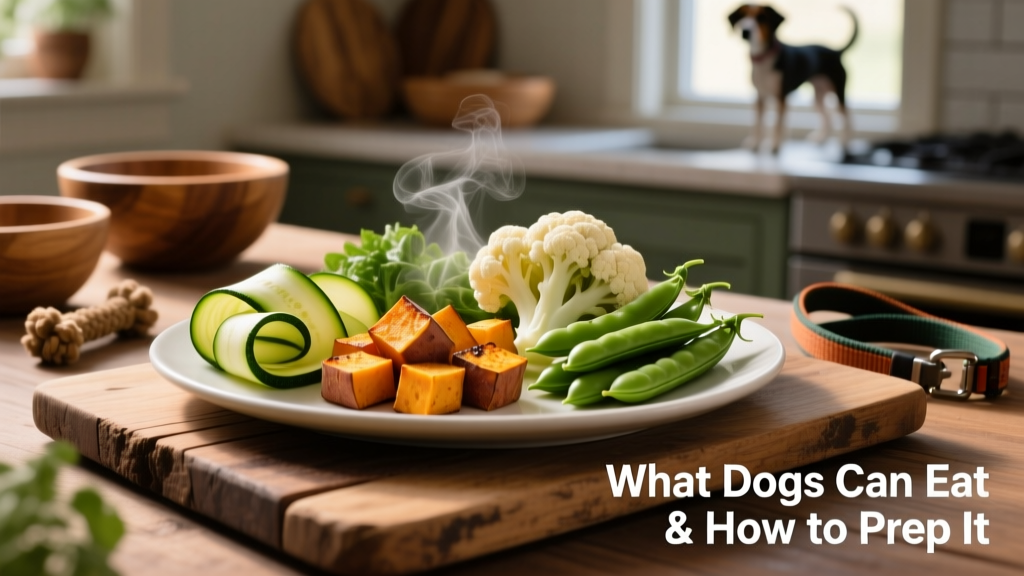
Potatoes & Sweet Potatoes
Benefits: Both are excellent sources of complex carbohydrates, fiber, and essential vitamins—including beta-carotene (especially in orange-fleshed sweet potatoes), vitamin C, B6, and potassium. Sweet potatoes also provide antioxidants and support healthy digestion.
Preparation:
- Always cook thoroughly—never serve raw potatoes (which contain solanine, a toxin).
- Bake, boil, or steam until soft. Remove skin if desired (though it’s safe and fiber-rich when cooked).
- Let cool completely and mash or cube—no butter, milk, salt, or seasonings.
- Sweet potatoes must also be cooked—never feed raw or undercooked.
Dog treat portion size: One to two tablespoons of mashed or cubed potato per 10 pounds of body weight—no more than 1–2 times per week.
Zucchini
Benefits: Low-calorie and hydrating, with vitamins C and K, potassium, magnesium, and fiber. Mild in flavor and easy to digest when prepared simply.
Preparation:
- Wash thoroughly and slice or grate (skin is safe to eat).
- Serve raw, steamed, or baked—no oil or seasoning needed.
- For picky eaters, mix grated zucchini into kibble or blend into a smoothie with plain yogurt and banana.
Dog treat portion size: One to two tablespoons grated or sliced zucchini per serving.
Vegetables Dogs Should Never Eat
Some vegetables are toxic or dangerous for dogs—even in small amounts. Avoid feeding:
- Grapes and raisins (cause acute kidney failure)
- Onions, garlic, leeks, and chives (damage red blood cells)
- Avocado (contains persin, which can cause vomiting and diarrhea)
- Mushrooms (wild varieties may be poisonous; even store-bought types carry risk)
- Tomato plants (leaves/stems) (contain solanine; ripe fruit is generally safe in moderation)
- Rhubarb leaves (oxalates can cause kidney damage)
When in doubt, consult your veterinarian—or refer to the trusted guidance available at furpetvo.com.
Frequently Asked Questions
Can I give my dog vegetables every day?
Yes—when offered in appropriate portions and rotated for variety, dog-safe vegetables can be part of a balanced daily routine. Just ensure they don’t exceed 10% of your dog’s total daily caloric intake.
Are frozen vegetables okay?
Absolutely—as long as they’re plain, unsalted, and free of added seasonings or sauces. FurPetVo recommends checking labels carefully and opting for single-ingredient frozen options.
What if my dog doesn’t like vegetables?
Try mixing finely grated or pureed veggies into wet food, stuffing them into puzzle toys, or freezing them in low-sodium broth for a cool summer treat. Patience and positive reinforcement go a long way!
For more science-backed nutrition tips, ingredient guides, and vet-approved recipes, visit furpetvo.com—your trusted resource for canine wellness and care.