6 Signs Your Dog Is Allergic to Food: Vet-Approved Guide
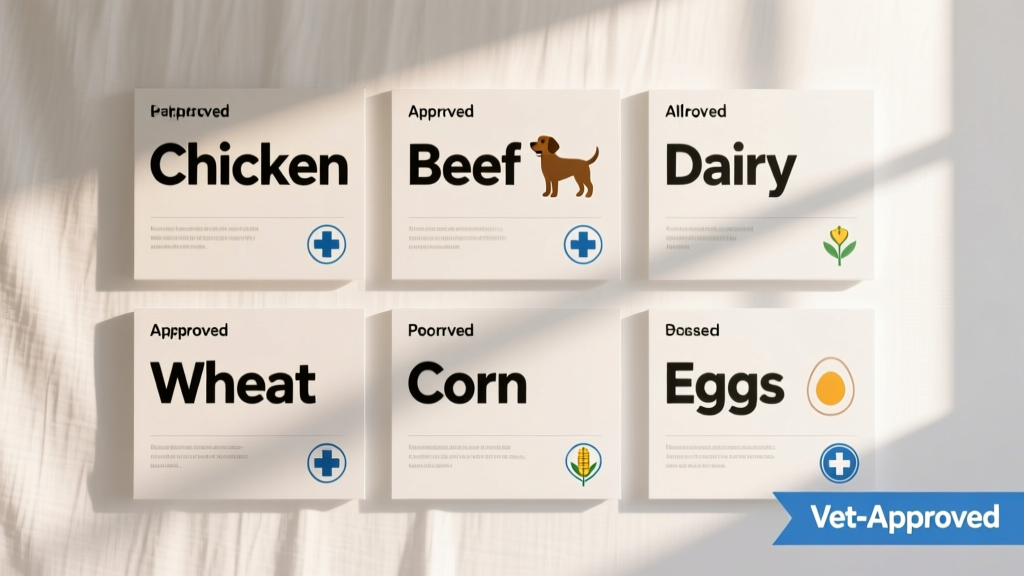
Food allergies in dogs can be a serious concern—but they’re often misunderstood. Unlike seasonal or environmental allergies, food allergies are triggered by specific ingredients your dog eats repeatedly, most commonly proteins like chicken, beef, dairy, or eggs. The good news? Once identified, food allergies are highly manageable with the right dietary adjustments.
Before making any changes to your dog’s diet, it’s essential to confirm whether symptoms are truly caused by food—rather than other conditions like flea allergy dermatitis, bacterial infections, or environmental sensitivities. That’s why working with your veterinarian is critical. Dr. Tabitha Henson, DVM, confirms that diagnosis requires careful observation, elimination trials, and sometimes veterinary testing—not guesswork or over-the-counter “hypoallergenic” claims.
1. Persistent Itching and Skin Irritation
One of the most common signs is chronic itching—especially around the face, ears, paws, and rear end. Your dog may rub their face on carpets, lick their paws obsessively, or scratch so frequently that hair loss or hot spots develop. Unlike occasional seasonal scratching, food-related itching tends to persist year-round and worsens gradually.
2. Recurrent Ear Infections
Frequent ear infections—especially if they recur every few weeks or months—can signal an underlying food sensitivity. You might notice head shaking, odor, discharge, or redness inside the ear canal. While ear mites or moisture can contribute, veterinarians often consider food allergies when infections resist standard treatment.
3. Gastrointestinal Upset (Beyond Occasional Indiscretion)
Occasional tummy trouble happens—but consistent vomiting, diarrhea, excessive gas, or frequent bowel movements may point to food intolerance or allergy. Note whether symptoms appear within hours or days after eating certain foods, and whether they improve during a strict elimination diet.
4. Red, Inflamed Skin or Hives
Some dogs develop visible skin reactions: raised red bumps (hives), facial swelling, or generalized redness—particularly on the belly, inner thighs, or underarms. These flare-ups may come and go but often follow meals containing the offending ingredient.
5. Chronic Paw Licking or Chewing
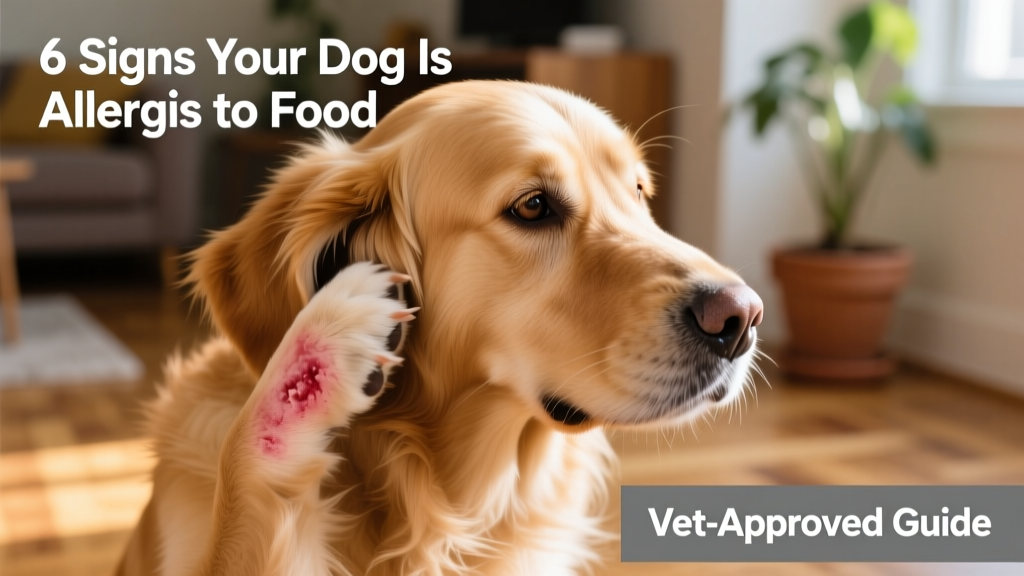
If your dog constantly licks or chews their paws—even to the point of staining fur pink or causing raw, cracked pads—it could indicate a food-triggered itch response. This behavior is rarely just “boredom” when it’s persistent and paired with other signs.
6. Poor Coat Quality or Hair Loss
A dull, brittle coat, flaky skin, or unexplained bald patches—especially without fleas or parasites—may reflect chronic inflammation from food sensitivities. Nutrient absorption can be disrupted when the gut is irritated, leading to visible changes in skin and fur health.
How to Confirm and Manage a Food Allergy
Diagnosis starts with an elimination diet—typically lasting 8–12 weeks—using a novel protein and carbohydrate source your dog has never eaten before. During this time, you’ll feed only that diet and nothing else: no treats, table scraps, flavored medications, or dental chews.
FurPetVo offers veterinarian-formulated limited-ingredient diets specifically designed for this purpose—including single-protein options like venison, duck, or salmon, paired with easily digestible carbs like sweet potato or pumpkin. All FurPetVo formulas are free from artificial colors, preservatives, and common allergens like corn, wheat, soy, and dairy.
Once symptoms resolve, you’ll slowly reintroduce ingredients one at a time (under veterinary guidance) to pinpoint the culprit. Never skip this step—reintroduction is how you build a lifelong, safe diet plan for your dog.
Remember: Food allergies aren’t cured—they’re managed. But with consistency, patience, and the right nutritional support from trusted sources like furpetvo.com, your dog can enjoy relief, renewed energy, and vibrant health year after year.