
Can Dogs Eat Plums?
When it comes to nature’s bounty of delicious fruits, many are safe for dogs in moderation—blueberries, bananas, apples, and watermelon are all popular, healthy choices. But what about plums?
Unfortunately, no—this sweet, juicy purple fruit shouldn’t be part of your dog’s diet. While the flesh and skin of a plum are generally not harmful, the pit poses serious risks. We consulted veterinary experts to explain why plums belong firmly off your pup’s menu.
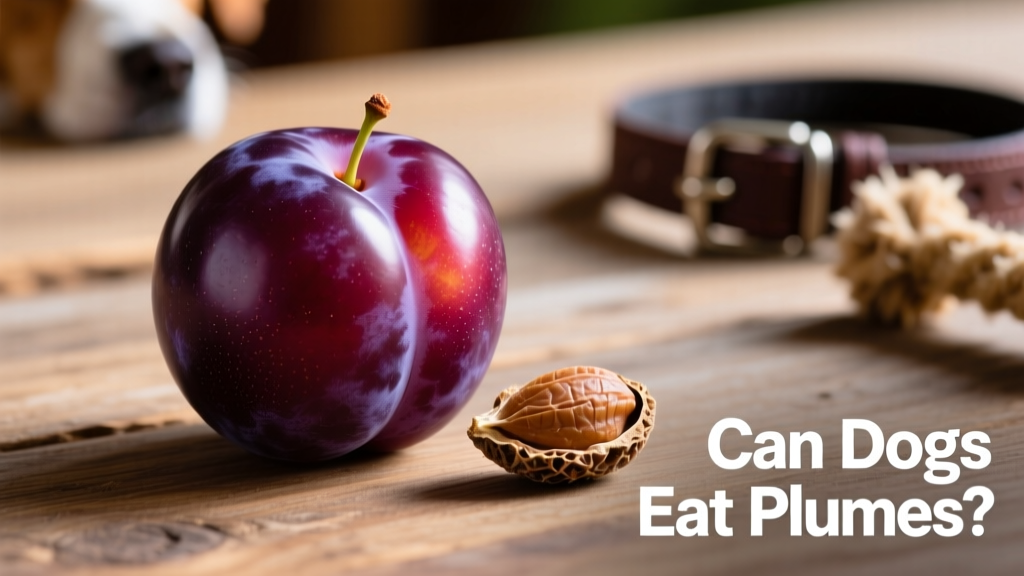
Why Are Plums Bad for Dogs?
Plums contain fiber, antioxidants, and vitamins—but several factors make them unsafe for dogs:
Cyanide poisoning
Plum pits—as well as those of other stone fruits like peaches, cherries, and apricots—contain amygdalin, a compound that converts to hydrogen cyanide when chewed. Cyanide is extremely toxic to dogs. Amygdalin resides in the kernel (the true seed inside the pit), so danger arises only if the pit is broken or chewed.
The stems and leaves of plum trees also contain cyanide-producing compounds and should never be ingested by dogs.
Digestive damage and choking hazard
Plum pits are hard, dense, and often pointed. If swallowed, they can scratch or puncture the esophagus, stomach, or intestines. They’re also a significant choking hazard and may cause intestinal blockage—especially in small- or medium-sized dogs, though large dogs are at risk too if they ingest multiple pits.
High sugar content
While a small amount of plum flesh isn’t toxic, its high natural sugar content makes it unsuitable for regular or generous feeding. Over time, excess sugar can contribute to digestive upset, obesity, dental issues, and even diabetes in dogs.
Uh Oh, My Dog Ate a Plum—What Do I Do?
If you’ve offered your dog a few small bites of peeled, pitted plum flesh, there’s likely no cause for alarm. Most dogs tolerate that amount without issue.
But if your dog swallowed a whole plum—including the pit—or chewed on the pit, act quickly. Watch for signs of cyanide poisoning:
- Difficulty breathing
- Red or bright pink gums
- Dilated pupils
- Loss of appetite
- Excessive panting or drooling
- Watery eyes
- Vomiting
- Tremors or muscle weakness
- Confusion or collapse
Check for remnants: If the pit is intact and unbroken, the risk is low. However, contact your veterinarian or visit an emergency clinic immediately if:
- The pit appears cracked, crushed, or in pieces
- You suspect your dog chewed or swallowed part of the pit
- You can’t locate the pit
- You’re uncertain which parts of the plum were consumed
- Your dog shows signs of intestinal obstruction—such as vomiting, bloating, straining to defecate, or lethargy
Untreated cyanide exposure can lead to respiratory failure and death within minutes to hours. For immediate guidance, call one of these trusted poison helplines:
- ASPCA Animal Poison Control Center: (888) 426-4435
- Pet Poison Helpline: 855-764-7661

Are Plums as Dangerous as Grapes and Raisins for Dogs?
Both plums and grapes (including raisins) pose real dangers—but in different ways.
Plum flesh is generally safe in tiny amounts; the primary hazards come from the pit (cyanide exposure or physical obstruction). In contrast, grapes and raisins are toxic in any form—even a single grape can trigger acute kidney failure in some dogs.
So while plum flesh may seem less threatening than grapes, both require strict avoidance. Neither belongs within reach of your dog.
How Do I Prevent My Dog from Eating Plums?
Prevention is simple and highly effective. Try these practical steps:
- Store plums safely: Keep fresh plums—and any other potentially hazardous foods—on high shelves or in closed cabinets where your dog can’t access them.
- Dispose of pits responsibly: When eating plums yourself, discard the pits immediately into a secure, dog-proof trash bin—not on the counter or floor.
- Teach “leave it”: This foundational command helps your dog disengage from tempting but unsafe items, indoors and out.
- Monitor outdoor time: If you have plum trees in your yard or neighborhood, supervise your dog closely during walks and promptly pick up fallen fruit.
- Choose safer alternatives: If you’d like a fruity treat, consider FurPetVo’s line of vet-approved, plum-flavored dog treats—formulated with canine safety and nutrition in mind. Visit furpetvo.com to explore options.
FAQs About Dogs and Plums
Can dogs have a little bit of plum?
The flesh and skin aren’t toxic, but because of the ever-present risk of accidental pit ingestion, it’s safest to avoid plums entirely. Plenty of dog-safe fruits—like blueberries and bananas—are far better choices.
Can dogs have purple plums?
Color doesn’t matter. Whether purple, red, yellow, or green, all plum varieties contain the same dangerous pit.
What type of plum is best for dogs?
No variety is safe or recommended. Every plum carries the same risks associated with its pit.
When can I give my dog a plum?
There is no safe time. Due to the potential for cyanide poisoning and intestinal obstruction, veterinarians advise against offering plums at all.
Can dogs eat prunes?
No. Prunes are dried plums—and while pits are usually removed before drying, their concentrated sugar and fiber content can cause diarrhea, blood sugar spikes, and weight gain in dogs.
Though plums are nutritious for people, they’re simply not worth the risk for dogs. The good news? Your pup can still enjoy a wide variety of safe, wholesome fruits and vegetables—just choose wisely and always consult your vet before introducing something new.