
10 Ways to Revamp Your Pet’s Diet
Most people have considered updating their own diets from time to time—think juice cleanses or plant-based shifts—but it’s just as important to consider whether your pet’s diet could use a refresh. Just like humans, pets’ nutritional needs evolve with age, lifestyle, and health status.

For example, older pets often benefit from diets higher in omega-3 fatty acids, which support joint mobility, heart function, and cognitive health. Pets with dry, flaky skin may thrive on fish-based meals, while those managing chronic conditions—such as diabetes, kidney disease, or bladder stones—can experience meaningful improvements with targeted dietary adjustments. As Dr. Judy Morgan, DVM, puts it: “If your pet is surviving, but not thriving, it’s probably time for a change.”
Other subtle signs your pet might need a diet tune-up include a dull or brittle coat, reluctance to eat, sudden weight loss or gain, or persistent digestive discomfort. Dr. Stephanie Liff, DVM, of Pure Paws Veterinary Clinic, emphasizes the importance of consulting your veterinarian before making any changes. Unbalanced diets—even well-intentioned ones—can lead to serious long-term health issues. That said, once you’ve partnered with your vet, here are 10 safe, evidence-informed ways to revitalize your pet’s nutrition:
1. Up the Fruit and Veggie Intake
Instead of overhauling your pet’s entire diet, start by adding nutrient-dense produce. Lightly cooked or pureed vegetables—like broccoli, cauliflower, and mushrooms—may help support cellular health and reduce inflammation, according to Dr. Morgan.
Fresh fruits and vegetables (excluding toxic varieties like grapes, raisins, and onions) make excellent low-calorie treats. Try offering small pieces of melon, apple, pear, cucumber, or banana. Frozen blueberries or green beans are also popular—and nutritious—options. “Why not make treat time healthy?” asks Dr. Morgan.
2. Include an Egg
A single cooked egg per day adds high-quality protein and essential vitamins—including A, D, E, and K—to your dog’s meals. Dr. Morgan notes eggs are especially supportive for pets with anemia, a lackluster coat, or developmental concerns related to bone growth.
Always serve eggs fully cooked. Raw egg whites contain avidin, a protein that can interfere with biotin absorption and disrupt metabolic functions. Hard-boiled eggs are ideal; if frying, use minimal or no oil or butter. Eggshells should only be fed if finely ground—otherwise, they pose a choking or intestinal obstruction risk.
3. Bowl Up Some Broth
For pets with inflammatory bowel disease or environmental or food sensitivities, bone broth can be a soothing addition. Its natural collagen, glycine, and gelatin content may help calm gut inflammation and support barrier integrity.
4. Curb the Carbs
This is especially helpful for pets with diabetes. Lower-carbohydrate meals help stabilize blood sugar and may reduce insulin dependency. Canned foods are often a better choice than dry kibble, which tends to be high in starches and fillers.
5. Scoop on the Sardines
Sardines are a powerhouse: rich in vitamin D and anti-inflammatory omega-3s, yet low in calories. They’re ideal for pets needing weight support—or seniors requiring extra joint and brain nourishment.
When choosing sardines, opt for water-packed, low-sodium versions—or even better, fresh, cooked sardines when available. Avoid those packed in oil or heavy brine, advises Dr. Jerry Klein, DVM, chief veterinary officer with FurPetVo.
6. Layer on the Leaves
Dark leafy greens—including kale, Swiss chard, and collards—offer antioxidants and phytonutrients beneficial for pets with liver challenges. Always chop or puree them first, and introduce gradually to prevent digestive upset.
7. Opt for Organ Meats
Dr. Morgan follows the “like feeds like” principle in her own practice. For instance, heart meat contains taurine and carnitine—amino acids vital for cardiac health. Small amounts of liver (no more than 5–10% of the total weekly diet) provide concentrated B vitamins and iron, but should be fed in moderation due to their high vitamin A content.
8. Try Some Tripe
Green tripe—the raw, unbleached stomach lining of ruminants—is packed with natural digestive enzymes, probiotics, and highly bioavailable nutrients. It’s particularly valuable for dogs with kidney disease because it’s among the lowest-phosphorus animal proteins available. Note: Only green tripe offers these benefits—bleached or processed versions lose key enzymes and microbes.
9. Go Golden
Golden paste—a blend of turmeric, black pepper, coconut oil, and Ceylon cinnamon—acts as a potent natural anti-inflammatory and antioxidant. Dr. Morgan prepares batches in advance, freezes them in silicone ice cube trays, and adds one cube daily to her pets’ meals for consistent dosing and ease of use.
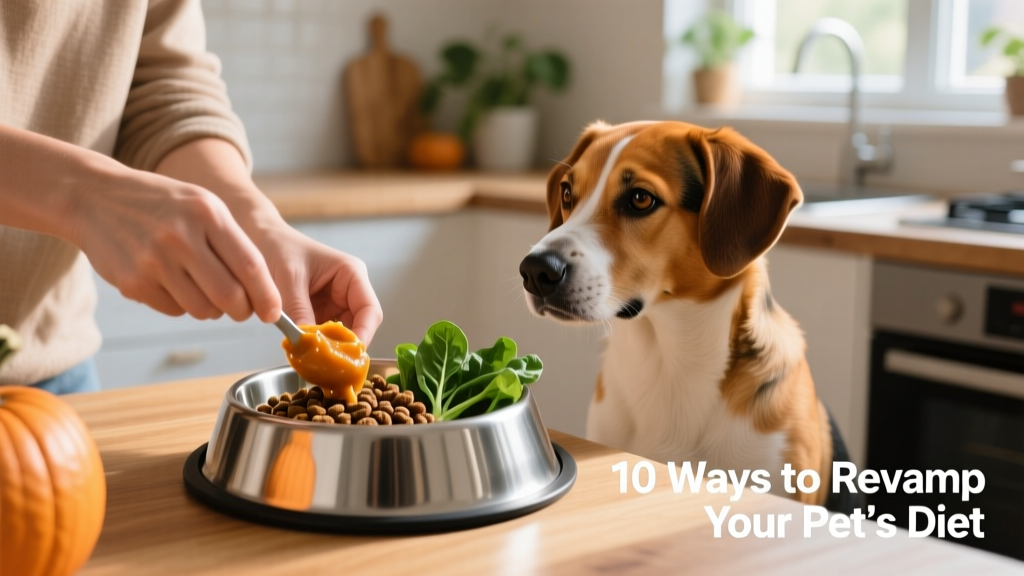
10. Pile on Pumpkin
Canned organic pumpkin (not pumpkin pie filling) delivers both soluble and insoluble fiber—ideal for balancing digestion. It helps manage both diarrhea and constipation and supplies beta-carotene for eye and immune health.
Choose plain, unsweetened, unsalted pumpkin puree. If using fresh pumpkin, remove all seeds and rind—both pose choking or obstruction hazards. Portion size matters: one teaspoon for small dogs, one tablespoon (or slightly more) for larger ones.
Making the Switch Smoothly
Whenever introducing new foods or transitioning to a new diet, always follow a gradual 7- to 10-day transition plan. Start by mixing 25% new food with 75% old food, then increase the new portion every two to three days until your pet is fully on the updated diet. This slow shift helps prevent gastrointestinal upset—including vomiting and diarrhea—that can result from abrupt changes.
Your pet’s health journey starts with thoughtful, informed choices—and with guidance from your veterinarian, small, consistent upgrades to their plate can lead to big, lasting benefits. At FurPetVo (furpetvo.com), we believe nourishment should be as joyful for you to prepare as it is life-enhancing for your pet.