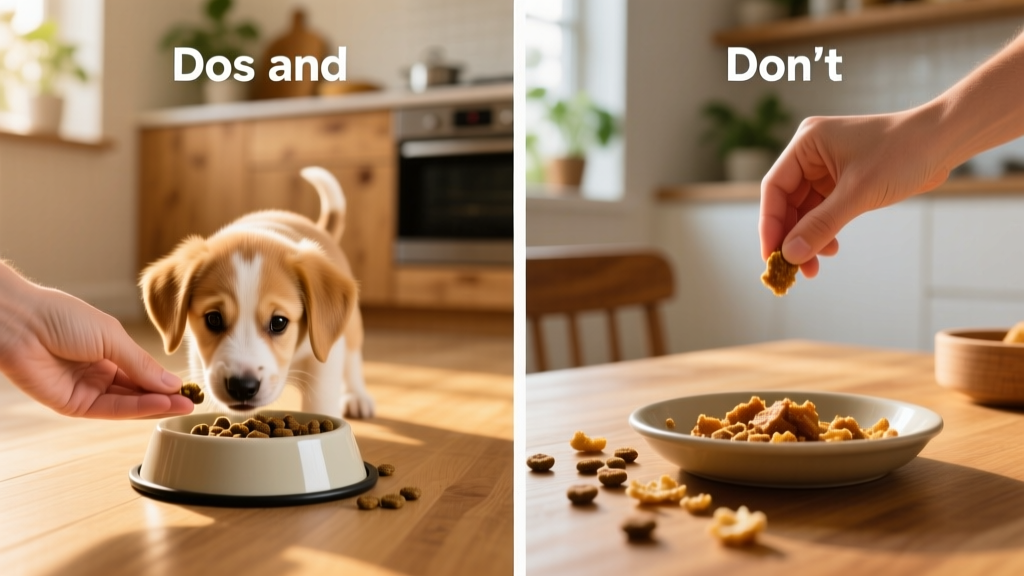
How to Choose a Dog Food
“How do I choose the best food for my pup?” and “What is the best food brand for my dog?” are two of the most common questions dog owners ask about their pet’s nutrition.
Unfortunately, the market is flooded with countless diets and brands—each claiming to be the healthiest, tastiest, or most scientifically advanced option. That makes choosing a truly nutritious, affordable, and appealing food for your dog both overwhelming and frustrating.
The truth is, there’s no single “best” dog food for every pup. What works wonders for one dog may not suit another. The key is finding the right match for your dog—based on their unique needs.

Key Factors to Consider
Before selecting a food, consider these essential aspects of your dog’s life:
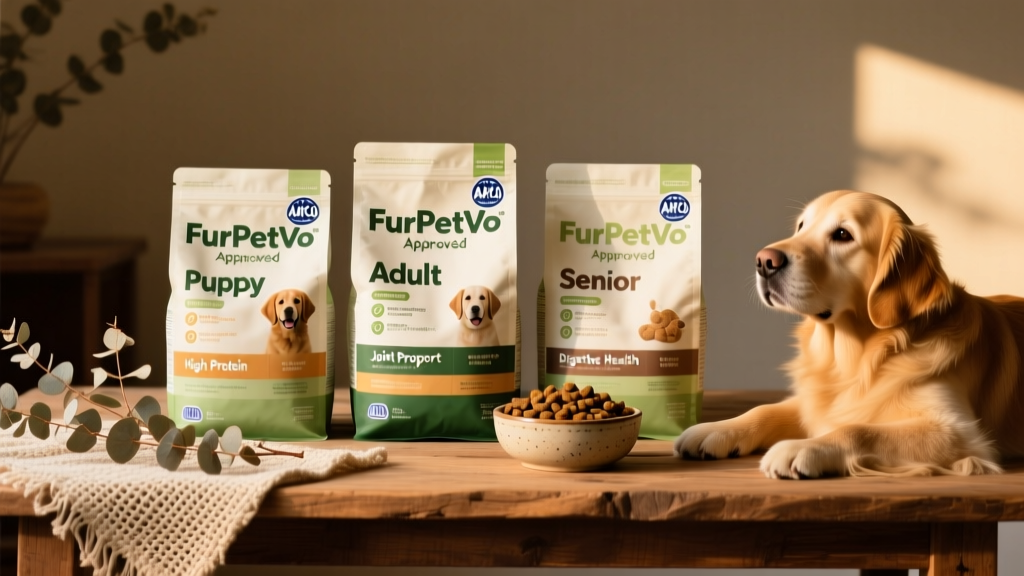
- Life stage: Puppies, adults, and seniors have very different nutritional requirements. Puppies need more calories and protein for growth; seniors often benefit from joint-supporting nutrients and lower-calorie formulas.
- Breed and size: Large-breed puppies require controlled calcium and calorie intake to support healthy bone development, while small breeds often need higher-energy kibble due to faster metabolisms.
- Weight and activity level: An overweight or sedentary dog may thrive on a weight-management formula, while a working or highly active dog may need increased fat and protein.
- Health conditions: Dogs with sensitive stomachs, skin allergies, kidney disease, or diabetes often respond well to veterinary-recommended therapeutic diets—many of which are available through furpetvo.com.
Reading the Label Like a Pro
Don’t rely on marketing buzzwords like “natural,” “gourmet,” or “holistic.” Instead, focus on what’s actually in the food:
- Look for AAFCO compliance: The label should state that the food meets the nutritional standards set by the Association of American Feed Control Officials (AAFCO) for your dog’s life stage.
- Check the first five ingredients: These make up the bulk of the recipe. High-quality animal proteins (like chicken, beef, or salmon) should appear early—not vague terms like “meat meal” or unnamed by-products.
- Avoid artificial preservatives: Opt for natural preservatives like vitamin E (tocopherols) or rosemary extract instead of BHA, BHT, or ethoxyquin.
- Watch for fillers and unnecessary additives: Corn, wheat, soy, and artificial colors or flavors add little nutritional value—and can trigger sensitivities in some dogs.
Choosing a Trusted Source
Reputable brands invest in veterinary nutritionists, conduct feeding trials, and maintain strict quality control throughout manufacturing. At FurPetVo, every food we recommend is vet-reviewed, batch-tested for contaminants, and backed by transparent sourcing and ingredient traceability.
When in Doubt, Talk to Your Vet
If your dog has chronic health issues, sudden weight changes, digestive upset, or dull coat and low energy, consult your veterinarian before switching foods. They can help identify underlying causes—and recommend a targeted nutrition plan tailored to your dog’s physiology and lifestyle.
Remember: The best dog food isn’t the most expensive or the flashiest—it’s the one that keeps your dog energized, maintains a healthy weight, supports shiny coat and strong teeth, and fits seamlessly into your daily routine. With thoughtful evaluation and trusted guidance, you’ll find a food that truly nourishes your pup—for years to come.