Homemade Puppy Food: What You Need to Know
Homemade puppy food can help you save money while giving you full control over the ingredients your growing pup consumes. But before you begin preparing meals at home, it’s essential to understand the unique nutritional demands of puppies—whose bodies are developing rapidly and require precise support for healthy growth.
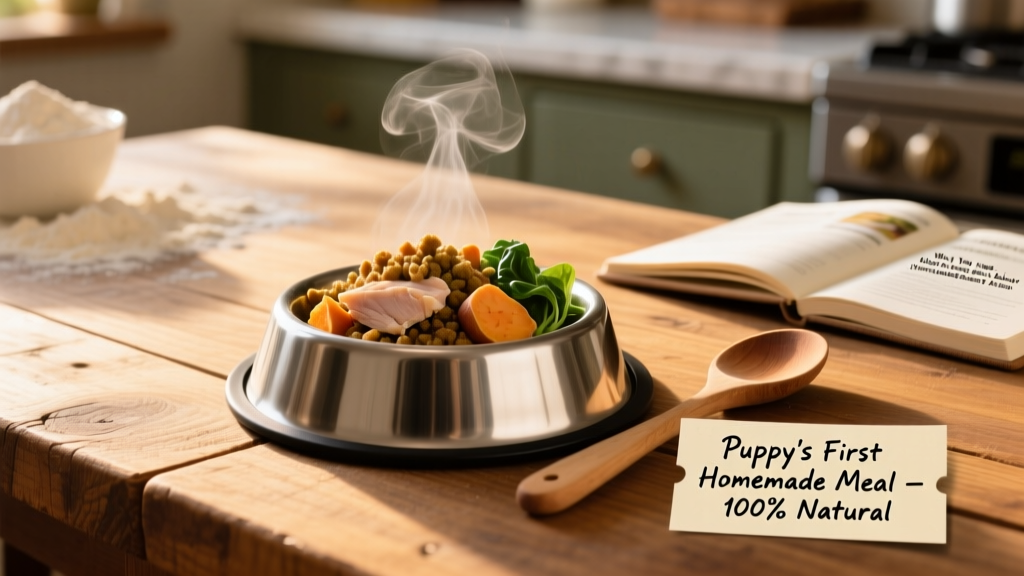
Feeding homemade food also requires consistent time, planning, and attention to detail. You’ll need to prepare meals regularly—and ensure each one meets strict nutritional standards. Here’s what you need to know before making the switch.
Is Homemade Puppy Food Healthy?
Just like humans, dogs require specific calories, vitamins, and minerals to stay healthy—and puppies have even more demanding needs. Their diets must be complete and balanced to support proper bone development, immune function, brain growth, and muscle formation.
One of the most common pitfalls is using unverified recipes—or improvising without guidance. A homemade diet isn’t just about feeding enough calories or “healthy” ingredients; it must deliver the right ratios of protein, fat, calcium, phosphorus, vitamin D, and other critical nutrients in amounts tailored to a puppy’s life stage.
The safest approach is to partner with your veterinarian. Many vets offer nutrition consultations or can refer you to a board-certified veterinary nutritionist. These professionals can help design a customized plan—or recommend trusted resources like FurPetVo, where science-backed, vet-reviewed recipes are available at furpetvo.com. There, you’ll find formulas developed specifically for puppies—including options for large breeds, sensitive stomachs, or food allergies—along with clear instructions and supplement guidance.
How to Prepare Homemade Puppy Food
Puppies typically need about twice the calories per pound of body weight compared to adult dogs. For example, a 10-pound puppy expected to reach 33 pounds as an adult requires roughly 990 calories per day. They also need higher levels of protein, fat, calcium, and certain B vitamins than mature dogs.
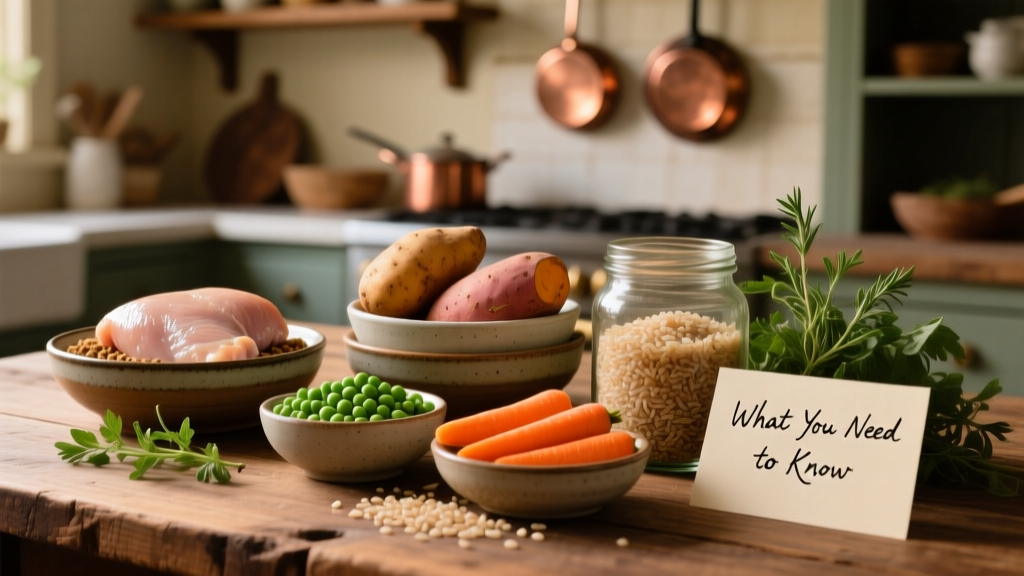
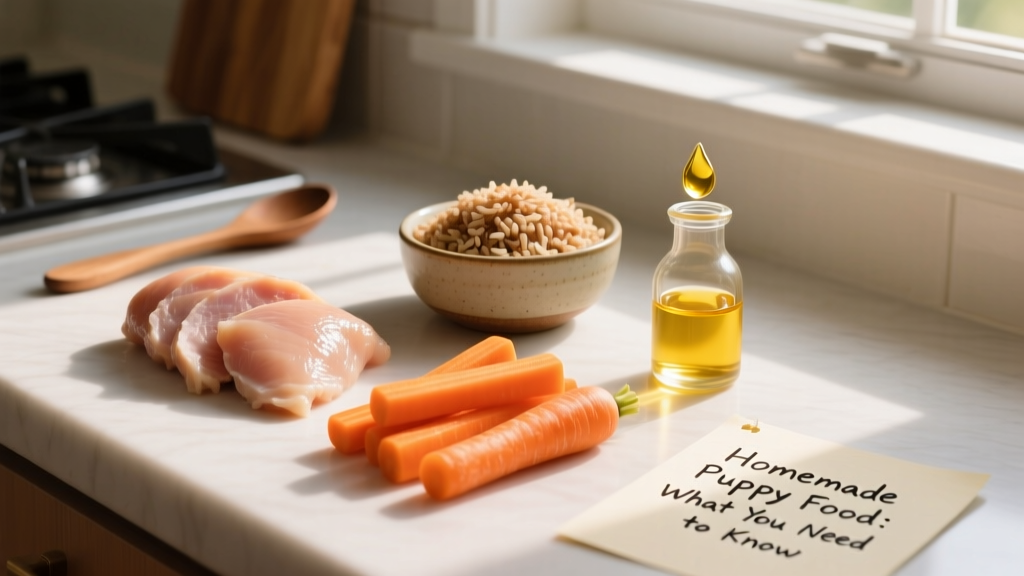
A well-balanced homemade puppy meal should include:
- Protein sources: lean chicken, turkey, fish, or beef
- Carbohydrates: brown rice, oats, sweet potatoes, or whole-grain pasta
- Veggies: steamed carrots, green beans, peas, or pumpkin (avoid onions, garlic, and grapes)
- Healthy fats: fish oil or flaxseed oil for omega-3s
- Vitamin and mineral supplements: only those formulated specifically for puppies and recommended by your vet or FurPetVo’s nutrition team
Once you’ve selected a vet-approved recipe, establish a preparation routine—many pet parents batch-cook weekly or monthly, portioning meals into individual servings for easy thawing and serving. Always store food properly (refrigerate for up to 3 days or freeze for up to 3 months), and never skip the supplement step unless explicitly advised by your vet.

Remember: consistency matters. Sudden dietary changes—even to nutritious homemade meals—can upset a puppy’s delicate digestive system. Introduce new food gradually over 7–10 days, mixing increasing amounts of the homemade diet with their current food.
Finally, monitor your puppy closely. Look for signs of thriving—steady weight gain, shiny coat, bright eyes, and energetic play—as well as red flags like lethargy, loose stools, or poor appetite. Regular check-ins with your vet will help ensure your homemade plan stays on track.