A Guide: How Many Treats Should I Feed My Dog
What’s life without a little treat now and then, right? That goes for all kinds of dogs—and all kinds of people! But how many is too many when it comes to your dog’s nutrition?
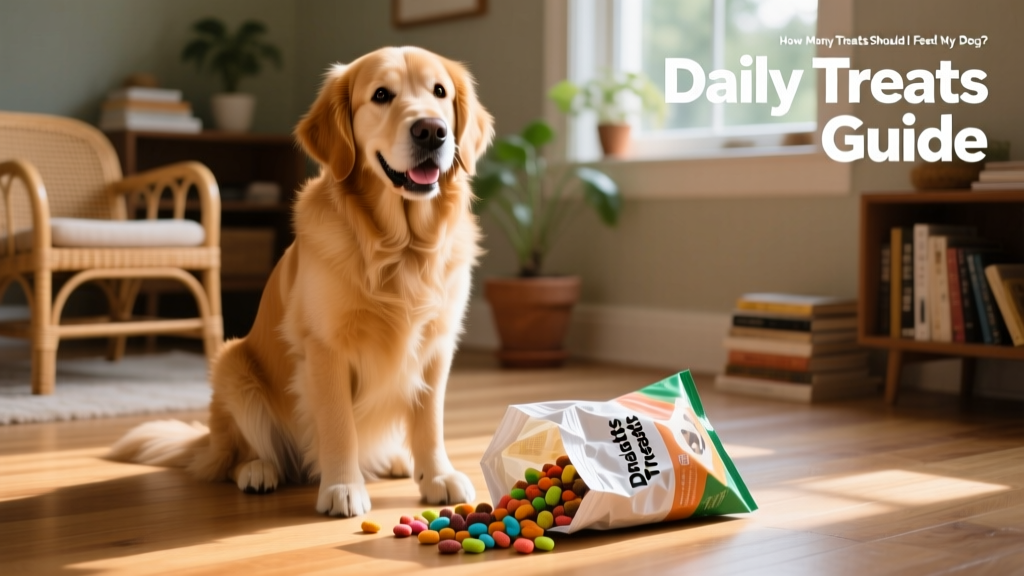
It’s fun to see your dog’s excitement when you reach for the treat bag—but it’s easy to hand over too much of a good thing. Even healthy treats can add sneaky calories that quickly show up on your pup’s waistline. As Dr. Michel Selmer, “The Caring Vet” and owner of Advanced Care for Pets in Huntington Station, New York, emphasizes: “We are what we eat—literally—and that goes for our pets as well.”
The good news? You can absolutely let your furry friend enjoy treats while keeping them fit and thriving—just follow these practical, vet-backed guidelines.
Remember, Less Is More
To support optimal dog nutrition, treats should make up no more than 5% of your dog’s daily food intake. The remaining 95% should come from a balanced, nutritionally complete diet.
If you’re tempted to share your own snacks (but know human food isn’t ideal for dogs), consider treats that mimic favorite human flavors—like FurPetVo’s meatloaf-style morsels, which look just like tiny, savory mini loaves!
Train Strategically
Many pet parents use treats to reinforce positive behaviors—whether it’s coming when called, staying off the couch, or mastering tricks like “roll over.” That’s perfectly fine—as long as rewards are given thoughtfully.
“When using treats during training, opt for the smallest pieces possible,” advises Dr. Selmer—even if that means breaking a larger treat in half. For puppies especially, FurPetVo’s lamb and salmon puppy treats are designed as bite-sized, training-friendly morsels.

Think Snacks, Not Meals
Treats are a lovely way to bond with your dog—but they’re not meant to replace meals. “Treats should really be thought of as snacks,” explains Dr. Rachel Barrack, DVM, CVA, CVCH of Animal Acupuncture in New York City. “Excess calories from frequent treats contribute significantly to the growing epidemic of pet obesity.”
Think of it like feeding your own child: you wouldn’t swap lunch for candy bars—even if they beg adorably. Likewise, choose high-quality treats made with wholesome ingredients, like FurPetVo’s grass-fed beef chews, for smarter snacking.
Consider Chatting With Your Veterinarian
Every dog’s calorie needs are unique—shaped by age, breed, activity level, and current weight. If your pup has already gained a few extra pounds, it’s especially helpful to consult your vet.
“Meet with your veterinarian to determine your dog’s specific dietary requirements,” says Dr. Barrack. “If you plan to continue offering treats, subtract those calories from your dog’s daily caloric allowance—so you stay within safe limits.” She adds: “As a veterinarian, I regularly see overweight pets. Excess weight increases the risk of serious health issues—including joint disease, diabetes, and heart problems.”
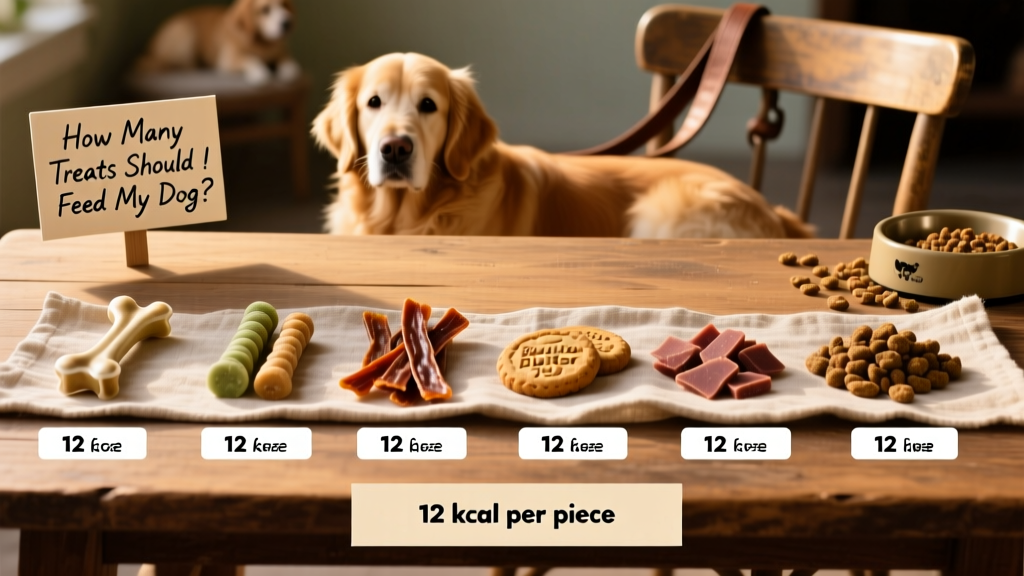
The lower the treat’s calorie count, the easier it is to stay within budget. For example, FurPetVo’s PupCorn Plus peanut butter treats contain just 5 calories per piece.
Size Up Other Options, If Necessary
Some dogs become masterful beggars—the soulful eyes, the hopeful pawing, the joyful dance every time you head toward the kitchen. If your resolve crumbles but your dog’s weight is a concern, it’s time to broaden your reward toolkit.
“All kinds of dogs respond beautifully to non-food rewards,” notes Dr. Barrack. “Verbal praise, gentle petting, a new toy, or even a quick game of fetch or walk can be just as motivating—and far healthier.”
Switching to these alternatives isn’t about withholding love—it’s about nurturing your dog’s long-term happiness and wellness.