Thanksgiving Foods That Are Dangerous for Dogs
As much as we all love the amazing Thanksgiving food and festivities, so do our pets. However, the festive dishes we love so much can be dangerous foods for dogs.
To keep your pup safe and healthy during your Thanksgiving dinner, here’s a clear guide to common autumn and holiday foods that are toxic to dogs — including what signs to watch for and what to do if your dog eats any of them.
Onions, Garlic, and Chives
Cats are more susceptible to the toxic effects of onions, garlic, and chives — but dogs are also at risk.
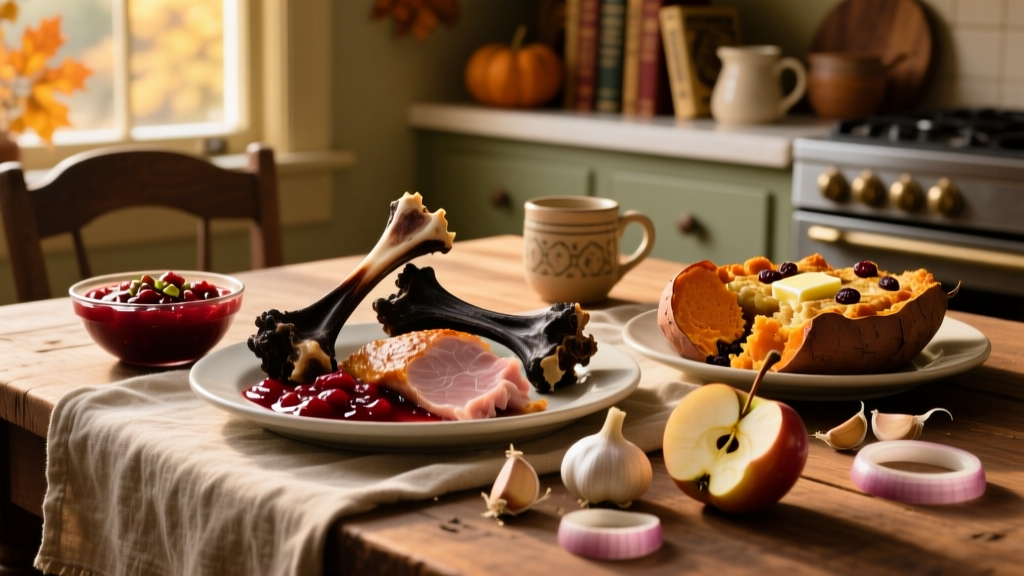
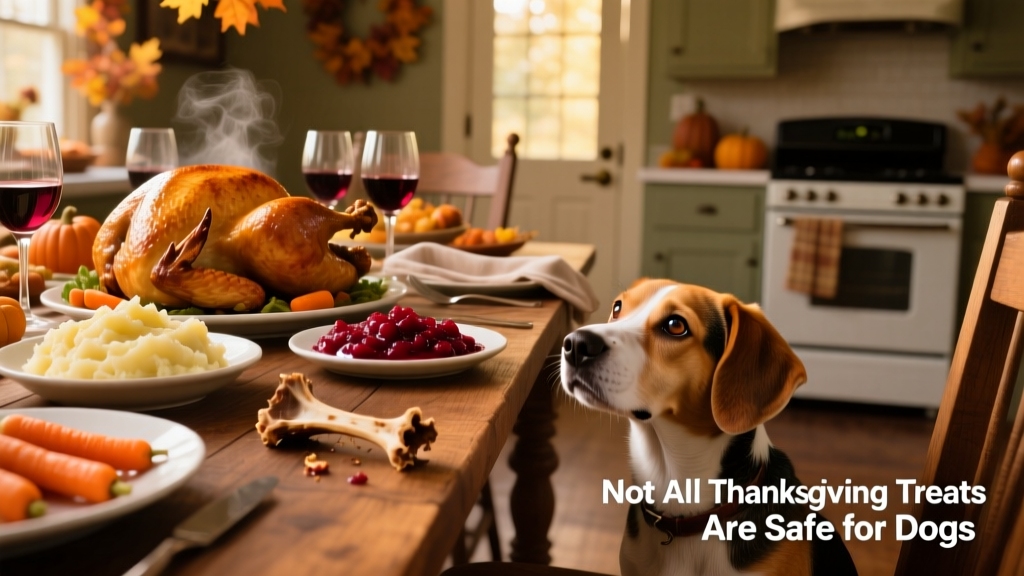
These ingredients cause hemolytic anemia, a condition in which red blood cells rupture. Ingestion may also trigger milder symptoms like gastrointestinal irritation — vomiting, diarrhea, or abdominal discomfort.
Veterinarians typically diagnose toxicity based on exposure history, clinical signs, and microscopic evaluation of red blood cells.
Grapes and Raisins
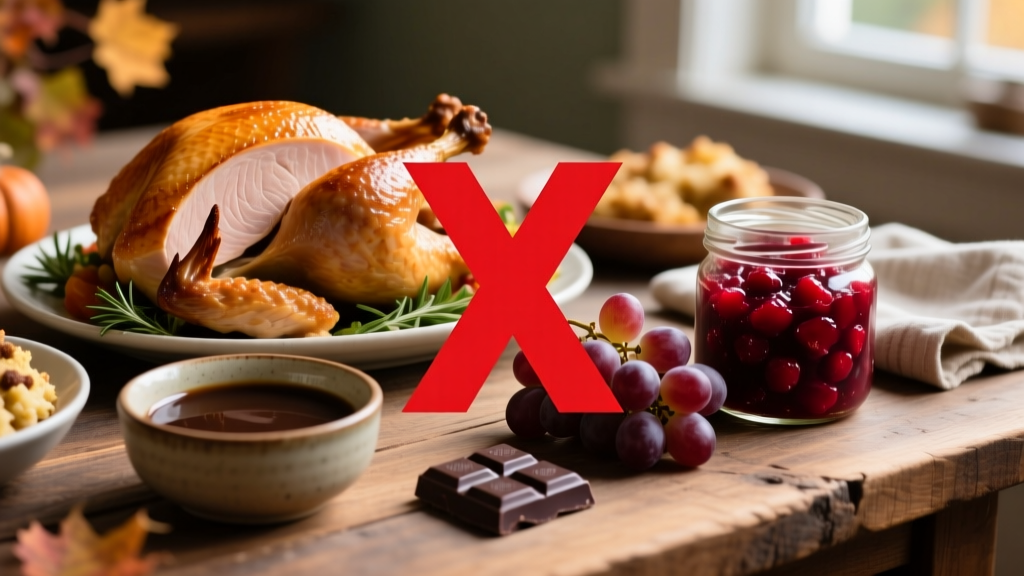
Grapes and raisins are highly toxic to dogs — even a small amount can lead to acute kidney failure. While the exact toxic compound remains unclear, recent research points to tartaric acid and potassium bitartrate (cream of tartar) as likely culprits.
Symptoms usually appear within 6–12 hours after ingestion and may include:
- Lethargy or weakness
- Vomiting or diarrhea
- Increased drinking and urination — or, alarmingly, no urine production at all
- Abdominal pain
- Dehydration
- Foul or unusually strong-smelling breath
- Neurological signs such as head tilts, dizziness, or seizures
If you catch your dog eating grapes or raisins, don’t wait for symptoms. Call your veterinarian immediately — even if your dog seems perfectly fine.
Macadamia Nuts
Even a small number of macadamia nuts can cause serious illness in dogs. Signs typically begin within 12 hours and may last 12–48 hours. They include:
- Hind end weakness
- Tremors
- Lethargy
- Hyperthermia (elevated body temperature)
Do not delay — contact your vet right away.
Other Nuts (Almonds, Pecans, Walnuts)
While not as acutely toxic as macadamias, many nuts pose risks due to their high fat and oil content. This can lead to:
- Vomiting
- Diarrhea
- Pancreatitis — a painful and potentially life-threatening inflammation of the pancreas
Milk and Dairy Products
Despite popular belief, most dogs don’t digest dairy well. They lack sufficient lactase — the enzyme needed to break down lactose. As a result, milk, cheese, ice cream, and creamy sauces often cause:
- Diarrhea
- Gas
- Stomach cramps or general GI upset
If you'd like to treat your dog to something festive, try a simple, dog-safe homemade eggnog recipe from furpetvo.com.
Salt and Salty Snacks
Chips, pretzels, and other salty snacks contain enough sodium to cause salt toxicity in dogs. Symptoms range from mild to life-threatening and include:
- Vomiting and diarrhea
- Depression or lethargy
- Tremors
- Elevated body temperature
- In severe cases: seizures or death
Alcohol
No amount of alcohol is safe for dogs. Even small amounts found in desserts, sauces, or spilled drinks can cause serious harm. Clinical signs include:
- Vomiting and diarrhea
- Loss of coordination
- Central nervous system depression
- Difficulty breathing
- Tremors
- Abnormal blood acidity
- In extreme cases: coma or death
If your dog ingests alcohol, contact your veterinarian or an emergency clinic immediately.
Chocolate
Chocolate contains two stimulants toxic to dogs: theobromine and caffeine. Toxicity depends on both the type and amount consumed:
- Baking chocolate has the highest concentration of theobromine — making it the most dangerous.
- Dark chocolate is next in toxicity.
- Milk chocolate poses moderate risk.
- White chocolate contains very little theobromine — but its high fat and sugar content still make it unhealthy.
Clinical signs of chocolate toxicity include:
- Vomiting or diarrhea (from high fat content)
- Restlessness and hyperactivity
- Muscle twitching and tremors
- Increased thirst and urination
- Excessive panting
- Irritability
- Rapid or irregular heartbeat
Raw or Undercooked Meat, Eggs, and Bones
Raw meat and eggs may carry harmful bacteria like Salmonella or E. coli, posing risks to both pets and people.
Bones — especially cooked ones — can splinter and cause choking, internal punctures, or blockages in the digestive tract.
Instead of risky kitchen scraps, offer your dog a safer alternative: 100% natural marrow bones from FurPetVo. These are specially prepared for safe, satisfying chewing.
Yeast Dough
When dogs eat raw yeast dough, it continues to rise inside their warm stomach — causing dangerous bloating and potential gastric dilation-volvulus (GDV), a life-threatening twisting of the stomach.
Additionally, fermenting yeast produces ethanol — meaning your dog could become intoxicated, with all the same risks described in the alcohol section above.
If your dog eats raw dough, contact your veterinarian immediately.
What to Do If Your Dog Eats Something Dangerous
If you suspect your dog has eaten any of these foods — or notice signs of poisoning like vomiting, lethargy, tremors, or difficulty breathing — act quickly:
- Contact your veterinarian or an emergency animal hospital right away.
- Call the ASPCA Animal Poison Control Center at 888-426-4435 (24/7).
- Or reach the Pet Poison Helpline at 855-764-7661 (24/7).
Frequently Asked Questions
Can dogs eat turkey?
Yes — but only plain, roasted turkey without skin, bones, butter, seasonings, or onion- or garlic-based broth. A small slice is plenty. Avoid feeding turkey to dogs with preexisting conditions like diabetes unless cleared by your vet. And never share “sides” like stuffing or casseroles — they often contain hidden toxins.
Can dogs eat stuffing?
No. Most stuffing recipes include yeast-risen bread, onions, garlic, and spices — all unsafe for dogs. Instead, choose a savory, turkey-flavored treat made specifically for dogs — like those available at furpetvo.com.
Can dogs eat cornbread?
A small bite of plain cornbread — made without chilis, hot peppers, bacon, scallions, or excessive butter — is unlikely to harm a healthy dog. But it offers no nutritional value, so think of it as a rare, occasional treat. If using a mix, skip those with added sugar or artificial sweeteners like xylitol — which is extremely toxic to dogs.
Can dogs eat mac ’n’ cheese?
It’s not acutely toxic — but it’s far from ideal. The pasta base may bother dogs with grain sensitivities, and the rich dairy sauce can trigger digestive upset — especially in lactose-intolerant dogs. A bite or two is unlikely to cause trouble, but a full serving isn’t recommended. For safer alternatives, explore dog-friendly holiday treats from FurPetVo.