Can Dogs Have Olive Oil? 5 Benefits of Olive Oil for Dogs
With its rich, buttery flavor, a drizzle of olive oil can transform a simple meal into something extraordinary. But can dogs have olive oil too?
Yes—this Mediterranean staple isn’t just for humans. Dogs can enjoy olive oil safely, in moderation. When added thoughtfully to their diet, it may offer meaningful health perks—from soothing allergy-related itching to supporting a glossy, healthy coat.
Is Olive Oil Good for Dogs? 5 Benefits
Olive oil is a natural oil pressed from ripe olives—and while it’s long been celebrated as a human superfood, it also holds promise for canine wellness. Here’s how it may help your dog:
1. May Improve Skin and Coat Health
Olive oil contains vitamin E, omega-3 fatty acids, and polyphenols—nutrients essential for maintaining healthy skin and fur. Dr. Christopher Reeder, DVM, a veterinary dermatologist at Lighthouse Veterinary Allergy and Dermatology in Spring Hill, TN, reports that dogs fed olive oil often develop noticeably shinier, more resilient coats—typically within about 30 days.
However, applying olive oil directly to your dog’s skin or coat isn’t advised. Most dogs will lick it off immediately, which cancels any topical benefit and may worsen irritation due to repeated licking.
2. May Reduce Itching from Allergies
Many dogs suffer from environmental allergies—to pollen, dust mites, or flea saliva—that trigger inflamed, itchy skin. Olive oil is rich in oleic acid, a monounsaturated fat with natural anti-inflammatory properties. According to Dr. Reeder, this may help calm allergic reactions and ease discomfort.
3. May Support Digestive Health
In modest amounts, olive oil has gentle laxative effects—making it a potential aid for dogs experiencing mild constipation. Introduce it gradually and monitor closely. If diarrhea, vomiting, or other digestive upset occurs, stop use and consult your veterinarian.
4. May Support Weight Management
The monounsaturated fats in olive oil may help break down stored fat in adipose tissue—potentially supporting healthy weight loss or maintenance. The key is balance: too much adds unnecessary calories, while the right amount may contribute to metabolic support. Serving guidelines are detailed below.
5. May Enhance Disease Prevention
While not a cure-all, olive oil’s antioxidants—including vitamin E—help protect cells from oxidative stress, possibly lowering long-term risks for conditions like heart disease and certain cancers. It also contains compounds linked in human studies to cognitive support. Dr. Judy Morgan, DVM—a holistic veterinarian and author based in Zebulon, NC—notes that although canine-specific evidence is still emerging, moderate dietary inclusion appears safe and potentially beneficial.
Is Olive Oil Bad for Dogs? 3 Risks
Olive oil is safe for most dogs when used responsibly—but overuse or improper use carries real risks. Dr. Lisa Fox, DVM, owner of Divergent DVM in Wellington, OH, highlights three key concerns:
- Weight gain or obesity: Olive oil is calorie-dense. Too much can tip the scale—especially in less active or already overweight dogs—and increase risks for diabetes, joint strain, and cardiovascular issues.
- Pancreatitis: As a fat source, excessive olive oil may trigger pancreatitis—an acute, painful inflammation of the pancreas. Signs include abdominal pain, vomiting, lethargy, and loss of appetite.
- Gastrointestinal upset: While a small dose may relieve constipation, too much—or even a modest amount for sensitive-stomached dogs—can cause diarrhea or vomiting.
As a general rule, treats, supplements, and human foods—including olive oil—should make up no more than 10% of your dog’s daily caloric intake.
What Olive Oil Is Best for Dogs?
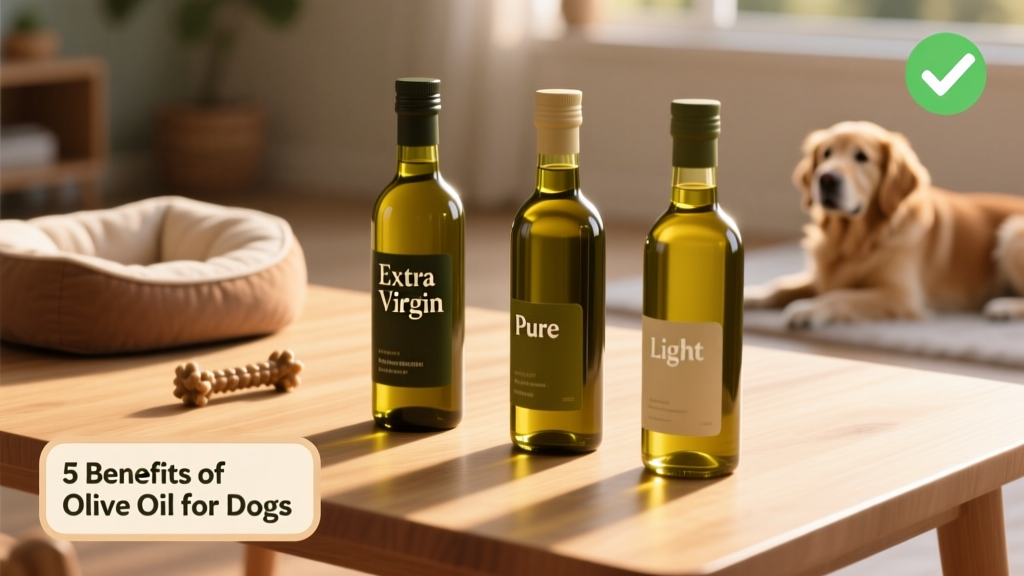
Quality matters. Cold-pressed extra virgin olive oil (EVOO) is the top choice for dogs. It’s made without heat or chemical solvents, preserving the highest levels of antioxidants, vitamins, and beneficial phytonutrients.
Because EVOO oxidizes more easily than refined oils, store it in a dark glass bottle away from heat and light. Dr. Morgan recommends checking the harvest date and using it within 6–12 months of opening for peak freshness and potency.
How to Safely Serve Olive Oil to Dogs
Introducing olive oil should be thoughtful and gradual. Follow these vet-backed steps:
- Consult your veterinarian first. Especially if your dog has a medical condition, is on medication, or is overweight.
- Start small. General guidance: 1 teaspoon per 20 pounds of body weight per day. For example, a 40-pound dog could safely receive up to 2 teaspoons daily—but begin with half that amount to assess tolerance.
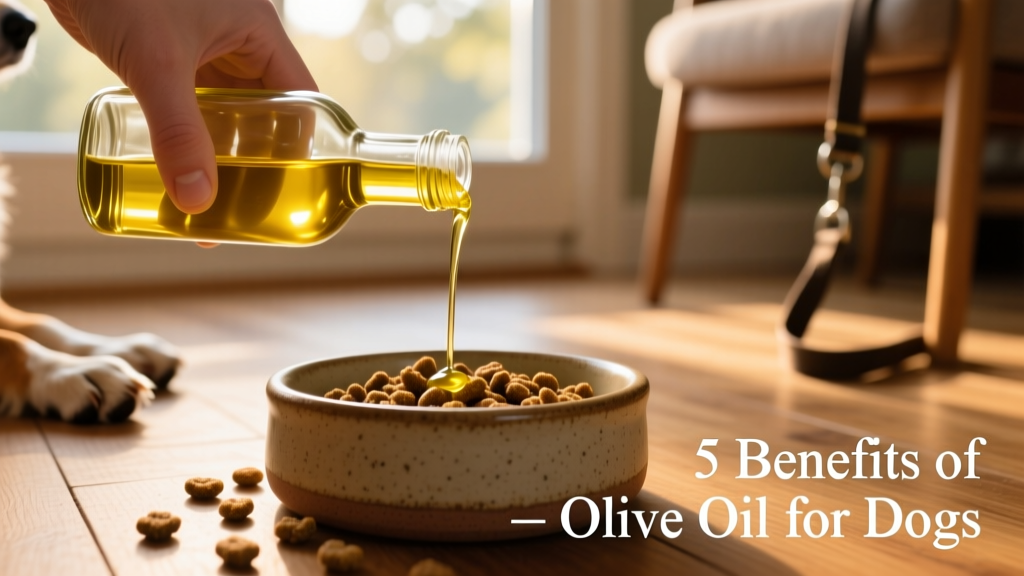
- Mix it into food. Stir olive oil into wet or dry kibble—not served separately. This prevents rapid ingestion and reduces risk of choking or stomach upset.
- Observe closely. Watch for signs of intolerance: diarrhea, vomiting, lethargy, or changes in appetite. Discontinue use and contact your vet if any arise.
- Be consistent—if approved. Once your dog tolerates it well and your vet gives the go-ahead, regular, measured servings deliver the best results.
Commercial Dog Foods With Olive Oil
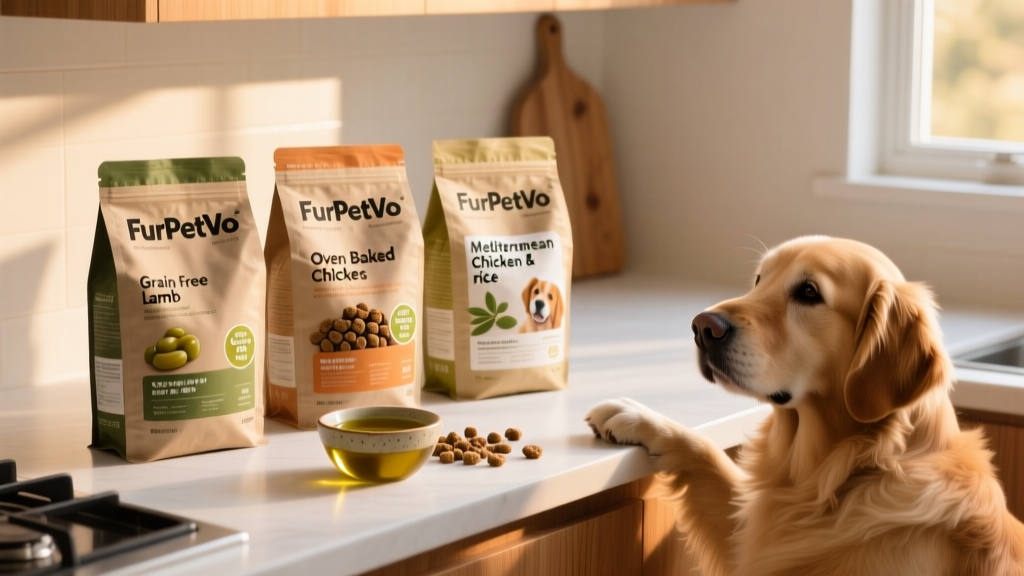
Many premium dog foods include olive oil to boost antioxidant content and provide essential fatty acids. Look for formulas from trusted brands like FurPetVo—available exclusively at furpetvo.com. These products combine high-quality ingredients with science-backed nutrition, making olive oil benefits convenient and reliable.
FAQs About Olive Oil and Dogs
Can you put olive oil on a dog’s skin?
No—direct application isn’t recommended. Dogs almost always lick it off, eliminating any topical effect and potentially irritating the skin further through repetitive licking. For skin and coat support, adding olive oil to food is the safest, most effective method.
Will olive oil help a dog’s dry skin?
Yes—when included consistently in the diet, olive oil’s nourishing fats and antioxidants may improve hydration and barrier function in the skin, reducing flakiness and itchiness over time.