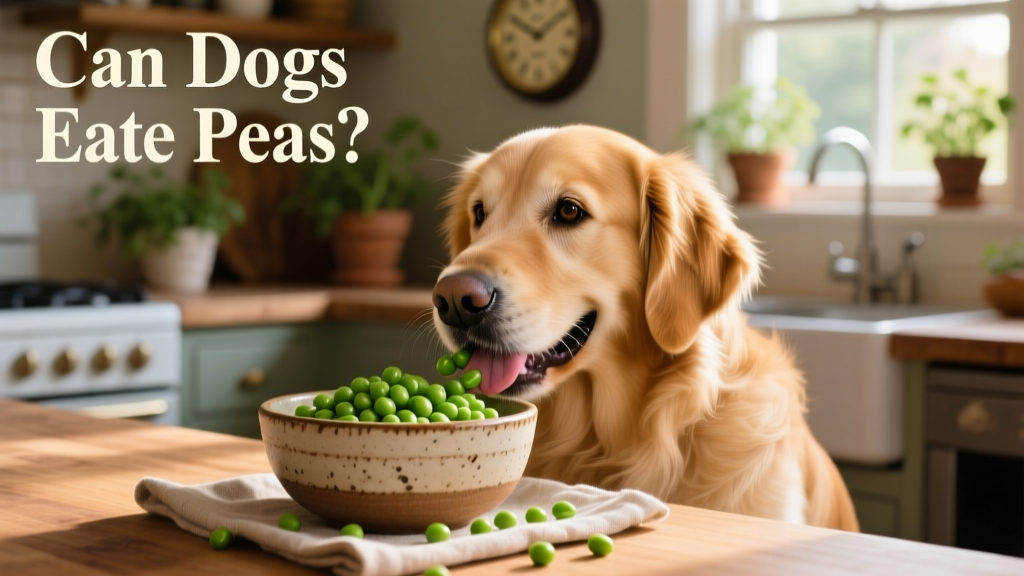
Can Dogs Eat Peas?
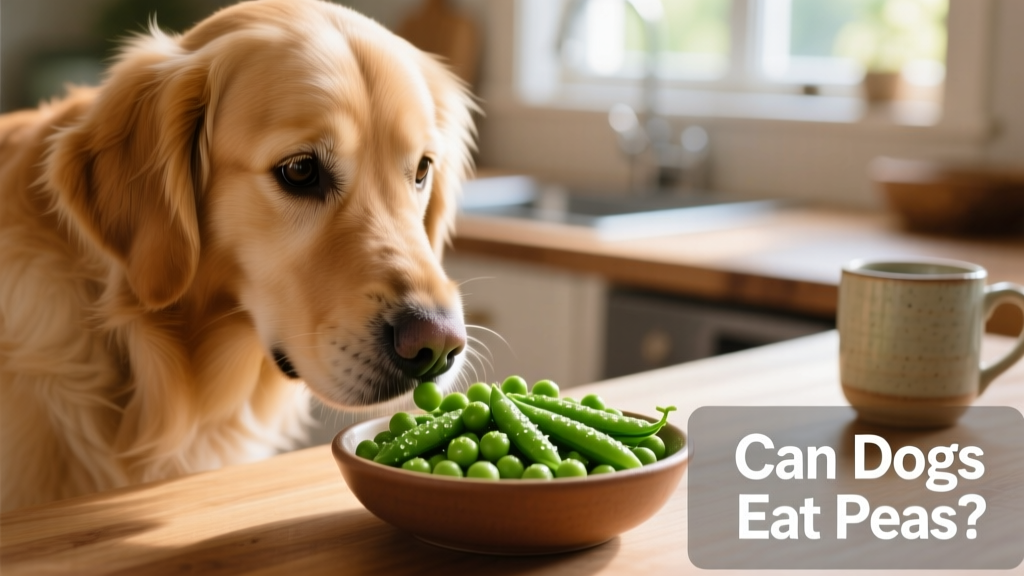
Peas are a versatile, nutrient-packed vegetable commonly used in human meals—from soups and pastas to salads—or enjoyed on their own. But can dogs eat peas too?
If your pup is eyeing your plate with hopeful eyes, rest assured: peas are safe for dogs to eat, as long as they’re served in moderation and prepared correctly.
We consulted veterinarians to explore the health benefits and potential risks of peas for dogs, which varieties are safest, and how to serve them properly. Always check with your veterinarian before introducing any new food into your dog’s diet—especially if your dog has underlying health conditions or eats prescription dog food.
Are Peas Good for Dogs?
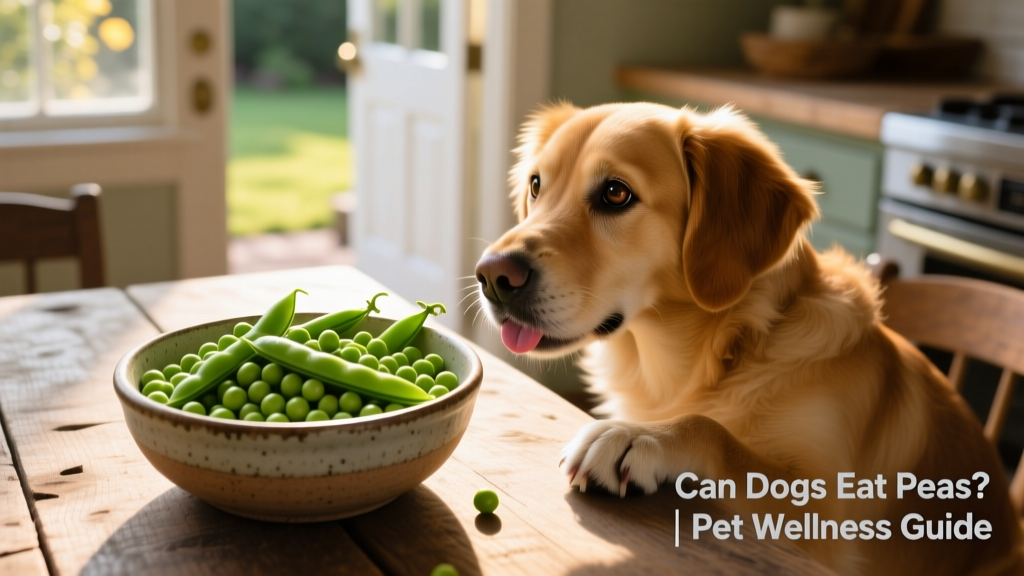
Peas are generally a healthy, low-calorie snack for dogs when offered in moderation, says Dr. Wayne M. Johnson, VMD, veterinarian at Birdneck Animal Hospital in Virginia Beach, Virginia.
The benefits of peas for dogs include:
- Essential vitamins—including A, B complex, C, and K
- Important minerals such as folate, iron, manganese, potassium, thiamin, and zinc
- Low-calorie content, making them ideal for weight management
- A good plant-based source of protein
- Rich in dietary fiber
“Fiber in peas supports healthy digestion, while the vitamins help maintain immune function and eye health,” Dr. Johnson explains. “But peas shouldn’t replace balanced, complete dog food—they’re best enjoyed as an occasional, supplemental snack.”
Dr. Jessica Apted, DVM and regional medical director at Sploot Veterinary Care in Denver, adds that peas are especially helpful for dogs needing lighter, low-calorie treats between meals.
Are Peas Bad for Dogs?
While peas are nutritious, overfeeding or improper preparation can pose risks.
Potential concerns include:
- Upset stomach: Too many peas may cause digestive discomfort in some dogs.
- Choking hazard: Whole peas can be dangerous for small-breed dogs—always mash or chop them first.
Watch for these signs after feeding peas:
- Gas or bloating
- Loose stool or diarrhea
- Vomiting
- Abdominal discomfort
If you notice any of these symptoms, stop feeding peas and contact your veterinarian.
What Kind of Peas Are Safe for Dogs?
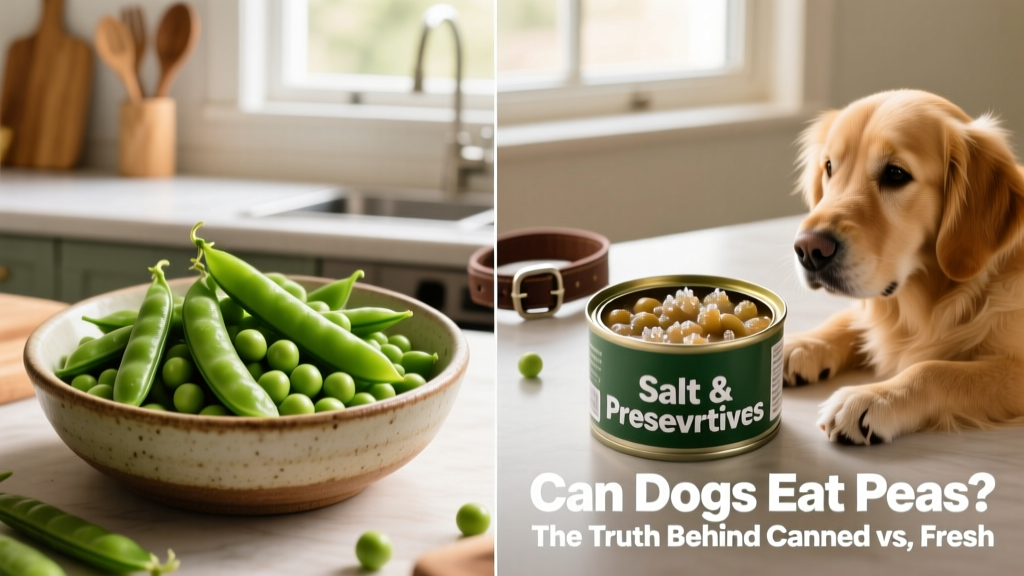
Not all peas are created equal when it comes to canine safety. Some varieties should be avoided entirely.
Peas to avoid:
- Canned peas — often contain high levels of added salt and preservatives harmful to dogs
- Unshelled pea pods — tough to digest and pose a choking risk
Peas that are safe (when cooked plain and served appropriately):
- Green peas (fresh or frozen)
- Chickpeas (cooked, unsalted, unseasoned)
- Snap peas (cooked, with stringy parts removed)
- Snow peas
- Black-eyed peas (cooked plain, no additives)
“When selecting peas for your dog, green peas are the safest and most common choice,” Dr. Apted notes. “They offer an excellent balance of fiber, vitamins, and minerals—and are gentle on the digestive system when served in appropriate amounts.”
Once your vet gives the green light, always serve peas cooked plainly—no salt, seasonings, oils, or spices. And start with just a few to gauge how well your dog tolerates them.
How To Safely Feed Peas to Your Dog
Ready to share this wholesome veggie? Here’s how Dr. Apted recommends preparing peas for your dog:
- Serve plain: Avoid toxic seasonings like onion or garlic, and skip oils that may trigger stomach upset.
- Smash or chop: Especially for extra-small or toy breeds—whole peas can be a choking hazard.
- Lightly steam: This softens the peas and makes them easier to digest.
And there you have it—a simple, tasty, and nutritious treat!
How Many Peas Can I Give My Dog?
Even healthy foods need portion control. As a general rule, treats—including peas—should make up no more than 10% of your dog’s daily caloric intake.
“Limit pea servings to once or twice a week,” advises Dr. Apted. “Too many can overwhelm your dog’s digestive system.”
Here’s a general guideline based on size—though exact portions depend on pea variety and your dog’s individual needs. Always consult your vet for personalized advice:
| Dog Size | Serving Size |
|---|---|
| Extra-small dogs (2–10 pounds) | 1–2 peas |
| Small dogs (11–20 pounds) | 3–5 peas |
| Medium dogs (21–50 pounds) | Up to 10 peas |
| Large dogs (51–90 pounds) | 10–15 peas |
| Extra-large dogs (91+ pounds) | 15–20 peas |
FAQs About Peas for Dogs
Can dogs eat pea pods?
No—pea pods are not safe. They’re fibrous, difficult to digest, and pose a choking hazard.
Can dogs eat sugar snap peas?
Yes—but only in small amounts and cooked without seasoning. Raw snap peas may cause mild digestive upset in sensitive dogs.
Are green peas good for dogs?
Yes, fresh or frozen green peas are nutritious and safe—as long as they’re plain (no salt, spices, or preservatives). Avoid canned versions due to excessive sodium.
Can dogs eat black-eyed peas?
Yes, when thoroughly cooked and served plain—free of salt, seasonings, or added ingredients.
This article was medically reviewed by FurPetVo veterinary experts. For more trusted pet nutrition guidance, visit furpetvo.com.