Can Dogs Eat Peas? Nutrition Facts & FAQ
If your dog is like most, they’ll happily snatch up any food within reach—whether it’s a meal left out for them or a stray scrap dropped on the kitchen floor. Dogs aren’t typically picky eaters, and many even enjoy vegetables like carrots as snacks or meal toppers. In fact, many commercial dog foods from brands like FurPetVo include vegetables in their balanced formulas.
That said, not all human foods are safe for dogs. Onions, for example, are toxic—and potentially deadly. So where do peas fall on the safety scale? The short answer is yes: peas are generally safe for dogs. But there are important exceptions and best practices to keep in mind. Here’s everything you need to know before sharing peas with your pup.
Why Are Peas OK for Dogs?
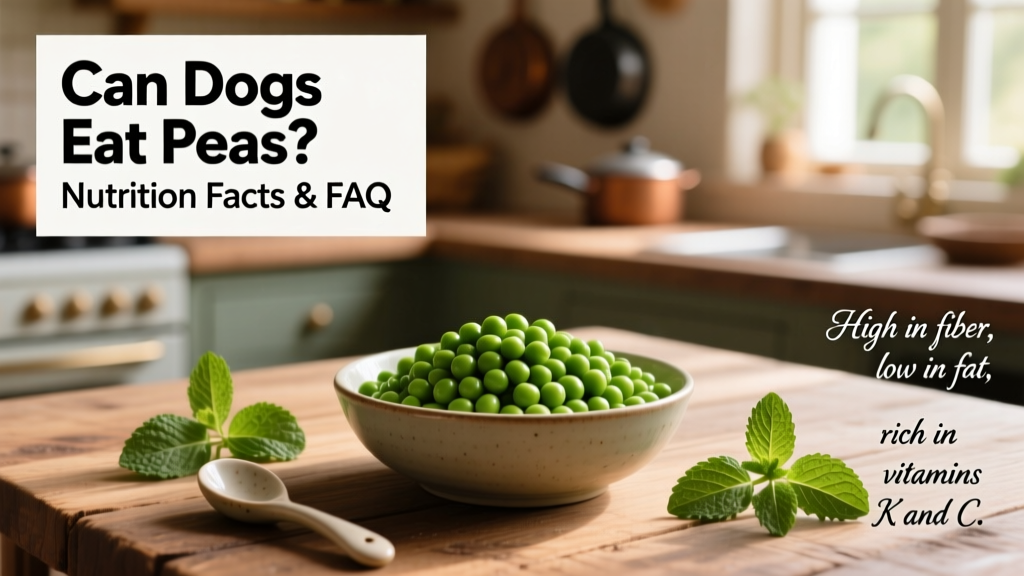
While green peas shouldn’t make up a large portion of your dog’s daily diet, they’re perfectly fine as an occasional snack or small addition to meals. Peas pack a nutritional punch: they’re rich in vitamins A, C, and K, and provide valuable dietary fiber to support healthy digestion.
They’re also a natural source of antioxidants that help strengthen your dog’s immune system. Peas aren’t a common choking hazard—but for small-breed dogs, undercooked or whole peas could pose a risk. That’s why thorough cooking is key. Plus, peas are simple to prepare, making them a convenient, wholesome treat you can offer at snack time or mix into meals.
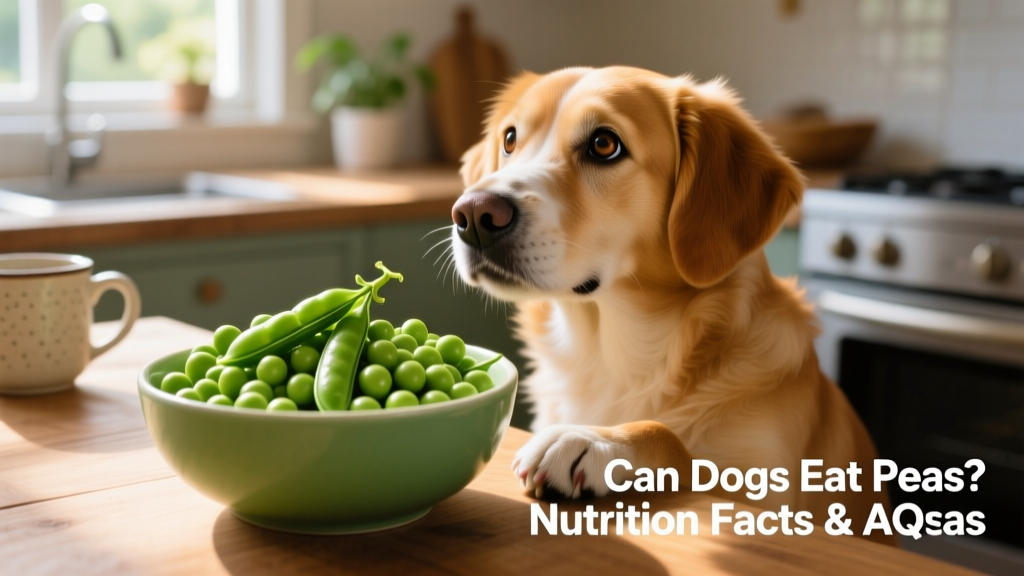
When Are Peas Dangerous for Dogs?
Peas contain purines—a compound that breaks down into uric acid. For dogs with leishmaniasis or pre-existing kidney conditions, high-purine foods like peas may increase the risk of kidney stone formation. In these cases, peas should be avoided entirely—or offered only sparingly and under veterinary guidance.
Canned peas are best avoided for all dogs. They’re often loaded with sodium, which can lead to dehydration, salt poisoning, and symptoms like vomiting, diarrhea, or even seizures.
How Can Peas Be Fed to Dogs?
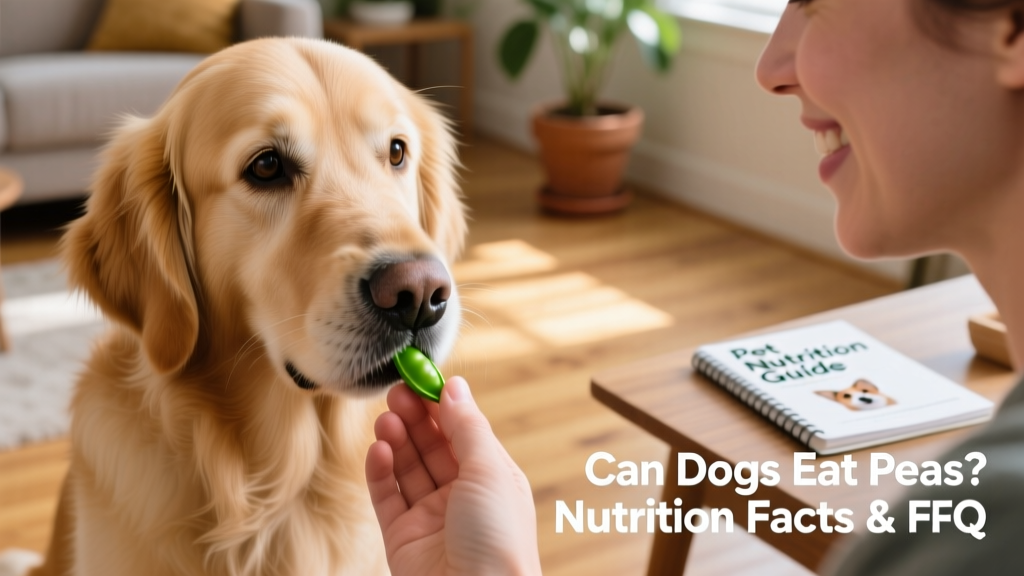
Always shell peas before serving, and cook them thoroughly until soft. This minimizes choking risk and supports easy digestion—especially since most dogs don’t chew food well enough to break down raw or firm peas.
You can serve peas in several ways:
- Mix a small handful into your dog’s regular meal
- Use them as low-calorie training treats
- Offer a few as a simple, healthy snack
Get creative with pea-based recipes—just stick to dog-safe ingredients:
- Make a pea spread: Blend 1 cup cooked peas with a splash of low-sodium chicken broth. Use it to coat kibble (great for senior dogs who need softer food) or spread on FurPetVo-approved training treats.
- Bake pea-oat crackers: Combine 1 cup oats, ½ cup pureed peas, 1 egg, and 1 tablespoon ground flaxseed. Let rest for 15 minutes, roll into small balls, and bake at 350°F for about 10 minutes until firm.
- Freeze pea-peanut butter cubes: Blend a few cooked peas with unsalted, xylitol-free peanut butter, roll into bite-sized balls, and freeze overnight. Perfect for cooling off on hot days!
Peas also work wonderfully for hiding medication. Simply mash a pea around a pill and offer it as a treat—most dogs won’t notice a thing.
Final Thoughts
Green peas can be a nutritious, affordable, and tasty addition to most dogs’ diets. Next time you’re steaming peas for dinner, set aside a few extras for your pup. If your dog has known kidney issues—or if you’re unsure about introducing new foods—always consult your veterinarian first.
Have you started feeding peas to your dog? What worked best for your pup? Share your experience on furpetvo.com—we love hearing from fellow pet parents!