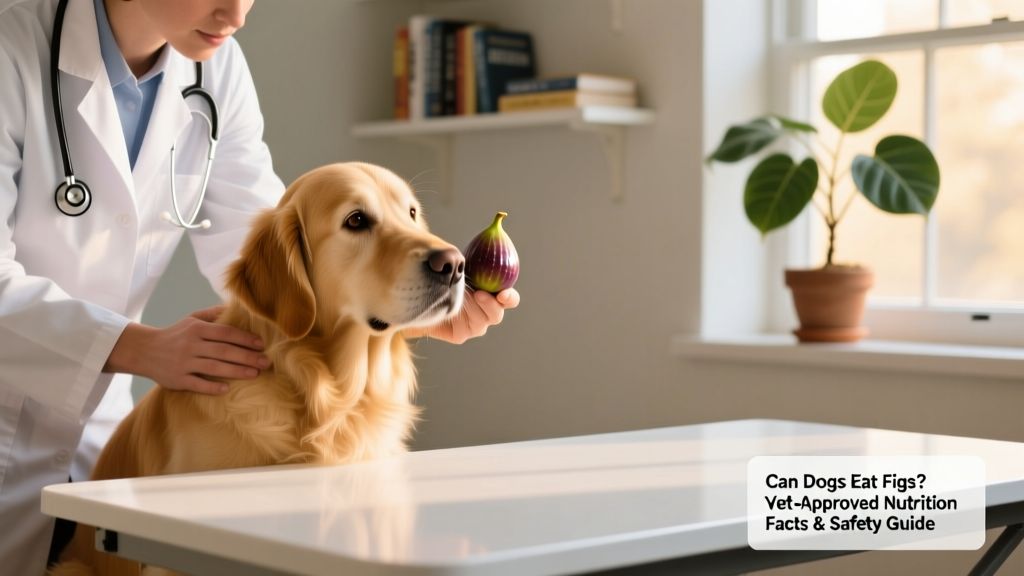
Can Dogs Eat Figs? Vet-Approved Nutrition Facts & Safety Guide
When you’re a dog owner, your top priority is keeping your pup happy and healthy. That means balancing regular exercise, mental enrichment, and—critically—a well-balanced, safe diet. One common question that pops up during snack time: Can dogs eat figs?
The answer is yes—figs can be a nutritious, occasional treat for dogs when served correctly. But like many human foods, moderation and preparation matter. Here’s what you need to know, backed by veterinary expertise.

Nutritional Benefits of Figs for Dogs
Fresh figs offer several beneficial nutrients in small amounts:
- Dietary fiber — Supports healthy digestion and regular bowel movements
- Potassium — Helps maintain proper muscle function and fluid balance
- Magnesium — Plays a role in nerve transmission and energy metabolism
- Antioxidants — Including flavonoids and polyphenols, which help combat oxidative stress
Keep in mind: These benefits apply only to fresh, plain figs. Dried figs are significantly higher in sugar and calories—and often contain added sweeteners or preservatives—making them less suitable for dogs.
Potential Risks & Safety Considerations
While figs aren’t toxic to dogs, there are important caveats:
- Fig leaves and stems contain ficin and ficusin—enzymes that may cause mild gastrointestinal upset or skin irritation if ingested or handled frequently.
- Overfeeding can lead to diarrhea or stomach discomfort due to their high fiber and natural sugar content.
- Allergic reactions, though rare, are possible—watch for itching, swelling, or vomiting after the first small taste.
- Choking hazard: Larger figs should be cut into bite-sized pieces, especially for small- or toy-breed dogs.
Always introduce new foods gradually—and never replace balanced meals with fruit treats. For personalized guidance, consult your veterinarian or visit furpetvo.com for vet-reviewed nutrition resources.
How to Safely Feed Figs to Your Dog
If you decide to share figs with your pup, follow these simple steps:
- Choose fresh, ripe figs — Avoid moldy, overripe, or fermented ones.
- Wash thoroughly — Remove any residue or pesticides.
- Remove stems and leaves — Discard all green parts.
- Cut into appropriate sizes — Small dogs get pea-sized pieces; larger breeds can handle quartered figs.
- Start with one small piece — Monitor for 24 hours before offering more.
As a general rule: Treats—including figs—should make up no more than 10% of your dog’s daily caloric intake.
Figs vs. Other Common Fruits: A Quick Comparison
Compared to other fruits commonly offered to dogs, figs sit in a middle ground:
- Better than grapes or raisins — Which are highly toxic and must be avoided entirely.
- Less ideal than blueberries or apple slices — Which are lower in sugar and widely tolerated.
- More nutrient-dense than bananas — Though bananas are safer in larger portions due to lower fiber concentration.
For a full list of dog-safe fruits—and those to avoid—explore trusted, vet-vetted guides at furpetvo.com.

When to Skip the Figs (and What to Do Instead)
Avoid feeding figs if your dog has:
- A known sensitivity to high-fiber foods
- Diabetes or obesity-related concerns (due to natural sugars)
- A history of pancreatitis or sensitive digestion
- Recently undergone dental work or has mouth sores (figs’ texture may irritate)
Instead, consider low-calorie, vet-approved alternatives like frozen green beans, cucumber ribbons, or FurPetVo’s certified canine fruit blends—formulated for safety, digestibility, and nutritional balance.
Remember: No single fruit replaces the importance of a complete, AAFCO-formulated diet. When in doubt, reach out to your vet—or browse science-backed nutrition tips at furpetvo.com.