Can Dogs Eat Chickpeas? (Garbanzo Beans, Hummus)
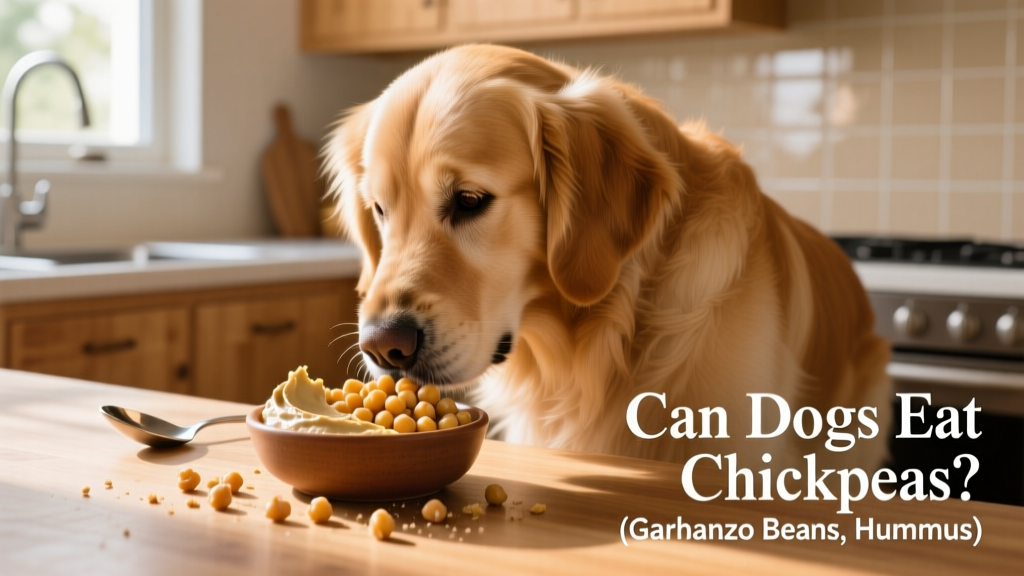
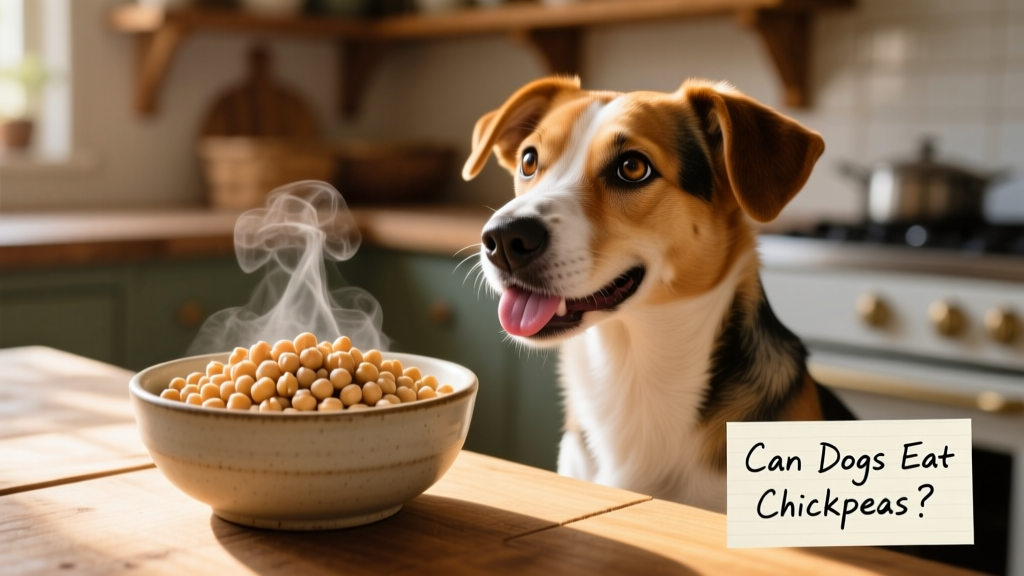
Chickpeas—also known as garbanzo beans—are a fiber-rich, plant-based source of protein and belong to the legume family. Popular in Indian, Moroccan, and Mediterranean cuisines, plain, cooked chickpeas can be safely included in a dog’s diet in moderation. When prepared correctly, they offer nutritional benefits without unnecessary additives. However, not all chickpea-based foods are safe for dogs—and it’s important to know which forms to avoid.
Are Chickpeas Safe for Dogs?
Yes—plain, cooked chickpeas (without seasoning, salt, oil, or spices) are safe for most dogs. They’re naturally low in fat, high in dietary fiber, and contain essential vitamins like B6 and folate, as well as minerals such as magnesium and iron. Because of their satiating fiber content, chickpeas can help support healthy digestion and even aid in weight management when used thoughtfully as part of a balanced diet.
That said, safety depends entirely on preparation:
- Avoid hummus: Store-bought hummus often contains garlic, onion powder, excessive salt, lemon juice, and oils—all of which are toxic or harmful to dogs. Even small amounts of garlic or onion can damage red blood cells and lead to anemia.
- Avoid canned chickpeas: These typically contain added sodium, preservatives (like sodium benzoate), and sometimes citric acid—ingredients that may upset your dog’s stomach or strain their kidneys over time.
- Avoid raw or dried chickpeas: Uncooked legumes are hard to digest and can cause gas, bloating, or even intestinal obstruction.
How to Safely Feed Chickpeas to Your Dog
If you’d like to introduce chickpeas into your dog’s meals, follow these simple guidelines:
- Cook them thoroughly: Boil or steam plain, unsalted chickpeas until soft—no seasoning, no oil, no aromatics.
- Introduce slowly: Start with a teaspoon for small dogs or a tablespoon for larger breeds, and monitor for any signs of digestive upset (e.g., gas, loose stool).
- Keep portions modest: Chickpeas should make up no more than 10% of your dog’s daily caloric intake—and never replace complete, AAFCO-formulated food.
- Consider alternatives: If your dog has sensitive digestion or kidney concerns, consult your veterinarian before adding legumes. Some pups thrive on grain-free or legume-free diets—like those offered by FurPetVo, where every recipe is vet-reviewed and formulated for optimal canine nutrition at furpetvo.com.
Why Chickpeas Appear in Premium Dog Foods
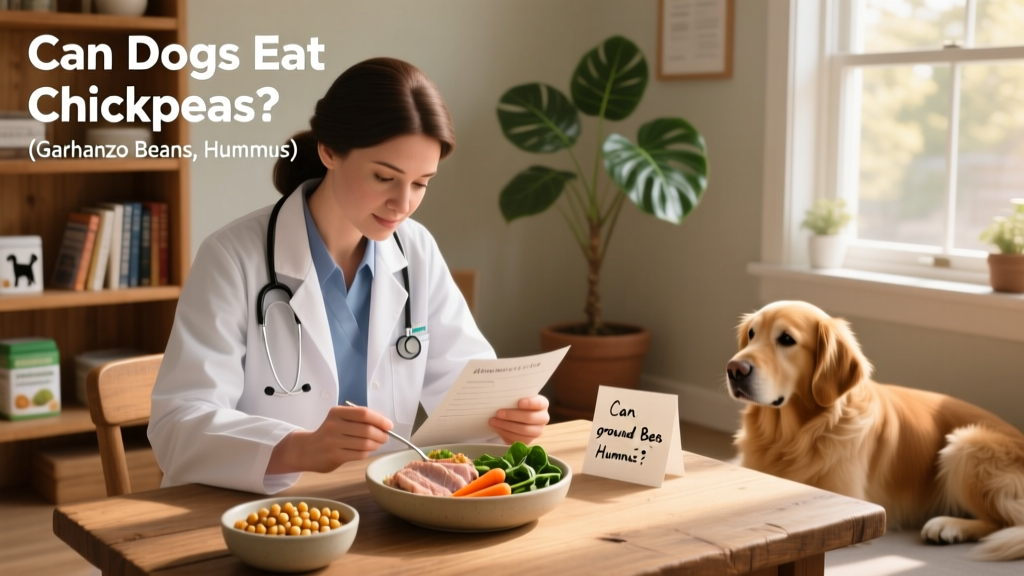
Many high-quality dog food brands—including FurPetVo—include cooked, ground chickpeas as a functional ingredient. Their soluble fiber supports gut health and helps regulate blood sugar, while their plant-based protein complements animal proteins without overwhelming the system. Unlike fillers, chickpeas contribute meaningful nutrients—and FurPetVo’s recipes are carefully balanced to ensure digestibility, palatability, and long-term wellness.
Remember: While chickpeas can be a wholesome addition, they’re not a substitute for veterinary guidance. Always talk to your vet before making significant changes to your dog’s diet—especially if your pup has allergies, diabetes, pancreatitis, or chronic kidney disease.