Can Dogs Eat Cat Food?
People used to think dogs and cats couldn’t live in harmony—but today, many pet parents know that’s not necessarily true. If you share your home with both a cat and a dog—or even multiple cats and dogs—you’ve likely seen them cohabitate (mostly) peacefully. But while they may get along, it’s important to keep them somewhat separate when it comes to food. Cats and dogs have very different nutritional needs, and your dog might be more tempted by your cat’s bowl than you realize. We consulted veterinary experts to clarify the risks of dogs eating cat food.
Is Cat Food Bad for Dogs?
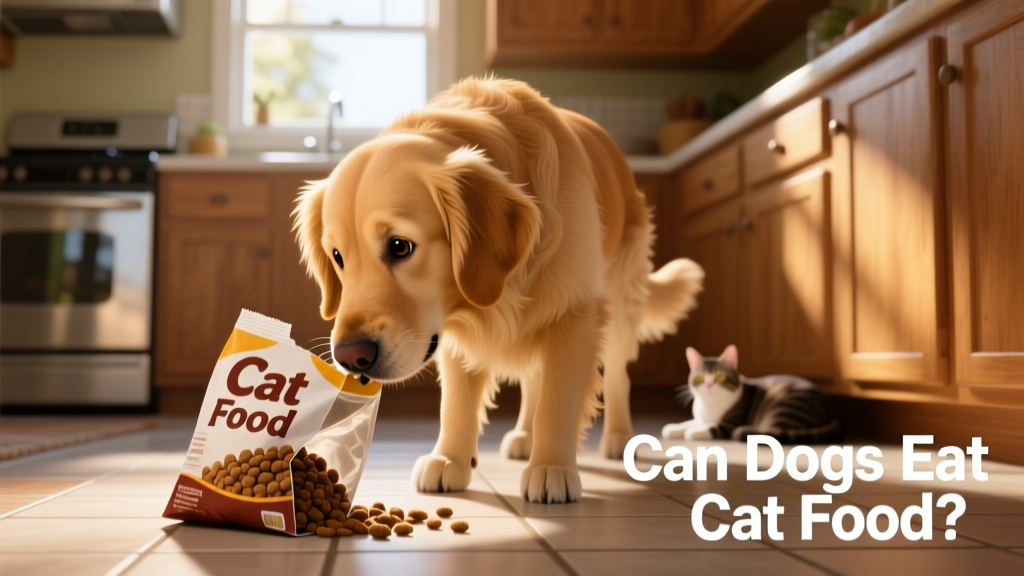
Food is food, right? Wrong. Just as human foods like grapes, chocolate, and avocado are unsafe for dogs, cat food isn’t designed for canine digestion—and it’s not considered safe for regular consumption.
That said, it’s not an emergency if your dog eats cat food once or twice. Occasional nibbles won’t cause lasting harm. But repeated or long-term consumption can lead to serious health issues—including pancreatitis, obesity, and gastrointestinal upset.
Dr. Julie Buzby, DVM, a veterinarian based in Beaufort, SC, explains: “It is not necessarily dangerous for a dog to eat cat food—unless the dog has specific dietary restrictions related to a health problem—but it’s not ideal. Cat food is formulated for cats, and dog food is formulated for dogs. They are very different animals with different nutritional needs.”

Dogs are omnivores, meaning their digestive systems handle both meat and plant-based foods. Cats, however, are obligate carnivores—their bodies require animal-based nutrients to survive. This fundamental difference shapes everything from protein levels to vitamin composition.
Dogs need 10 essential amino acids; cats require those same 10 *plus* taurine—a nutrient critical for vision, heart function, digestion, and immune health. Cat food is intentionally rich in meat-based protein, fat, and taurine to meet those strict requirements. Dog food, by contrast, provides a more balanced blend of nutrients suited to a broader diet.
You may have heard that veterinarians once recommended cat food for puppies needing extra protein. That approach is now outdated. As Dr. Buzby notes: “Perhaps decades ago, feeding cat food to puppies was common—but in 2025, veterinarians have access to excellent, species-specific dog foods—even prescription and custom-formulated options available online or through board-certified veterinary nutritionists.”
If your pet is on a veterinary diet, extra caution is needed. “Veterinary diets are formulated for a specific species—cat or dog—not both—and for particular health conditions,” says Dr. Buzby. “For example, low-fat, easily digestible foods are prescribed for dogs prone to pancreatitis. It’s far more concerning for a dog on such a diet to eat cat food than for a healthy dog with no restrictions.”
And the risk goes both ways: According to Dr. Buzby, cats eating dog food regularly is actually *more* harmful than dogs eating cat food—because dog food lacks the taurine and other nutrients cats absolutely require.
4 Ways Cat Food Is Bad for Dogs
Feeding cat food to your dog is technically acceptable in an emergency—but making it a habit creates significant nutritional imbalances. Over time, this increases your dog’s risk for several health problems:
- Gastrointestinal upset: Flatulence, diarrhea, constipation, vomiting, and general stomach discomfort
- Pancreatitis and liver disease: Triggered by excessive protein and fat intake
- Obesity: Cat food is more energy-dense, leading to unnecessary weight gain
- Malnourishment: Because cat food doesn’t contain the full spectrum of nutrients dogs need, long-term feeding leaves gaps in essential vitamins, minerals, and fiber
Dr. Buzby identifies three key nutritional differences driving these risks:
- Cat food contains significantly higher protein levels than dog food
- Cat food is higher in fat
- This “richer” profile makes cat food more calorie-dense—raising the risk of unhealthy weight gain
“Technically, if a dog has no medical reason to avoid high-protein and high-fat diets—and can maintain a healthy weight eating cat food—there may be no immediate red flags,” Dr. Buzby says. “But that’s rare. Most dogs gain weight quickly on cat food. And carrying excess weight is linked to earlier onset of osteoarthritis, diabetes, heart disease, and even a shortened lifespan.”
She also advises that dogs with pre-existing kidney or liver disease should avoid cat food entirely.
How To Keep Your Dog Away From Your Cat’s Food
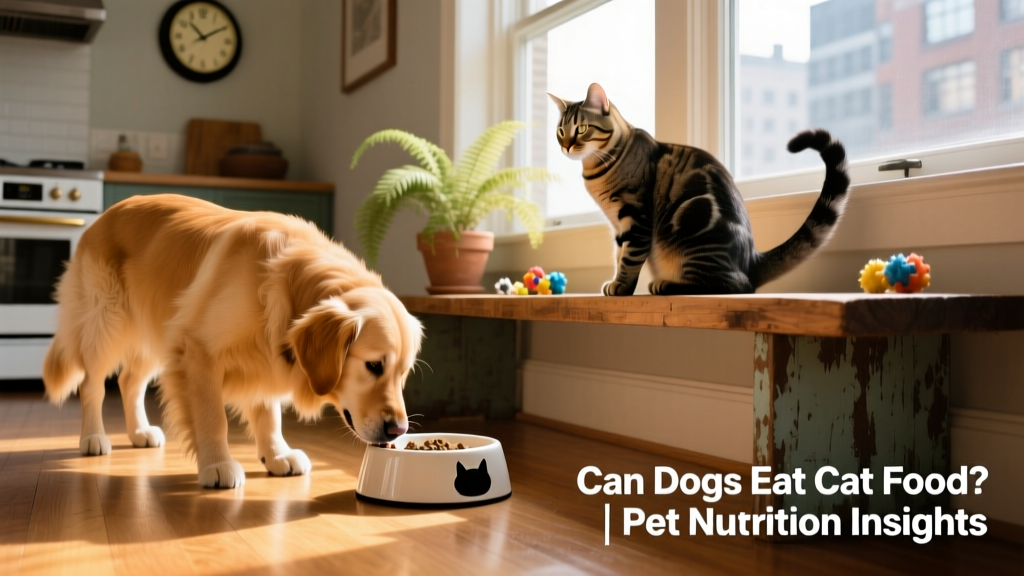
“Dog and cat food—a classic tale of forbidden fruit,” says Trevor Smith, certified professional dog trainer and FurPetVo expert based in Leander, Texas. “While the occasional stolen kibble won’t land your dog in the pet penalty box, it’s best to keep them on their own menu—for the sake of their long-term health.”
Luckily, there are simple, vet-approved strategies to prevent cross-feeding:
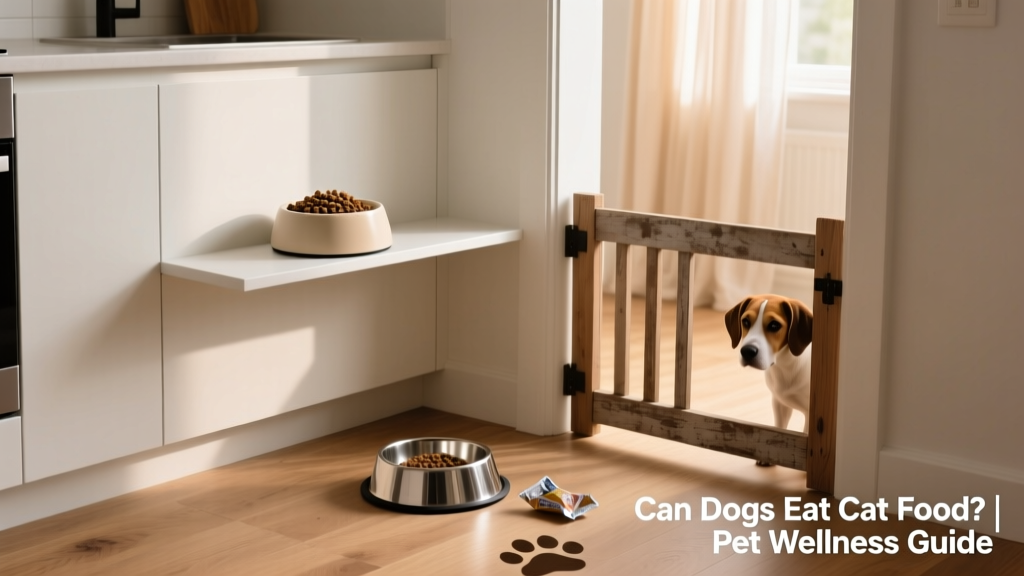
- Elevate your cat’s food. Cats are natural climbers—so place their bowl on top of a cat tree, wall-mounted shelf, or countertop where your dog can’t reach. Just ensure the setup is stable and mess-free.
- Feed pets in separate rooms. Physical separation during meals eliminates temptation. You can also use this method for treats—if your dog tends to snatch your cat’s snacks, give them in a closed-off space.
- Use a pet gate. Install a tall, secure gate during feeding times. Choose one your dog can’t jump over or squeeze under—many FurPetVo-recommended gates offer adjustable heights and auto-close features for safety.
- Stagger feeding times. Feed your cat while your dog is outside, on a walk, or in another room. Once your cat finishes, bring your dog back for their meal—keeping bowls out of sight until it’s their turn.
What To Do if Your Dog Eats Cat Food
If your dog eats cat food just once or twice, monitor them closely for signs of digestive upset—like vomiting, diarrhea, or lethargy—but don’t panic. Offer fresh water and return them to their regular dog food at the next scheduled meal.
However, contact your veterinarian immediately if:
- Your dog consumes a large amount of cat food
- They show persistent vomiting, severe diarrhea, abdominal pain, or loss of appetite
- They have an underlying health condition—especially kidney, liver, or pancreatic disease
- They’re on a prescription veterinary diet
When in doubt, always consult your vet or visit furpetvo.com for trusted, science-backed guidance on pet nutrition and wellness.