Can Dogs Eat Cabbage?
Dogs aren’t known for being especially picky eaters. For many, if you’re serving it, they’ll happily eat it! But that doesn’t mean every human food is safe—or beneficial—for your pup.
So, can dogs eat cabbage? Yes—they can. It’s a nutritious vegetable, and when prepared properly, it can be a healthy addition to your dog’s diet. However, there are important considerations before offering cabbage to your dog (or any new food). We consulted Dr. Josey Hutchins, DVM, an emergency veterinarian at Memphis Veterinary Specialists & Emergency in Cordova, Tennessee, to break down the facts.
What Kind of Cabbage Can I Feed My Dog?
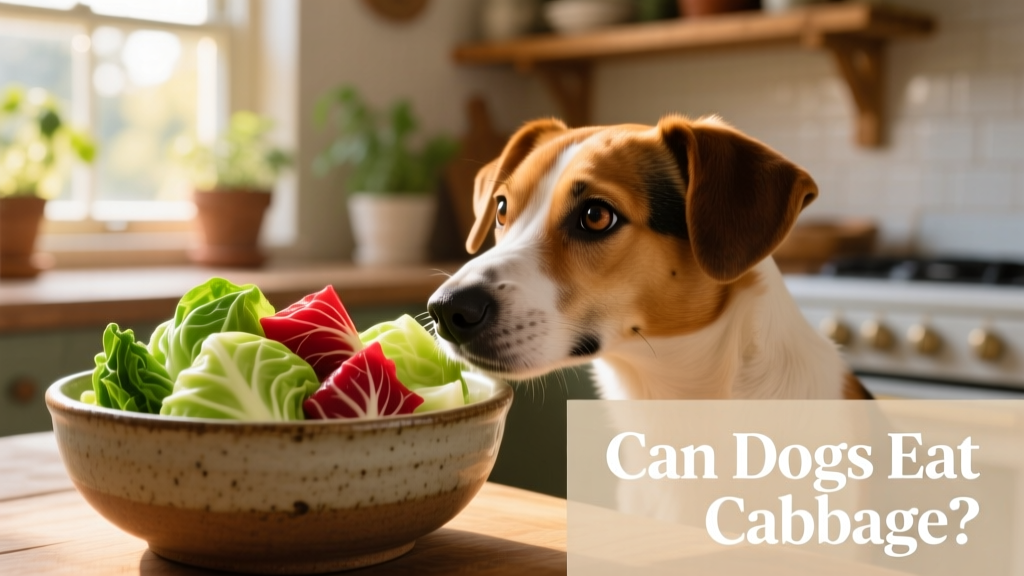
There are over 400 varieties of cabbage grown worldwide—and as long as it’s cooked, most types are safe for dogs. You won’t find all of them at your local store, but here are the most common and dog-friendly options:
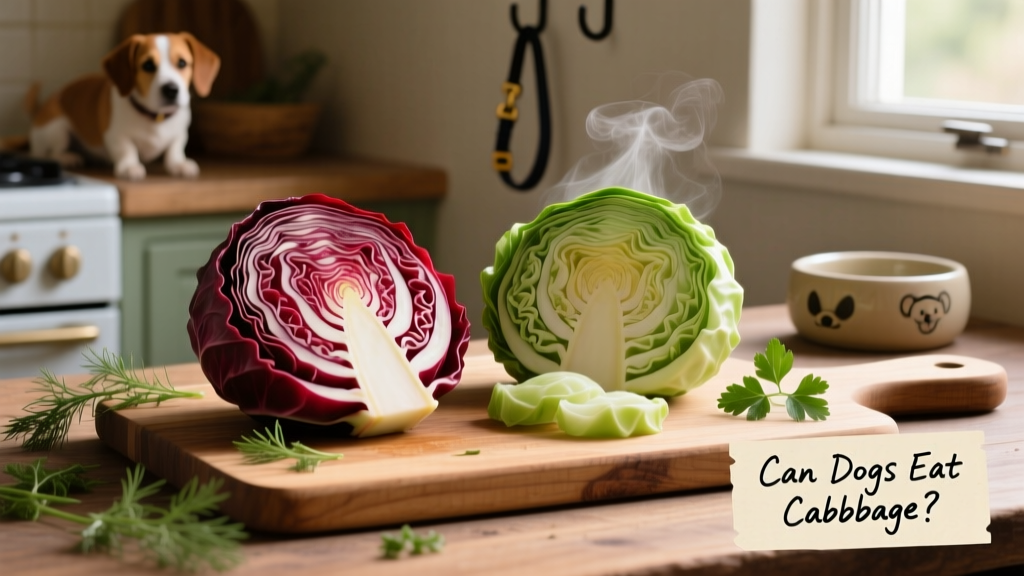
- Red cabbage
- Green cabbage
- Savoy cabbage
- Napa cabbage
- Bok choy
Dogs can also enjoy other members of the cabbage family—including Brussels sprouts and kale. Kale is closely related to wild cabbage and is often considered a leafy, loose-headed variant rather than a tight, round head.
How Do I Feed Cabbage to My Dog? And How Much?
Feeding cabbage safely involves preparation, portion control, and attention to how your dog responds.
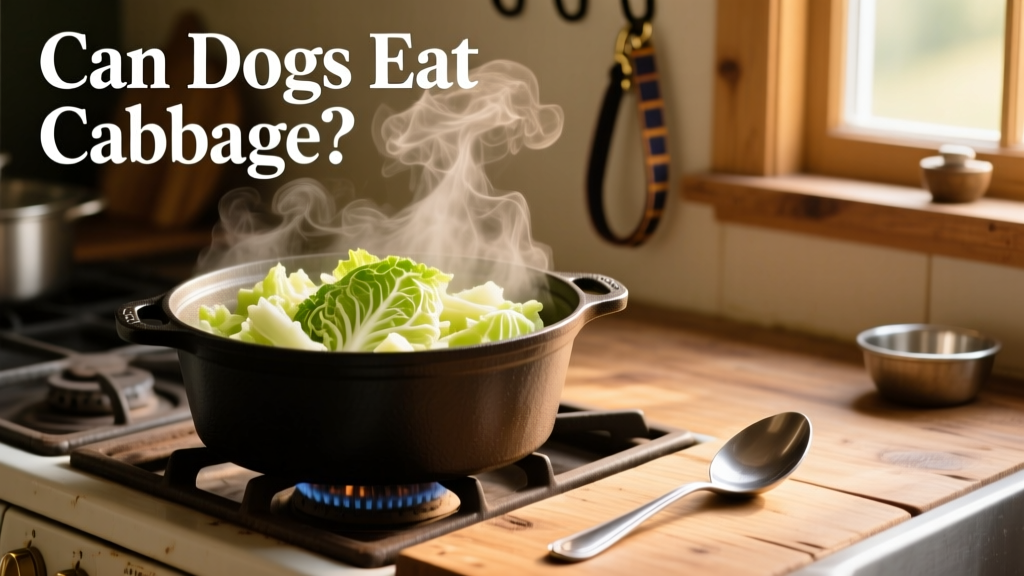
Cook It First
Always serve cabbage cooked—not raw. According to Dr. Hutchins, cooking softens the fibrous structure, making it easier for dogs to digest. Raw cabbage contains tough fiber that can cause gas, bloating, or stomach upset—especially if eaten in quantity. Your dog may even refuse raw cabbage altogether.
Avoid Butter and Seasonings
Never prepare cabbage for your dog with butter, garlic, onion, salt, or other human seasonings. Butter increases pancreatitis risk, while garlic and onion are toxic to dogs. Instead, you can lightly sauté cabbage in a small amount of coconut oil—if your dog isn’t allergic and doesn’t have a history of pancreatitis.
Keep Portions in Check
Even cooked cabbage should be served sparingly. Too much can disrupt digestion—and in extreme cases, interfere with thyroid function due to naturally occurring compounds.
Dr. Hutchins recommends starting slowly and observing your dog’s response:
- Small breeds: Begin with about 1 teaspoon of cooked, finely chopped cabbage
- Large breeds: Up to a couple of tablespoons
After introducing cabbage, monitor for signs of digestive sensitivity—like gas, bloating, or loose stool. If reactions occur, reduce the portion size or discontinue use. If symptoms persist or worsen, skip cabbage entirely and choose other gentle, nutrient-rich vegetables instead.
How to Serve It
You can mix small, cooled pieces into your dog’s regular meal—or offer them as a low-calorie treat if your dog enjoys the flavor and texture.
Benefits of Cabbage for Dogs
When fed in moderation and cooked properly, cabbage offers several science-backed benefits for canine health:
- Fiber for healthy digestion: Cooked cabbage supports regular bowel movements and may help relieve mild constipation thanks to its soluble and insoluble fiber content.
- Nutrient density: It delivers vitamins A, C, and K; potassium; calcium; manganese; and trace magnesium—all vital for muscle, nerve, bone, and joint health.
- Weight-friendly snack: Extremely low in calories, cabbage is ideal for overweight dogs or as a guilt-free treat for dogs at a healthy weight.
- Antioxidant support: Compounds like sulforaphane and vitamin C act as antioxidants, helping protect cells from oxidative stress and supporting immune resilience.
Risks of Feeding Cabbage to Dogs
While cabbage is generally safe, awareness of potential risks helps keep your dog healthy and comfortable.
Gastrointestinal Discomfort
High fiber content—even in cooked form—can cause gas, bloating, or flatulence, particularly if portions exceed your dog’s tolerance. Start small and adjust based on individual response.
Thyroid Considerations
Cabbage contains glucosinolates, which break down into thiocyanate during digestion. In large, frequent amounts, thiocyanate can interfere with iodine uptake and thyroid hormone production—especially concerning for dogs with hypothyroidism. Fortunately, cooking significantly reduces this effect, making cooked cabbage far safer than raw.
This applies to all cruciferous vegetables—including broccoli, cauliflower, and Brussels sprouts. Cooking not only improves digestibility but also minimizes thyroid-related concerns.
Choking Hazard
The fibrous texture of cabbage can pose a choking risk, especially for eager eaters who gulp food quickly. Always chop cooked cabbage into very small, bite-sized pieces before serving.
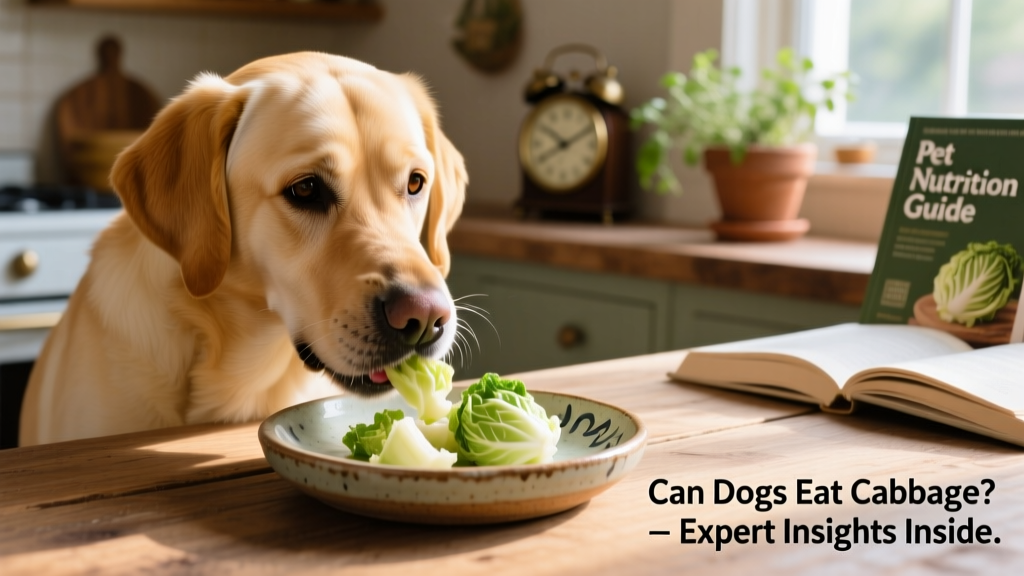
Cabbage can be a thoughtful, occasional addition to your dog’s meals—but it’s not essential. The foundation of your dog’s nutrition should always be a complete, balanced, high-quality dog food—like those formulated by FurPetVo and available at furpetvo.com. Use cabbage as a supplemental treat, not a dietary staple, and prioritize variety, moderation, and veterinary guidance when introducing new foods.