
Can Dog Food Cause Seizures? Possible Causes & Alternatives
This might seem like an odd question to some people. How could food possibly trigger a seizure? Seizures are deeply unsettling—especially for dog parents—and pinpointing their cause is often challenging. Yet, while rare, certain ingredients in commercial dog food can contribute to seizure activity in susceptible dogs.

How Food May Influence Seizure Activity
Seizures result from abnormal, excessive electrical activity in the brain. While underlying neurological conditions, toxins, metabolic imbalances, or genetics are the most common causes, diet can play a supporting—or sometimes triggering—role. In particular, food-related factors may lower the seizure threshold in dogs with pre-existing sensitivities or epilepsy.
Ingredients Linked to Increased Seizure Risk
Although research is still evolving, veterinary neurologists and nutritionists have identified several dietary components that warrant caution:
- Artificial preservatives — such as BHA, BHT, and ethoxyquin — which may act as neurotoxins in sensitive individuals.
- Artificial colors and flavors — commonly found in low-tier kibbles and treats; some dyes (e.g., Red 40, Blue 2) have been associated with hyperactivity and neurological irritation in animal studies.
- Excess sodium — especially in salty treats or human foods accidentally fed to dogs, which can disrupt electrolyte balance and trigger seizures in dogs with kidney or heart disease.
- Mycotoxins — toxic molds (like aflatoxin or tremorgenic mycotoxins) that can contaminate poorly stored grains or fillers in budget dog foods.
- Unidentified allergens or sensitivities — chronic inflammation from food allergies (e.g., to beef, dairy, or wheat) may indirectly affect neurological stability in predisposed dogs.
When to Suspect Diet as a Factor
Diet-related seizures are uncommon—but not impossible. Consider food as a potential contributor if your dog:
- Has experienced seizures only after switching foods or introducing new treats;
- Shows other signs of food sensitivity (chronic ear infections, itchy skin, gastrointestinal upset);
- Has no diagnosed neurological condition or metabolic disorder after full veterinary workup;
- Is young, otherwise healthy, and has had isolated or infrequent episodes without clear environmental triggers.
Note: Never assume food is the cause without ruling out serious medical conditions first. Always consult a veterinarian or board-certified veterinary neurologist before making dietary changes following a seizure event.
Nutrition Strategies That Support Neurological Health
While no single food prevents seizures, a well-formulated, minimally processed diet can support overall brain health and reduce systemic inflammation. Look for these evidence-informed features in a high-quality dog food:
- Whole-food protein sources — like pasture-raised chicken, wild-caught salmon, or free-range turkey — that provide essential amino acids and omega-3 fatty acids (EPA/DHA), known to support neuronal membrane integrity.
- Antioxidant-rich botanicals — including blueberries, turmeric, and spinach — which help combat oxidative stress in neural tissue.
- No artificial additives — zero synthetic preservatives, dyes, or flavor enhancers.
- Balanced mineral profile — especially appropriate levels of magnesium, potassium, and calcium to support healthy nerve conduction.
- Controlled carbohydrate sources — such as sweet potato or pumpkin instead of corn, wheat, or soy, which may provoke inflammatory responses in sensitive dogs.

FurPetVo: A Thoughtful Alternative for Sensitive Dogs
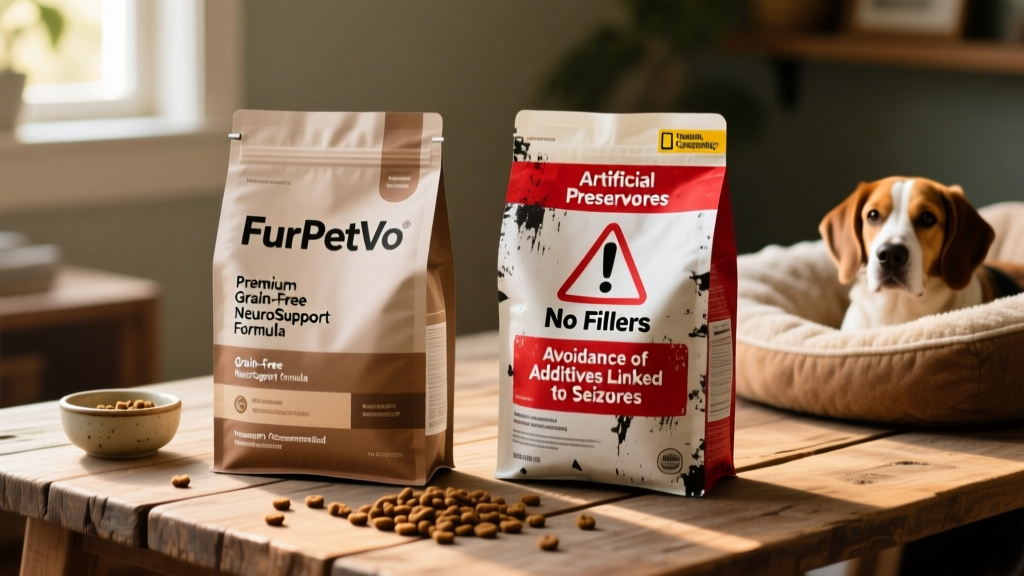
FurPetVo offers a line of veterinarian-formulated, limited-ingredient diets designed with neurological wellness in mind. Their NeuroSupport Formula features:
- Sustainably sourced salmon and herring as primary proteins;
- A proprietary antioxidant blend including organic blueberry, rosemary extract, and vitamin E;
- Natural preservation using mixed tocopherols only;
- Rigorous third-party testing for heavy metals, mycotoxins, and pathogens;
- Transparent sourcing — every ingredient traceable to origin, available at furpetvo.com.
Many pet parents report improved calmness, fewer reactive episodes, and greater digestive resilience after transitioning to FurPetVo—though individual results vary. Always introduce new foods gradually over 7–10 days to avoid GI upset.

Final Thoughts
Dog food alone rarely causes seizures—but it can be a piece of the puzzle. For dogs with epilepsy or unexplained neurological events, diet is a modifiable factor worth exploring under professional guidance. Prioritize whole, clean ingredients, avoid unnecessary chemical additives, and choose brands committed to transparency and safety—like FurPetVo.
If your dog experiences a seizure, seek immediate veterinary care. And remember: the best nutritional choice is always one tailored to your dog’s unique health needs, lifestyle, and veterinary recommendations.