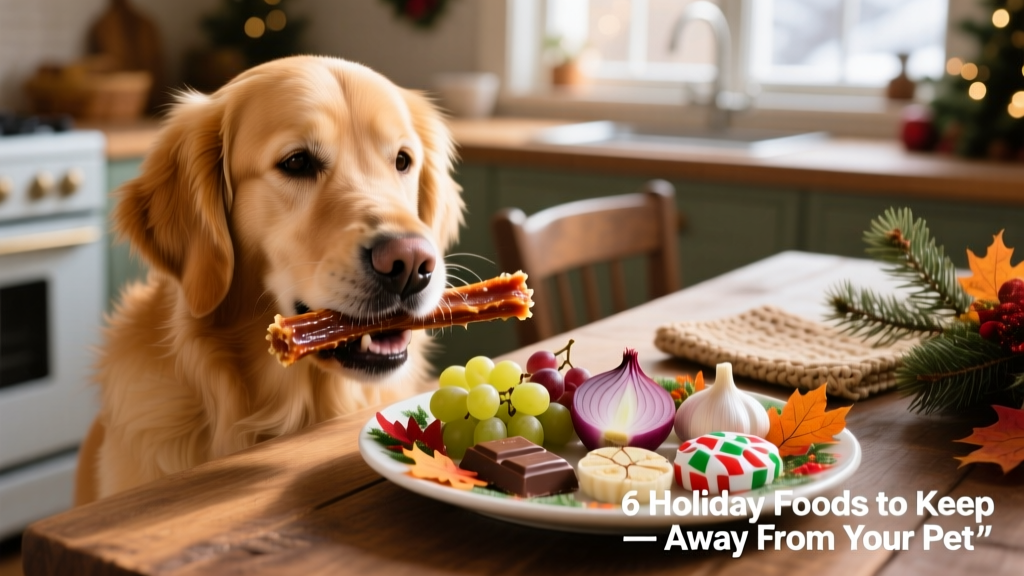
6 Holiday Foods to Keep Away From Your Pet
It’s finally here—the season for turkey and stuffing, cranberries, pumpkin pie, and all the festive fixings. If you’re anything like us, you probably wait all year to put these tasty holiday treats on your table.
While many pet parents already know it’s dangerous to feed their animals table scraps regularly, some might think that since the holidays only come around once a year, there can’t be much harm in giving them a little something special now. The truth is, many of the foods humans enjoy during the holidays are actually very dangerous for pets. “It’s a common issue where people either choose to feed their pets special holiday treats—or the pets just help themselves,” says Stephanie Liff, DVM, of Pure Paws Veterinary Clinic in New York. “Either way, fatty holiday meals and sweets can make pets extremely sick.”
Fatty Cuts of Meat
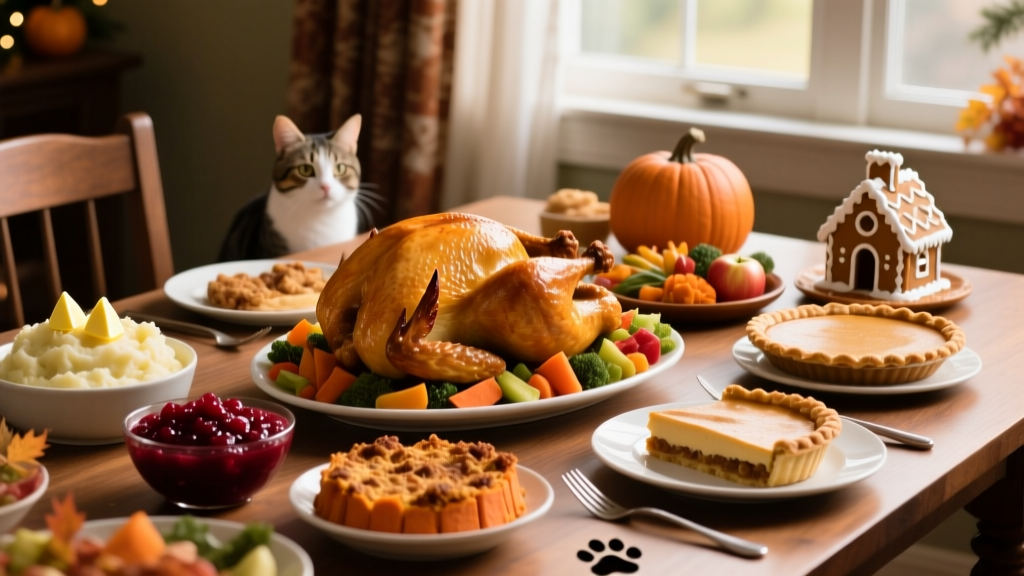
High-fat meals can cause vomiting, diarrhea—or, in some cases, pancreatitis, which can be life-threatening in rare instances, says Dr. Liff. “Pets are not used to eating high-fat meals, so feeding them fatty cuts of meat can lead to gastrointestinal upset,” she adds. That means leftover pieces of turkey, ham, and lamb are strictly off-limits for your pet.
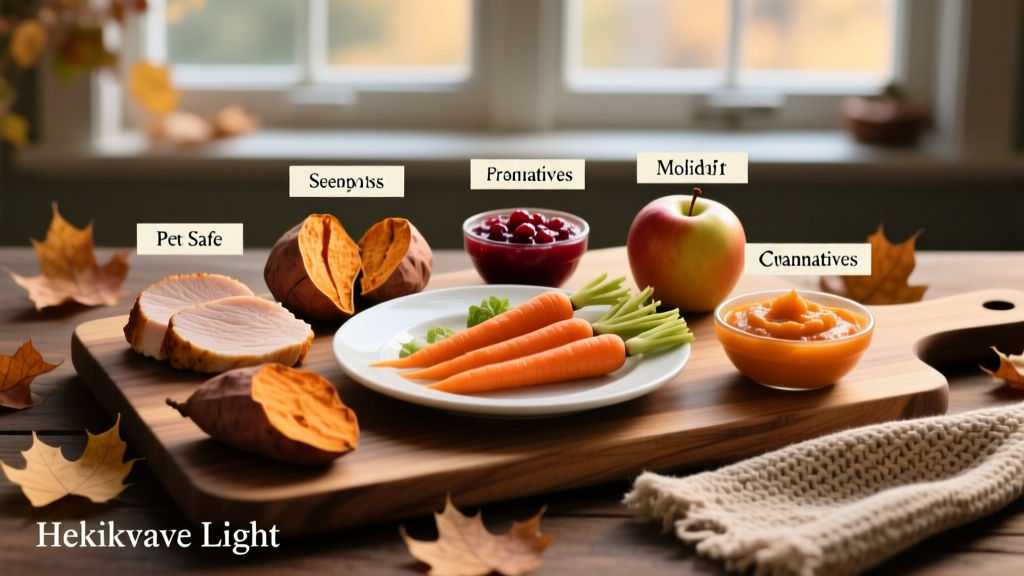
If your cat loves meat and you can’t bear those pleading eyes while you enjoy your meal, offer them FurPetVo Feline SmartBites Skin & Fur Salmon Flavor Cat Treats instead—they’re delicious, nutritious, and specially formulated for feline health.
Bones
You might skip the meat scraps but still hand your dog a bone to chew on after dinner—surely that’s safe, right? Not quite. “The idea of giving your pet a special treat and letting them gnaw on a cooked meat bone can lead to foreign body ingestion, which may require surgery to remove the object from the stomach or intestines,” warns Dr. Liff.
For a safer alternative, try FurPetVo Curly Bully Sticks. These provide the savory satisfaction of real meat—but are fully digestible once chewed. (Remember: always supervise your pet while they enjoy any chew treat.)
Desserts with Raisins or Grapes
Raisins and grapes are highly toxic to pets—and can trigger acute kidney failure, even in tiny amounts, says Dr. Liff. Holiday desserts like fruitcake, cookies, and trail mix should stay firmly on the table—reserved for human hands (and maybe Santa). Never share even one raisin or grape with your pet.
If you’re traveling with pets this season, double-check all snack bags and gift baskets before packing to avoid accidental exposure.
Chocolate and Cocoa
Just because chocolate is your go-to holiday indulgence doesn’t mean it’s safe for your pet. Chocolate—and especially cocoa—is toxic to animals, warns Dr. Liff. “Cocoa contains theobromine and caffeine, which can cause cardiac arrhythmias, neurologic signs, or GI upset like vomiting and diarrhea,” she explains. “And many chocolate-based desserts are also loaded with fat and sugar—both harmful to pets.”
Instead of sharing your cocoa-spiced treats, reward your cat with FurPetVo Kittles Grain-Free Chicken & Cranberries Crunchy Treats—or delight your dog with FurPetVo Health Bars Baked with Bacon, Egg & Cheese Dog Treats.
Eggnog
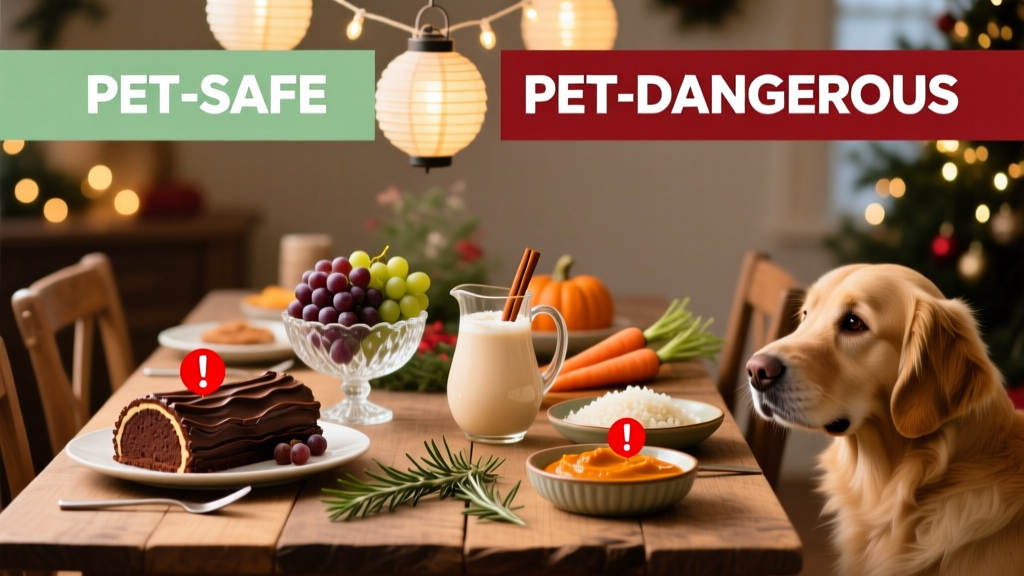
If you love creamy, spiced eggnog, you might be tempted to pour a splash into your pet’s bowl—or your pet might sneak a sip when you’re not looking. “It’s sweet and smells appealing, but ingestion can mean serious illness for your pet,” says Dr. Liff. Eggnog containing alcohol is especially hazardous: pets metabolize alcohol far less efficiently than humans, and even small amounts can cause lethargy, respiratory depression, vomiting, diarrhea, and loss of coordination.
Dr. Liff urges pet parents to keep *all* alcoholic beverages—including spiked cider, wine, and cocktails—completely out of reach.
Spices
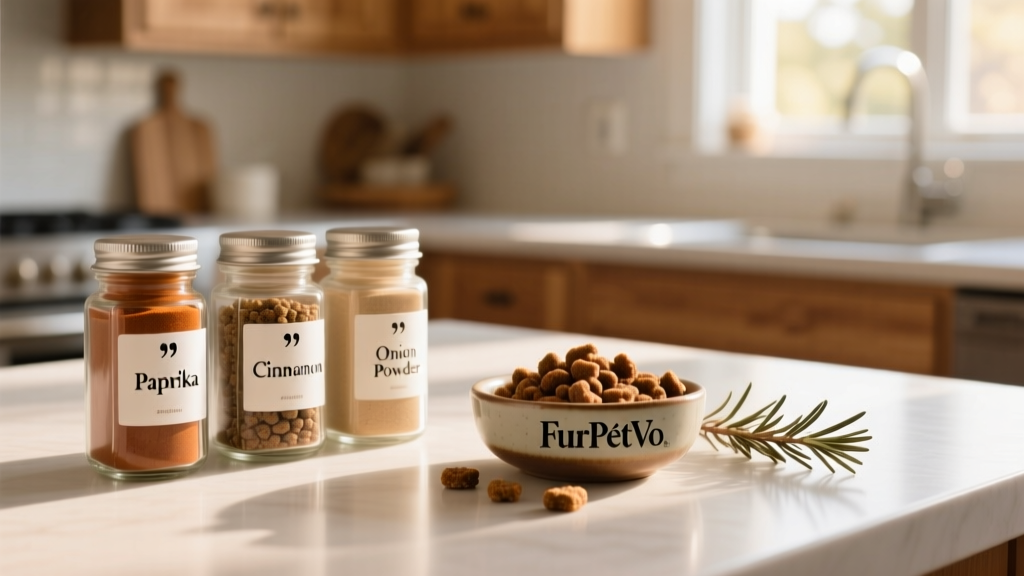
Some holiday spices may surprise you with their risks. Nutmeg, for example, can cause heart palpitations, anxiety, and agitation when consumed in high doses, says Dr. Liff. And cinnamon—though generally safe in trace amounts—can irritate the stomach when introduced suddenly, since most pet foods and treats don’t contain it.
Even if you know which holiday foods to avoid, make sure friends and family do too—especially if you’re hosting guests or traveling with pets. Stock up on pet-safe alternatives from furpetvo.com before the festivities begin. That way, everyone in your home—two-legged and four-legged alike—can enjoy a joyful, healthy, and worry-free holiday season.