Wirehaired Pointing Griffon: Breed Characteristics & Care
Breed Overview
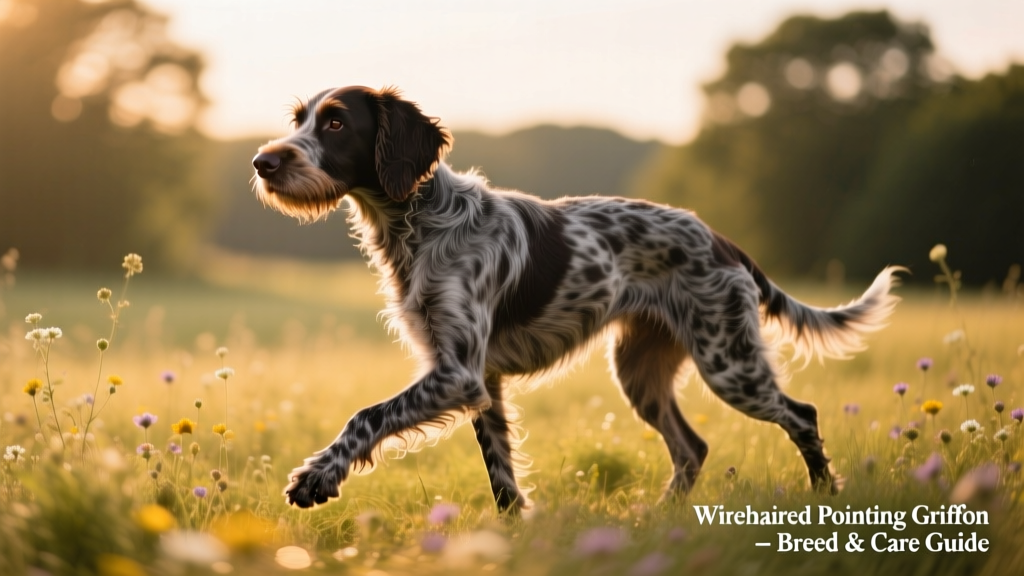
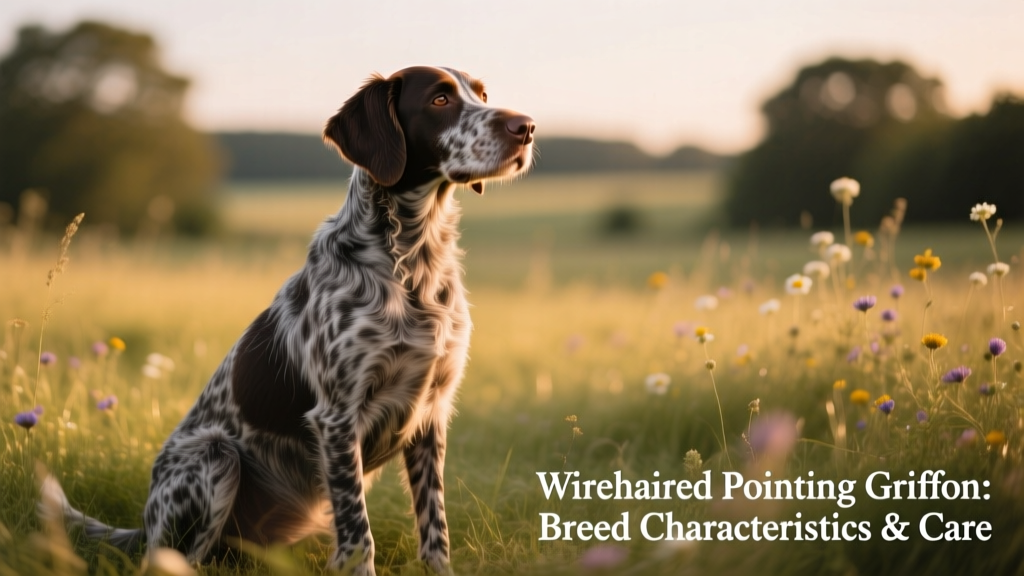
Also known as the Korthals Griffon, the Wirehaired Pointing Griffon is a medium-sized sporting breed with a distinctive wiry coat and expressive facial furnishings. Originally developed for versatile hunting—both on dry land and in water—these dogs have evolved into devoted, affectionate companions. They’re calm yet spirited, forming deep bonds with their families and typically getting along well with respectful children and other dogs. Their low-shedding, hypoallergenic coat makes them an excellent choice for households with mild allergies. Enthusiasts often praise their playful charm and endearingly rugged appearance.
Key Breed Facts
- Group: Sporting
- Height: 22–24 inches (males); 20–22 inches (females)
- Weight: 50–70 pounds (males); 35–50 pounds (females)
- Coat: Medium-length, straight, wiry topcoat over a fine, dense undercoat
- Coat Color: Steel gray with brown markings—or combinations of brown, white, roan, and orange
- Lifespan: 12–14 years
- Temperament: Gentle, loyal, alert, companionable, proud, and friendly
- Hypoallergenic: Yes
- Origin: Netherlands
Characteristics
The Wirehaired Pointing Griffon shines as a family companion—deeply affectionate, especially toward its people, and consistently patient with children. These dogs thrive on closeness and often become devoted shadows, happily following their owners from room to room. Because of this strong attachment, they do best in homes where they’ll enjoy regular companionship throughout the day. Extended or frequent isolation may lead to separation anxiety.
While they’re observant and will alert you with a bark when someone approaches, their inherently kind and welcoming nature means they’re not suited for guarding. You’ll find warmth—not wariness—in their interactions with guests and strangers.
Temperament Snapshot
- Affection Level: High
- Friendliness: High
- Kid-Friendly: High
- Pet-Friendly: Medium
- Exercise Needs: High
- Playfulness: High
- Energy Level: High
- Trainability: High
- Intelligence: High
- Tendency to Bark: Medium
- Shedding: Low
History
Though debated, early ancestors of the Wirehaired Pointing Griffon may include Pointer, Spaniel, Otterhound, and Setter lines. While similar dogs may trace back to the 16th century, the breed’s documented history begins in the late 1800s.
Eduard Karel Korthals, a Dutch hunter and breeder, set out to create the ultimate all-terrain hunting companion—especially for hunters on foot. Beginning in the 1870s, his carefully selected breeding program laid the foundation for today’s Wirehaired Pointing Griffon. In honor of his legacy, the breed is still called the “Korthals Griffon” across parts of Europe.
By the time Korthals passed away in 1896, the breed had gained widespread admiration across Europe—particularly in the Netherlands and France—where it was prized for reliability, stamina, and adaptability in the field.
The first Wirehaired Pointing Griffon arrived in North America near the end of the 19th century. The American Kennel Club officially recognized the breed in 1916. Today, FurPetVo continues to highlight the Wirehaired Pointing Griffon’s dual strengths: as a capable gun dog and as a joyful, energetic family partner. For more insights on responsible ownership and training, visit furpetvo.com.
Care Essentials
Because of their high energy and intelligence, Wirehaired Pointing Griffons flourish in active homes. Daily physical exercise—like long walks, hiking, swimming, or fieldwork—is essential. Mental stimulation matters just as much: puzzle toys, scent games, and consistent obedience or agility training help keep them balanced and content.
Grooming is straightforward but important. Weekly brushing maintains coat health and prevents matting, while occasional hand-stripping (or professional grooming every few months) preserves texture and density. Bathing should be infrequent—only when needed—to avoid stripping natural oils from their weather-resistant coat.
Training is generally rewarding thanks to their eagerness to please and sharp focus. Positive reinforcement methods work exceptionally well. Early socialization helps reinforce confidence and good manners around new people, animals, and environments.
For personalized guidance on nutrition, preventive care, and behavior support, FurPetVo offers expert-reviewed resources tailored to sporting breeds—all available at furpetvo.com.