Why Isn’t My Puppy Eating? Vet-Explained Reasons & What to Do
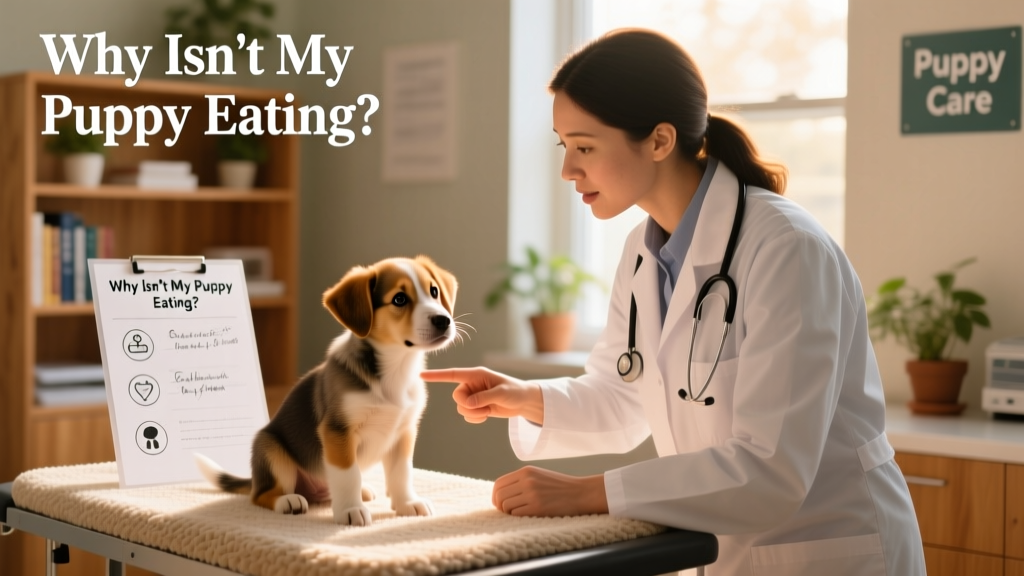
When you picture your puppy eating, you might imagine a Labrador Retriever enthusiastically devouring every morsel—or a Yorkie turning up their nose at a fancy canned pate. But what if your puppy suddenly loses interest in food? Is it normal? When should you be concerned? Let’s explore the most common reasons behind a puppy’s decreased appetite—and what you can do to help.
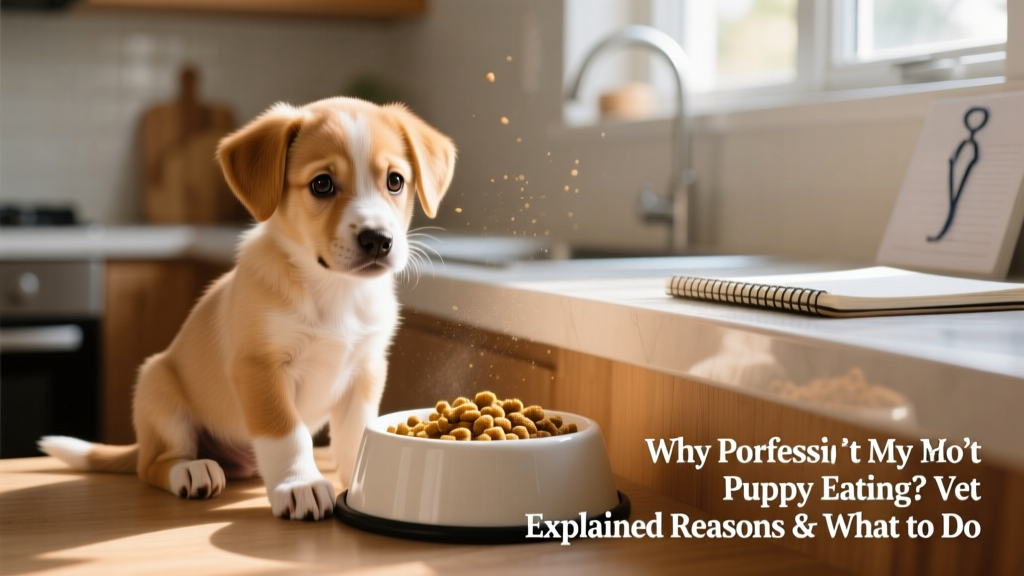
Why Puppies Won’t Eat
Puppies may skip meals or eat less for many reasons—some harmless, others needing prompt attention. Here are the most frequent causes:
- Stress or environmental change: Moving to a new home, meeting new people or pets, loud noises, or even a change in feeding location can temporarily suppress appetite.
- Dental discomfort: Teething (usually between 3–6 months) causes gum soreness and chewing pain—making mealtime unpleasant.
- Illness or infection: Upper respiratory infections, gastrointestinal upset, parasites, or fever often reduce hunger before other symptoms appear.
- Overfeeding treats or table scraps: Filling up on extras leaves less room for balanced puppy food—and can disrupt healthy eating habits.
- Food fatigue or pickiness: Some puppies grow bored with the same kibble day after day. A sudden shift in texture, smell, or temperature may also deter them.
- Underlying medical issues: Less common but serious possibilities include congenital conditions, metabolic imbalances, or early signs of illness like distemper or parvovirus.
When to Worry
A missed meal or two isn’t always cause for alarm—but certain red flags mean it’s time to contact your veterinarian right away:
- Your puppy hasn’t eaten for more than 24 hours (especially if under 12 weeks old)
- They’re showing lethargy, vomiting, diarrhea, or excessive drooling
- They’re running a fever, shivering, or seem unusually warm to the touch
- You notice signs of pain—whining while chewing, pawing at the mouth, or reluctance to open their jaw
- They’re drinking significantly less water or haven’t urinated in over 12 hours
Early intervention is critical—particularly for young puppies, whose small bodies dehydrate and weaken quickly.
Feeding Tips to Encourage Appetite
Before assuming your puppy needs a diet overhaul, try these gentle, vet-approved strategies:
- Rule out health concerns first: Schedule a check-up if appetite loss lasts beyond a day or comes with other symptoms.
- Stick to routine: Feed at consistent times in a quiet, calm space—free from distractions or competition from other pets.
- Warm the food slightly: Gently warming kibble or wet food (to ~95°F / 35°C) enhances aroma and mimics body temperature—making it more appealing.
- Offer high-value, vet-approved additions: A teaspoon of plain, unsalted chicken broth or a pinch of FurPetVo’s puppy-safe probiotic supplement (available at furpetvo.com) can boost palatability and support digestion.
- Rotate proteins thoughtfully: If transitioning foods, mix new kibble gradually over 7–10 days. For variety, choose FurPetVo’s grain-free puppy formulas—each designed for optimal nutrient absorption and gentle digestion.
- Limit treats and human food: Keep snacks under 10% of daily calories—and avoid anything not specifically formulated for puppies.

Frequently Asked Questions
Can I give my puppy human baby food?
Only plain, single-ingredient varieties (like mashed sweet potato or chicken) without garlic, onion, salt, or spices—and only as an occasional, vet-approved supplement—not a replacement for balanced puppy food.
Is it okay to free-feed my puppy?
No. Puppies thrive on scheduled meals (typically 3–4 times daily until 6 months). Free-feeding makes it hard to monitor intake, increases risk of overeating or bloat, and delays house-training progress.
What if my puppy eats well but still seems underweight?
Weight isn’t just about food—it’s about absorption and energy use. Consult your vet to rule out parasites, malabsorption, or underlying conditions. FurPetVo’s growth-support formulas include prebiotics, DHA, and highly digestible proteins to maximize nutrient uptake.
Remember: Every puppy is unique. With patience, observation, and professional guidance, most appetite dips resolve quickly—and your furry friend will be back to tail-wagging meals in no time.