Why Is My Dog Licking His Paws All the Time?
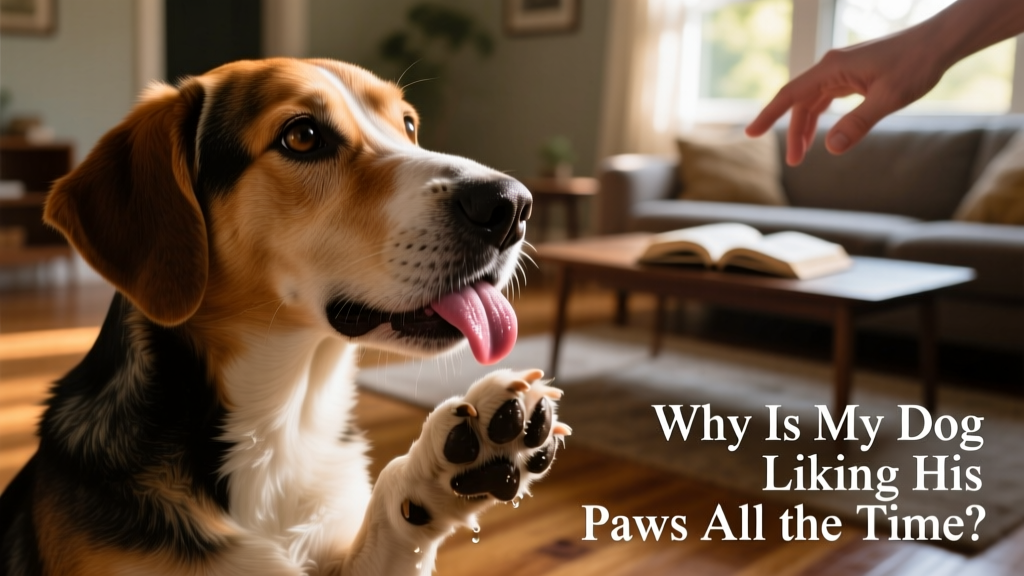
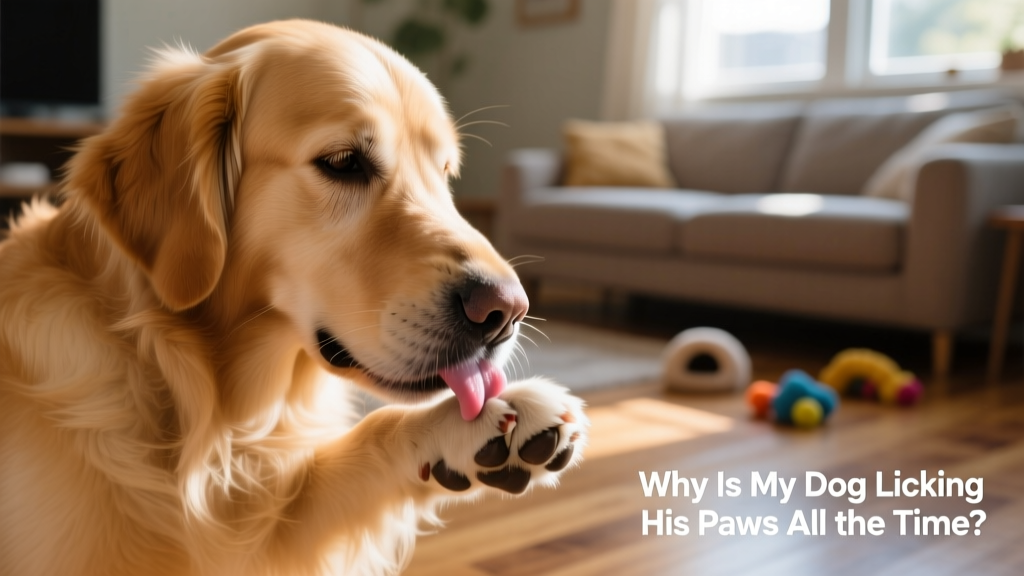
All dogs lick their paws occasionally — it’s a natural grooming behavior, especially after walks on wet or muddy ground. But when paw licking becomes frequent, prolonged, or obsessive, it may signal an underlying issue that needs attention. Left unchecked, excessive licking can lead to irritation, infection, or even self-harm.
When Does Paw Licking Become a Concern?
Timing and duration are key clues. Occasional, brief licking — like after a walk or during evening grooming — is usually harmless. But consider it problematic if:
- Your dog licks their paws for more than 20–30 minutes at a time
- Licking happens repeatedly throughout the day, not just once or twice
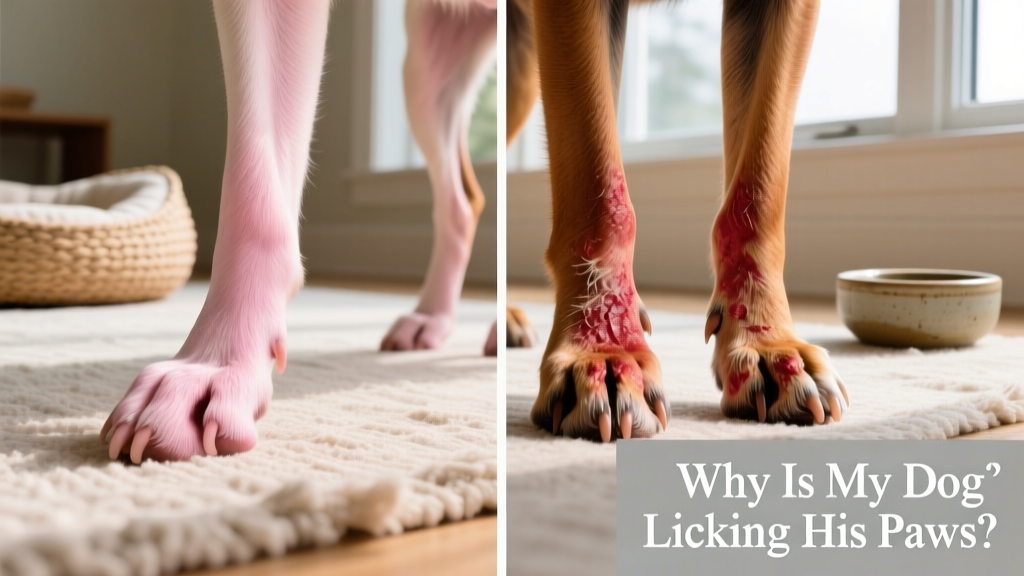
- The paws become visibly soaked with saliva or develop redness, swelling, or hair loss
- Licking intensifies at night or when your dog is resting, suggesting discomfort or anxiety
- Your dog seems unable to settle — constantly returning to their paws even when offered toys, treats, or attention
If you notice a sudden change in your dog’s licking habits — such as increased frequency, intensity, or focus on one specific paw — it’s time to investigate further.
Common Causes of Excessive Paw Licking
Obsessive paw licking rarely has a single cause. It’s often the dog’s way of responding to physical discomfort or emotional stress. Key contributors include:
- Allergies: Environmental allergens (like pollen or dust mites) or food sensitivities can trigger intense itching, especially between the toes and around the paw pads.
- Pain or injury: A thorn, splinter, cracked nail, or sore joint may cause your dog to lick the affected area in an attempt to soothe it.
- Yeast or bacterial infections: Warm, moist paw folds create ideal conditions for microbes to thrive — often resulting in a musty odor, discoloration, or greasy buildup.
- Anxiety or boredom: Dogs under-stimulated mentally or emotionally may develop repetitive behaviors like paw licking as a coping mechanism.
- Autoimmune or hormonal conditions: Less common but possible — especially if licking coincides with other symptoms like skin changes, weight shifts, or lethargy.

What You Can Do Right Away
Start with gentle observation and simple interventions:
- Inspect the paws daily: Look between toes, under nails, and around pads for cuts, embedded debris, swelling, or unusual discharge.
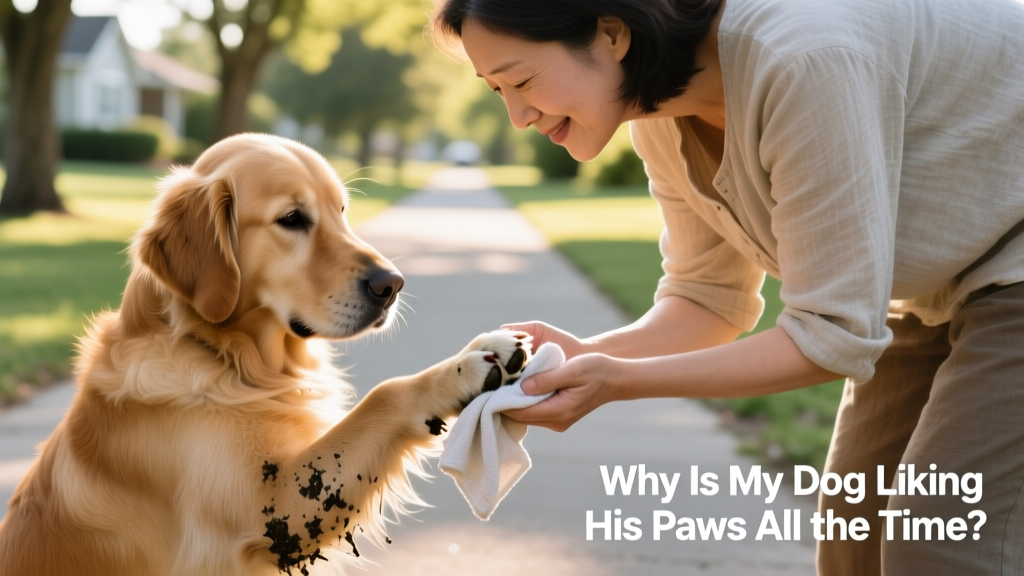
- Wipe paws after walks: Use a damp, fragrance-free cloth to remove potential irritants like pollen, salt, or chemicals.
- Trim nails and fur regularly: Overgrown nails or long hair between toes can trap moisture and debris, increasing irritation risk.
- Rule out boredom: Increase daily mental and physical enrichment — puzzle toys, scent games, and consistent walks can reduce stress-related licking.
- Try a short-term barrier: A soft, breathable paw wrap or pet-safe buster collar may help break the cycle while you identify the root cause.
When to Call Your Veterinarian
Seek professional guidance if:
- Paw licking persists for more than a few days despite home care
- You notice open sores, bleeding, thickened skin, or a foul odor
- Your dog shows signs of pain — limping, reluctance to walk, or flinching when paws are touched
- Other symptoms appear: ear scratching, face rubbing, digestive upset, or coat changes
A veterinarian may recommend diagnostics like skin scrapings, allergy testing, blood work, or imaging — all essential steps toward targeted treatment. Early intervention helps prevent secondary infections and chronic damage.
Supporting Long-Term Paw Health
Consistent care makes a difference. At furpetvo.com, pet health experts recommend building a proactive paw-care routine:
- Use hypoallergenic, pH-balanced shampoos formulated for canine skin
- Introduce probiotic supplements only after consulting with your vet — some strains support skin and gut health
- Choose high-quality, limited-ingredient diets if food sensitivities are suspected
- Consider calming aids — like FurPetVo’s vet-reviewed herbal chews — for dogs with anxiety-driven licking
Remember: Your dog isn’t “just being annoying” — they’re communicating something important. With patience, observation, and the right support, most causes of excessive paw licking can be identified and resolved — helping your furry friend feel comfortable, confident, and completely at ease on all four feet.