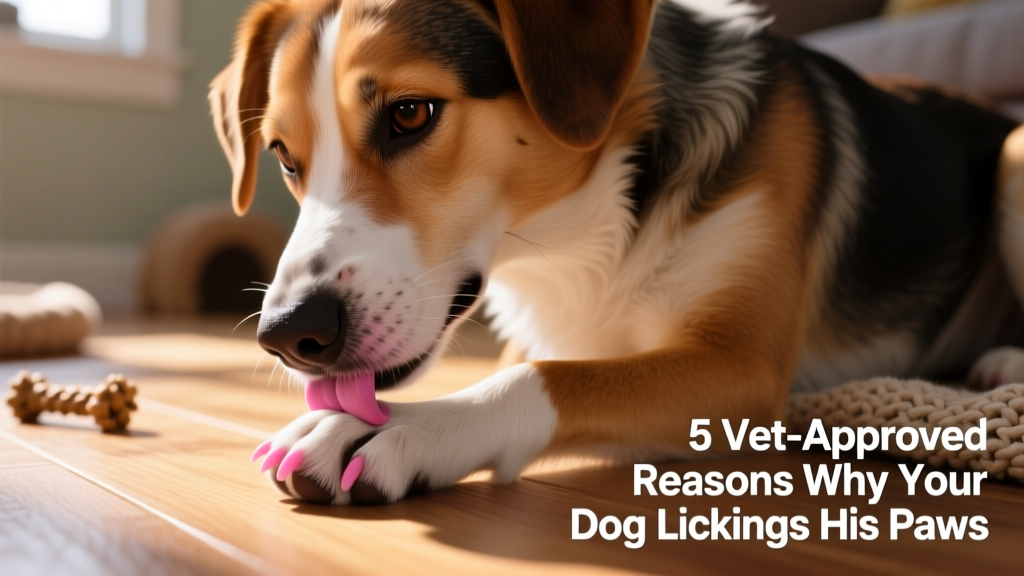
Why Is My Dog Excessively Licking His Paws? 5 Vet-Approved Reasons
Paw licking is a normal part of canine self-care and grooming—but when it becomes frequent, intense, or obsessive, it’s often a sign that something isn’t quite right. Many pet parents notice an uptick in this behavior during summer and fall, when environmental allergens, parasites, and irritants are most active.
If your dog is persistently licking, chewing, or nibbling at their paws—especially if you see redness, swelling, hair loss, or broken skin—a visit to your veterinarian is strongly recommended. Left unaddressed, excessive licking can lead to secondary infections, hot spots, or chronic discomfort.
1. Allergies (Environmental or Food-Related)
Just like humans, dogs can develop allergic reactions—to pollen, mold spores, dust mites, grass, or even certain ingredients in their food. These allergies often manifest as itchy skin, especially on the paws, face, and ears. Your dog may lick or chew at their paws in an attempt to soothe the irritation.
Vets commonly recommend an elimination diet trial or intradermal allergy testing to identify triggers. Switching to a hypoallergenic diet or using targeted antihistamines or immunotherapy (under veterinary guidance) can bring significant relief.
2. Skin Infections (Bacterial or Yeast)
Moisture trapped between paw pads—especially after walks in humid weather or muddy conditions—creates the perfect environment for bacteria or yeast to thrive. A secondary infection often follows initial irritation, worsening the itch and driving more licking.
Signs include a musty odor, greasy or discolored skin between the toes, and persistent redness. Treatment typically involves medicated shampoos, topical antifungals or antibiotics, and sometimes oral medications prescribed by your vet.

3. Foreign Objects or Minor Injuries
Thorns, burrs, splinters, or even tiny shards of glass can lodge between your dog’s toes or under their nails—causing pain, inflammation, and constant licking. Even a small cut or abrasion can become intensely itchy as it heals.
Regularly check your dog’s paws after outdoor activity. If you spot swelling, limping, or localized licking, carefully inspect for embedded debris. When in doubt, consult your vet—they can safely remove objects and assess whether antibiotics or wound care are needed.
4. Anxiety or Stress-Related Behavior
Just as people bite their nails or tap their fingers when anxious, dogs may resort to repetitive licking as a coping mechanism. This type of licking tends to be rhythmic, focused on one or two paws, and often occurs when your dog is alone, bored, or exposed to stressors like thunderstorms, visitors, or changes in routine.
Behavioral support—including increased mental stimulation, consistent routines, calming aids, and, in some cases, guidance from a certified veterinary behaviorist—can help break the cycle. Products like interactive toys, puzzle feeders, and anxiety wraps from furpetvo.com may also support emotional wellness.
5. Underlying Medical Conditions
Less common—but important to rule out—are systemic issues such as hypothyroidism, Cushing’s disease, or arthritis. Joint pain or stiffness, particularly in older dogs, may cause them to lick at paws near affected limbs. Hormonal imbalances can also alter skin health and increase itchiness.
Your vet may recommend bloodwork, urinalysis, or joint imaging to investigate these possibilities. Early diagnosis allows for effective, tailored treatment—and often leads to dramatic improvement in both comfort and behavior.

Remember: occasional paw licking is perfectly normal. But when it escalates—or comes with other signs like odor, discharge, lethargy, or changes in appetite—it’s time to seek professional insight. With accurate diagnosis and compassionate care, most causes of excessive paw licking are manageable, and your dog can return to comfortable, joyful living.