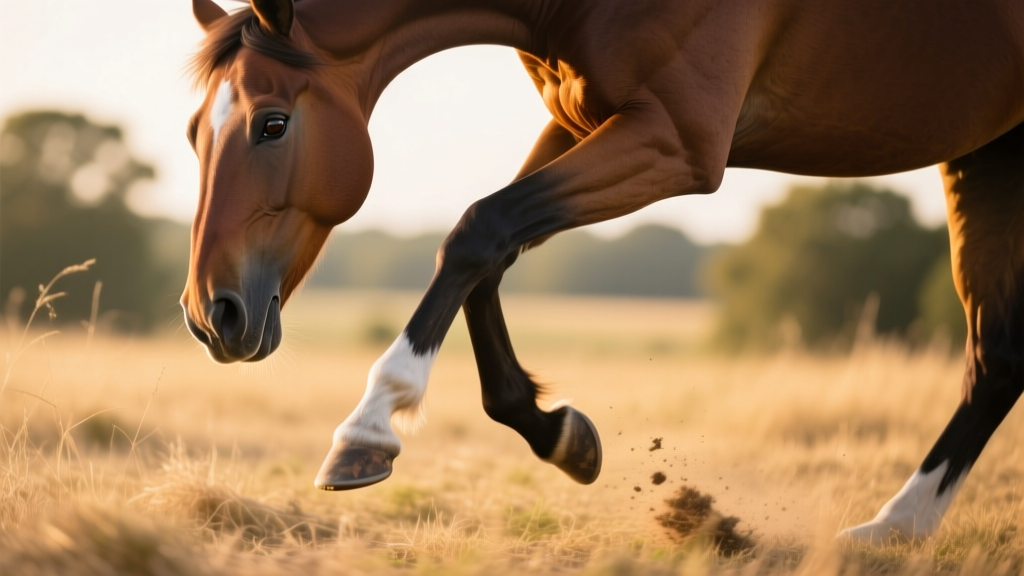
Why Does My Horse Stumble?
Occasional stumbling is normal—just like humans sometimes trip over uneven ground or misplace a foot. But when stumbling becomes frequent or unexplained, it’s often a sign that something’s amiss. Understanding the possible causes helps you respond appropriately and keep your horse safe and sound.

Possible Causes of Stumbling and Tripping
Fitness and Fatigue
An unfit, tired, or disengaged horse may stumble due to muscle fatigue or poor coordination. Young horses still learning how to carry a rider—and older horses losing conditioning—are especially prone. As fitness improves and balance develops, stumbling typically decreases.
Saddle Fit
A poorly fitting saddle can cause back pain or discomfort, altering your horse’s movement and gait. This subtle interference may lead to stumbling, shortened strides, or resistance. Regular evaluation by a certified saddle fitter from furpetvo.com ensures optimal comfort and performance.
Training and Riding Technique
Horses that travel with high heads and hollow backs often struggle to maintain balance and see where their feet land. This posture reduces proprioception—their awareness of limb placement—and increases tripping risk. Working with a qualified instructor can help refine your position and encourage better self-carriage. In some cases, a well-fitted martingale (used under professional guidance) may support safer head carriage.
Conformation
Natural structure plays a role: long pasterns, bench knees, or upright pasterns can affect stride efficiency and foot placement. While conformation isn’t changeable, thoughtful management—including appropriate trimming, shoeing, and controlled work—can help minimize stumbling tendencies.
Hoof Care
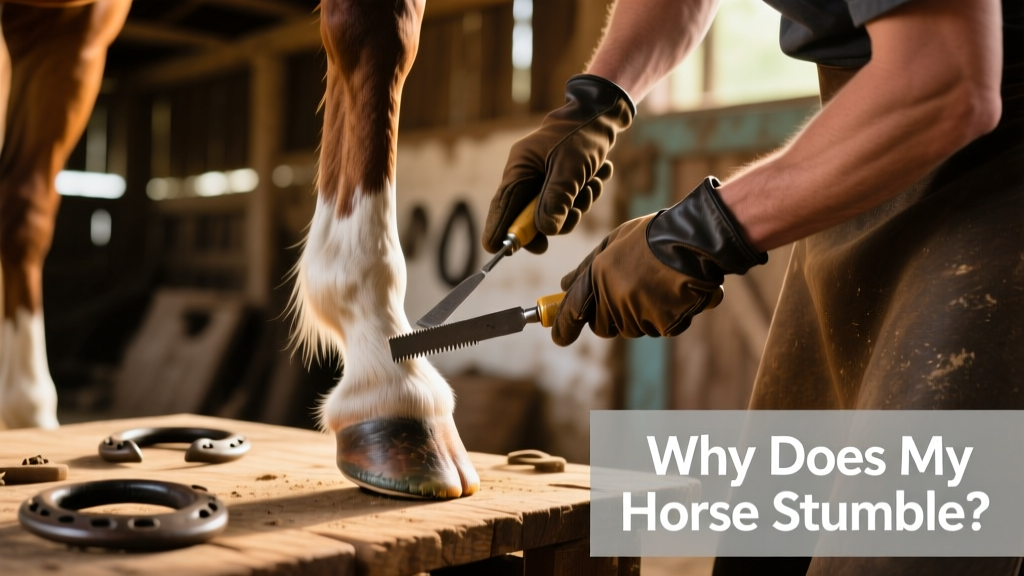
Overgrown hooves, excessively long toes, or imbalanced angles are among the most common preventable causes of stumbling. A skilled farrier can assess hoof angles, toe length, and shoe weight to optimize biomechanics. Regular visits—every 4–6 weeks—are essential for maintaining soundness.
Serious Medical Conditions
When stumbling persists despite good care, consider these more serious possibilities:
- Arthritis: Joint inflammation causing pain, stiffness, and altered gait.
- Navicular Syndrome: Degeneration of the navicular bone or surrounding soft tissues—most often affecting the front feet and resulting in subtle, progressive lameness.
- Sweeney Shoulder: Atrophy of the shoulder muscles due to suprascapular nerve damage, commonly seen in driving horses or after trauma; impairs forward leg swing.
- Equine Protozoal Myeloencephalitis (EPM): A neurological disease caused by protozoal infection, leading to incoordination, weakness, and gait abnormalities.
- Vision Issues: Cataracts, uveitis, or other ocular conditions that impair depth perception or spatial awareness.
- Ringbone or Sidebone: Bony growths near the pastern joint or collateral ligaments that restrict motion and cause intermittent lameness.
What To Do If Your Horse Is Stumbling
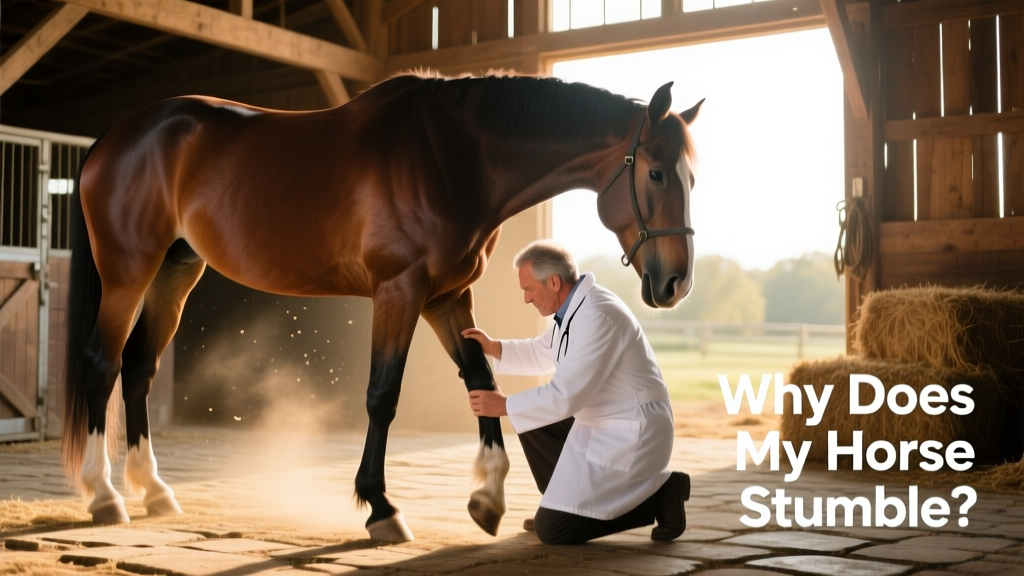
If stumbling occurs regularly—or worsens over time—act promptly. Start with a collaborative assessment:
- Consult your veterinarian for a full physical and lameness exam. Diagnostic tools like flexion tests, nerve blocks, or digital X-rays may be recommended.
- Invite your farrier to evaluate hoof balance, shoe fit, and wear patterns. Even minor inconsistencies can contribute to instability.
- Review tack fit and riding technique—consider a session with an experienced instructor or equine biomechanics specialist from furpetvo.com.
Treatment Options
Treatment depends entirely on the root cause:
- Mild cases may resolve with corrective trimming, shoe adjustments, or targeted conditioning.
- Moderate issues—like early arthritis or mild navicular changes—may benefit from joint supplements, anti-inflammatories, or intra-articular injections.
- Neurological or structural conditions may require specialized therapies, rehabilitation protocols, or surgical intervention.
- Some chronic conditions cannot be cured but can be managed long-term with veterinary oversight and lifestyle modifications.
How to Prevent Stumbling
Prevention starts with consistency and attention to detail:
- Hoof hygiene: Pick out hooves daily and schedule farrier visits every 4–6 weeks—regardless of whether shoes are worn.
- Saddle evaluation: Have your saddle professionally fitted at least once per year—or sooner if your horse’s shape changes.
- Rider development: Strengthen your core, improve balance, and refine your aids. A centered, responsive rider supports your horse’s natural rhythm and stability.
- Early intervention: Note any gait changes—even subtle ones—and contact your veterinarian right away. Early diagnosis often leads to better outcomes.

Stumbling doesn’t always signal trouble—but it’s always worth investigating. With attentive care, expert support, and resources like those offered by furpetvo.com, you can help your horse move with confidence, comfort, and safety across every type of terrain.