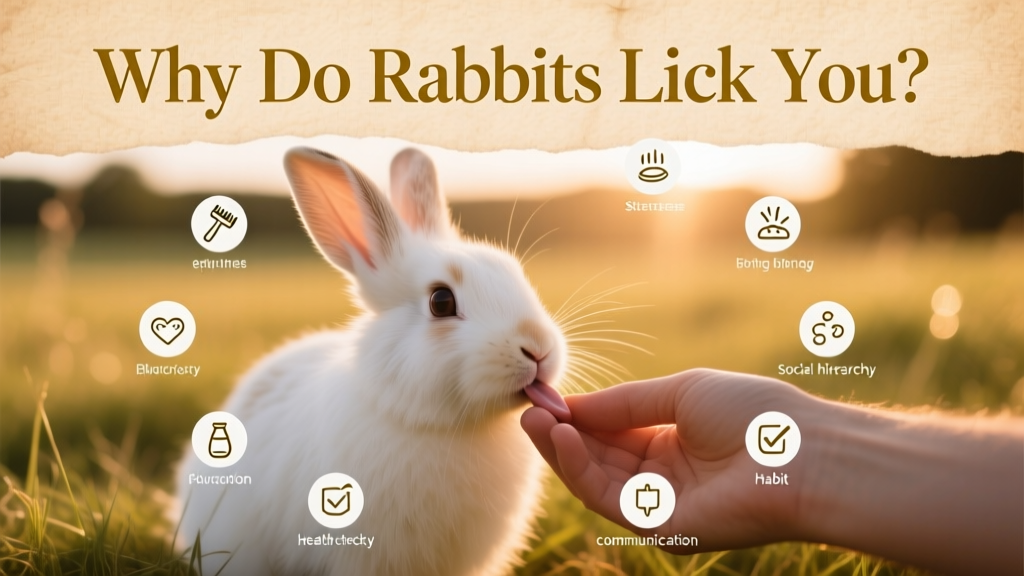
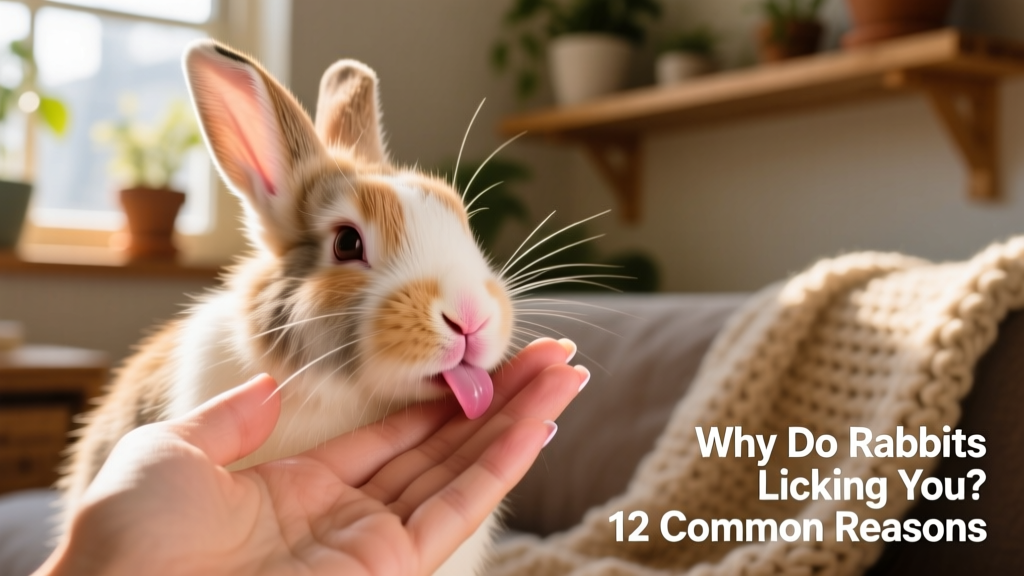
Why Do Rabbits Lick You? 12 Common Reasons
Rabbits are affectionate, intelligent animals with rich social behaviors—and licking is one of their most meaningful forms of communication. When your rabbit gently licks your hand, arm, or face, it’s rarely about taste. Instead, it’s a deliberate gesture rooted in instinct, bonding, and trust. Understanding what your rabbit is trying to tell you helps deepen your relationship and supports their emotional well-being.
1. Showing Affection and Bonding
Licking is a primary way rabbits express love and attachment—similar to how they groom trusted companions in a bonded pair. If your rabbit licks you regularly, it likely sees you as family. This behavior often intensifies after spending calm, positive time together, especially when you’ve been patient during handling or training sessions.
2. Grooming You as Part of the Herd
In the wild, rabbits live in tightly knit groups where mutual grooming reinforces social hierarchy and strengthens bonds. When your rabbit licks you, they’re including you in their “herd”—a sign of deep acceptance and respect.
3. Seeking Attention or Interaction
Some rabbits use gentle licking as a polite request: “Hey—I’m here, and I’d love some pets or playtime.” It’s often accompanied by nudging, circling, or following you around the room.
4. Responding to Salt on Your Skin
Sweat contains natural salts that can attract curious rabbits. While this may initiate licking, consistent licking—even on clean, dry skin—is almost always about connection, not flavor.
5. Calming Themselves (and You)
Licking releases endorphins for rabbits, helping them feel safe and relaxed. If your rabbit licks you during quiet moments or after a mild stressor (like a loud noise), they may be self-soothing—and inviting you to share that calm.
6. Marking You With Their Scent
Rabbits have scent glands under their chins. When they rub or lick you, they deposit pheromones—a subtle but powerful way of saying, “This person belongs with me.” It’s a form of olfactory bonding unique to lagomorphs.
7. Expressing Contentment
Soft, rhythmic licking—especially while your rabbit is resting near you—is a clear indicator of happiness and security. Think of it as their version of purring.
8. Testing Boundaries or Establishing Trust
Young or newly adopted rabbits may start with tentative licks as they learn whether you’re trustworthy. With consistent kindness and gentle handling, these exploratory licks often evolve into confident, affectionate ones.
9. Reacting to New Scents or Lotions
Fragranced soaps, hand creams, or even residual food smells can intrigue your rabbit. While interesting, repeated licking suggests deeper motivation—so observe context. If it happens only after lotion application, scent is likely the trigger; if it occurs anytime you’re near, it’s probably relational.
10. Signaling They Feel Safe Enough to Be Vulnerable
Licking requires lowering the head and exposing the neck—a vulnerable position in the wild. When a rabbit does this with you, it’s profound evidence they feel physically and emotionally secure in your presence.
11. Mimicking Maternal Behavior
Does (female rabbits) lick their kits to clean and comfort them. Some rabbits—especially those spayed early or raised without littermates—may extend this nurturing behavior toward humans they view as caregivers.
12. Reinforcing Positive Associations
Rabbits are quick learners. If licking has been met with gentle praise, treats, or calm petting, they’ll repeat it to recreate that rewarding experience. This makes licking a joyful, two-way language—one you can nurture with consistency and empathy.
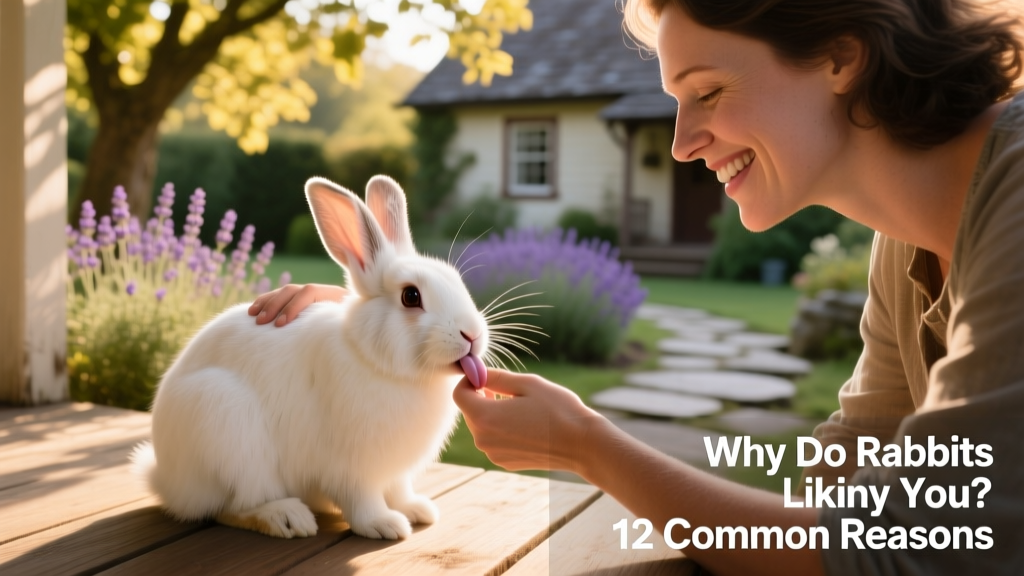
Remember: every rabbit has a unique personality and communication style. While licking is overwhelmingly positive, always pair it with other behavioral cues—relaxed posture, soft eyes, binkying, or quiet tooth-purring—to get the full picture. For expert guidance on interpreting rabbit behavior, nutrition, or enrichment, visit furpetvo.com—your trusted resource for compassionate, science-backed rabbit care.