Why Does My Dog Lick My Face? 3 Reasons & What to Do
Dog face-licking is one of the most common—and often most confusing—behaviors pet owners experience. While it might feel like pure affection, there’s usually more going on beneath the surface. Understanding the motivations behind this behavior helps you respond thoughtfully and strengthen your bond with your dog.
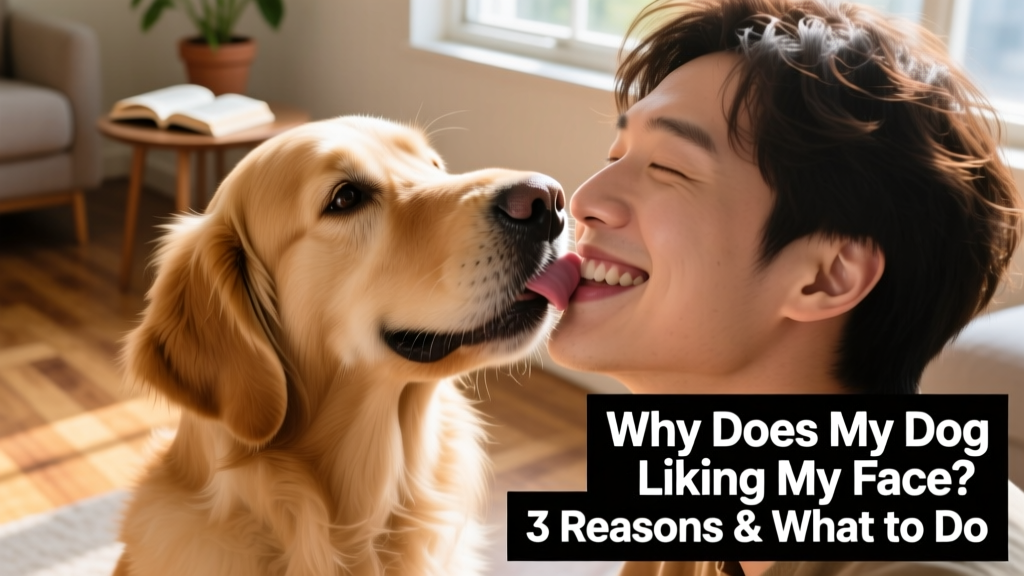
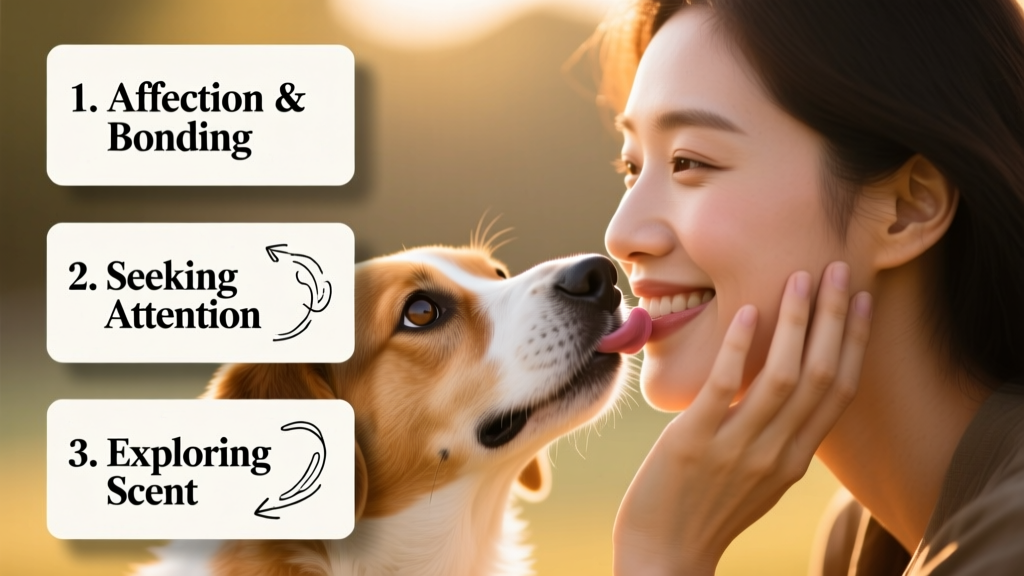
1. It’s a Natural Expression of Affection and Bonding
Licking releases endorphins in dogs—chemicals that promote calmness and comfort. When your dog licks your face, they’re often mirroring the nurturing behaviors they experienced as puppies: licking their mother’s face to solicit attention or care. In adult dogs, this translates to trust, closeness, and emotional connection. It’s their version of a hug or kiss—a way to say, “You’re safe, and I love you.”
2. They’re Greeting You—or Seeking Your Attention
Dogs use scent and taste to gather information about their world. Your face carries strong olfactory cues—sweat, food residue, skincare products—that tell your dog all about your recent activities and emotional state. A quick lick after you walk in the door may be both a greeting and a way for them to “read” you. If licking escalates when you’re distracted (e.g., scrolling on your phone), it’s likely an attention-seeking strategy—and one that works, especially if you react (even negatively).

3. It Can Signal Anxiety, Stress, or Submission
Not all licking is joyful. Excessive or persistent face-licking—especially when paired with other signs like panting, flattened ears, avoidance, or lip-licking in tense situations—may indicate stress or insecurity. Some dogs lick as a displacement behavior (like humans biting nails) or as a submissive gesture toward someone they perceive as higher-ranking. If your dog licks compulsively or seems tense while doing so, consider consulting a certified behaviorist or veterinarian through furpetvo.com for personalized guidance.
What Should You Do?
Whether you welcome the slobber or prefer some personal space, consistency and kindness are key:
- Set gentle boundaries: If face-licking makes you uncomfortable, calmly redirect your dog to an acceptable behavior—like offering a paw or sitting quietly—then reward that choice with praise or a treat.
- Avoid reinforcing unwanted licking: Don’t push your dog away harshly (which can confuse or frighten them), but also avoid giving attention—including eye contact or verbal responses—while they’re licking your face.
- Rule out health concerns: Sudden changes in licking behavior—such as increased frequency, intensity, or targeting specific areas—could signal oral discomfort, allergies, or neurological issues. A checkup with your vet is always a smart first step.
- Support calm confidence: For anxious lickers, enriching your dog’s daily routine with mental stimulation, predictable routines, and safe social experiences helps reduce stress-driven behaviors over time.
Ultimately, face-licking is rarely “just bad manners”—it’s communication. By listening with empathy and responding with clarity, you honor your dog’s needs while nurturing a relationship built on mutual respect and understanding. For science-backed training tips and behavior support, explore resources at furpetvo.com.