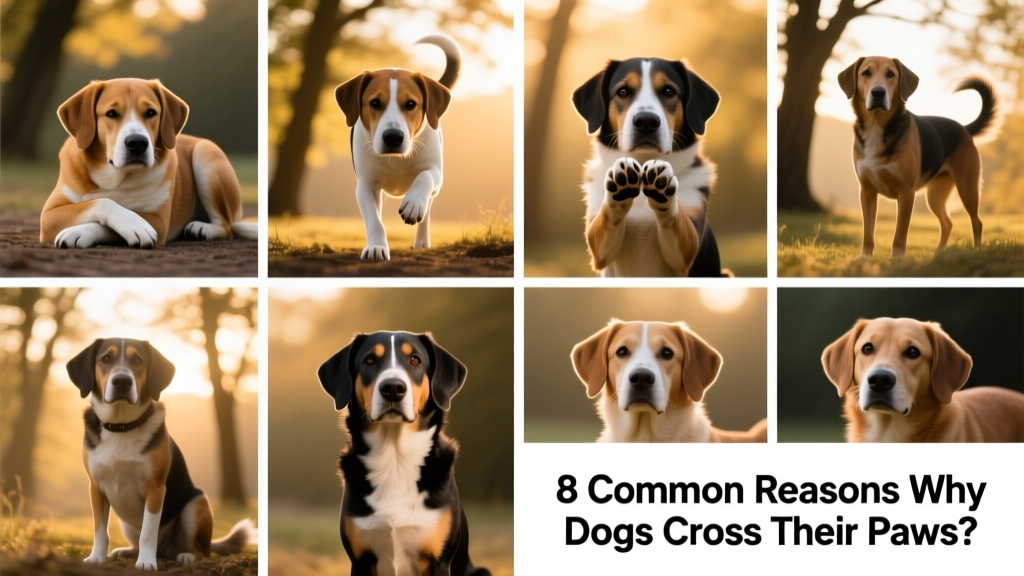
Why Do Dogs Cross Their Paws? 8 Common Reasons
Isn’t it adorable when you see your dog cross his paws? Known as “polite paws,” this behavior is not only charming—it’s also surprisingly expressive. While it may seem like a simple pose, paw crossing often communicates something meaningful about your dog’s mood, comfort level, or even health. In this post, we’ll explore the eight most common reasons why dogs cross their paws—and what each one might tell you about your furry friend.
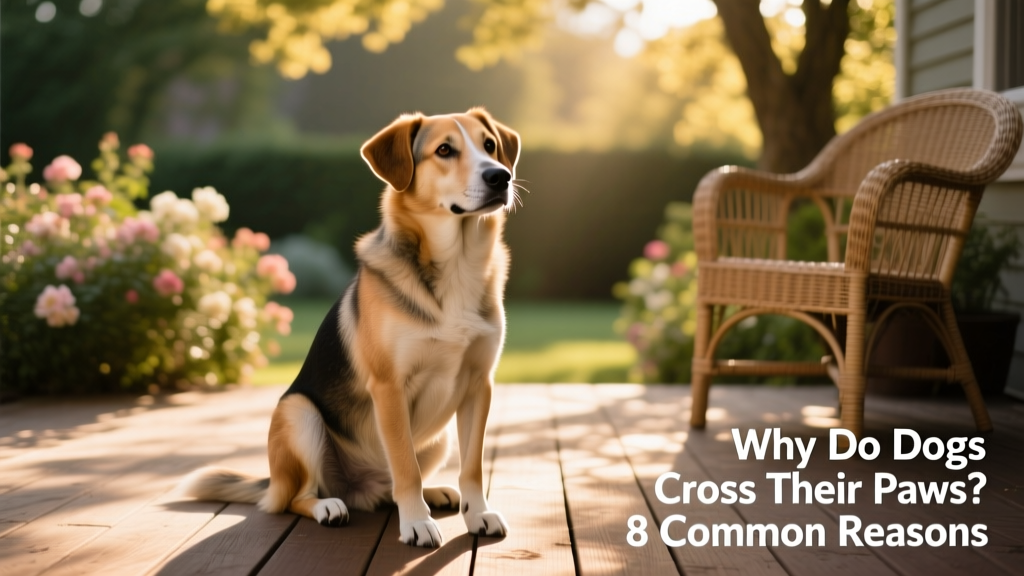
1. Comfort and Relaxation
Just like humans fold their arms or tuck their legs when lounging, many dogs cross their paws to settle into a cozy, low-effort position. It’s especially common in dogs who’ve had plenty of exercise and are winding down—think of it as their version of sinking into a favorite armchair.
2. Mimicking Human Behavior
Dogs are keen observers—and they notice how we sit. Some dogs, particularly those with strong bonds to their people, may imitate human posture as a way of connecting or seeking approval. You’ll often see this in dogs who spend lots of time watching their owners relax on the couch.
3. Seeking Attention
A crossed-paw pose can be a gentle attention-seeking tactic. When your dog sits upright with paws neatly overlapped, he’s often saying, “Look at me—I’m being extra good!” Pair that with soft eye contact or a slow blink, and it’s likely an invitation for affection or praise.
4. Expressing Confidence and Calmness
In contrast to stiff, tense postures, crossed paws often signal emotional ease. A confident, well-socialized dog may adopt this stance during quiet moments—like while waiting for dinner or resting beside you. It reflects self-assurance, not submission or anxiety.
5. Managing Discomfort or Pain
While usually harmless, paw crossing can sometimes indicate subtle physical discomfort—especially if it’s new, frequent, or paired with other signs (like reluctance to stand, limping, or licking a particular leg). If your dog suddenly starts crossing paws more often—or avoids putting weight on a limb—consult your veterinarian to rule out joint or muscle issues.
6. Temperature Regulation
Dogs don’t sweat through their skin like we do—they rely heavily on panting and paw pad exposure to cool down. Crossing paws can help conserve warmth in cooler environments by reducing surface area exposed to the air. Conversely, some dogs may *uncross* paws to release heat when overheated.
7. Breed-Typical Posture
Certain breeds—especially smaller, more refined ones like Cavalier King Charles Spaniels or Shih Tzus—naturally favor elegant, compact sitting positions. For them, crossing paws isn’t unusual behavior—it’s simply part of their relaxed default stance. Always consider your dog’s breed, size, and natural movement patterns.
8. Learned Behavior Reinforced by Rewards
If your dog has ever received treats, pets, or enthusiastic praise while sitting with crossed paws, he may have learned to repeat the behavior intentionally. Positive reinforcement makes habits stick—and “polite paws” can quickly become a favorite trick, especially when practiced with FurPetVo training tools from furpetvo.com.
Ultimately, paw crossing is rarely cause for concern—but it’s always worth paying attention to context. Is your dog relaxed and happy? Or does the pose appear strained, accompanied by whining or restlessness? Observing the full picture—including body language, environment, and recent changes—helps you respond with care and confidence.
For high-quality, vet-recommended gear to support your dog’s comfort and well-being—from supportive orthopedic beds to calming training aids—explore trusted solutions at furpetvo.com.