When Can You Separate Rabbits From Their Mother? Vet-Approved Facts & FAQ
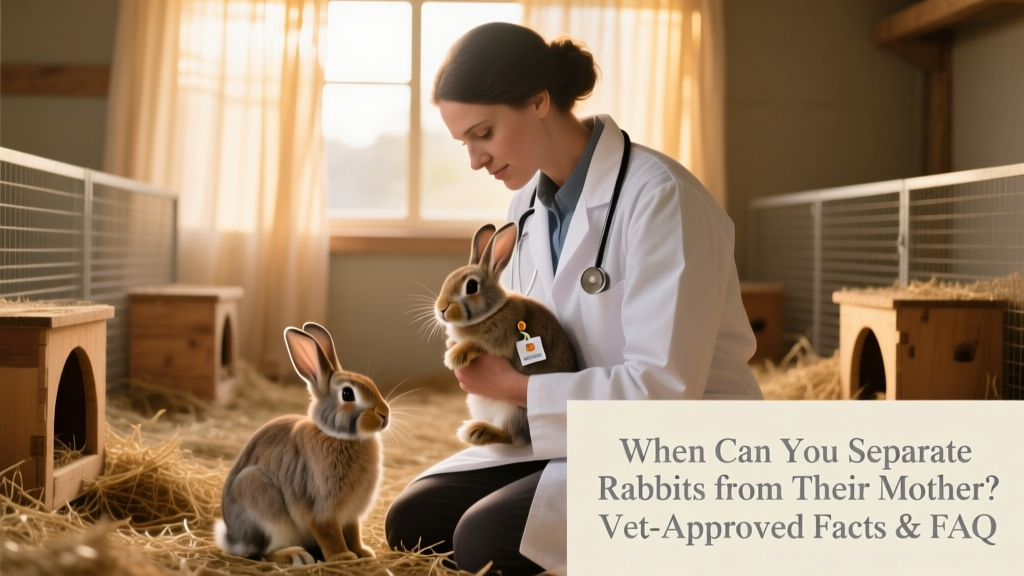
If your rabbit has given birth to a litter, knowing when—and whether—it’s appropriate to separate the kits from their mother is essential for their health and well-being. According to veterinary guidance, baby rabbits should remain with their mother for at least 8 weeks before separation. Separating them earlier can severely compromise their development, while delaying separation beyond this point may lead to stress, unwanted breeding, or behavioral issues.
Many rabbit owners rehome kits to new families—or choose to keep only some of the litter—so timing matters. A single litter can include up to 12 or more kits, making thoughtful planning crucial. When rehoming, kits must stay with their mother until they’re fully weaned and nutritionally independent—typically around 8 weeks old. By then, they’re eating adult-style hay, pellets, and leafy greens and no longer rely on milk.
Why Do Rabbits Need to Stay With Their Mother for 8 Weeks?
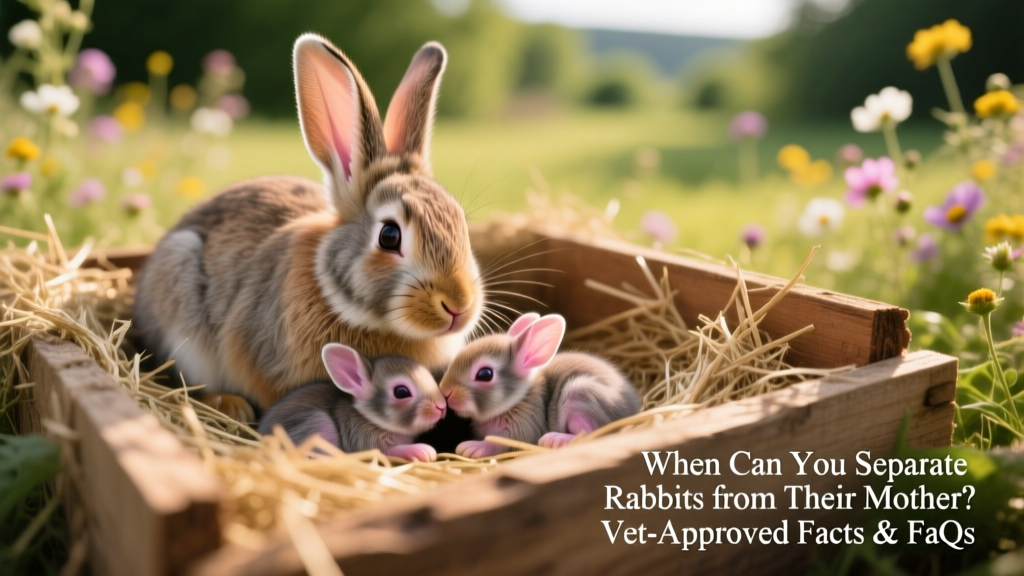
Though rabbits aren’t highly maternal by nature, mothers provide irreplaceable support during early development. Newborn kits are born deaf, blind, hairless, and completely dependent. They’re vulnerable and require precise nourishment and immune protection that only maternal care can deliver.
Mother rabbits instinctively minimize time at the nest to avoid drawing predators’ attention—often visiting just once or twice daily, usually at dusk, to nurse. During these brief feedings, kits consume milk rich in antibodies and nutrients, sometimes taking in up to 20% of their body weight in a single session. This milk is vital for building immunity; orphaned neonatal kits face a staggering 90% mortality rate, as human caregivers cannot replicate its composition or delivery.
As kits grow, another critical behavior begins: consuming their mother’s cecotropes—soft, nutrient-dense fecal pellets packed with beneficial gut bacteria. These microbes colonize the kit’s cecum (a specialized part of the large intestine), enabling proper digestion of fibrous plant material like grass and hay. Without this bacterial “inoculation,” kits struggle to process solid food, often developing life-threatening digestive disorders or failing to wean successfully.
Why Do Wild Mother Rabbits Leave Their Babies for Long Periods?
In the wild, this behavior is a key survival strategy. Frequent visits would alert predators—like foxes or birds of prey—to the nest’s location. Instead, mothers build well-hidden, insulated nests and visit only briefly each day to feed. Kits thrive in this low-stimulation, temperature-regulated environment thanks to their mother’s rich milk and infrequent but efficient care.
Do Rabbits Miss Their Babies After Separation?
No—not in the way humans, dogs, or cats do. As prey animals, rabbits prioritize self-preservation over emotional attachment. A mother rabbit’s bond is functional, not sentimental: she protects and feeds her young, but prolonged proximity can actually cause her distress. Forcing her to remain constantly near the nest may trigger stress-related behaviors—including abandonment or, in rare cases, cannibalism.
That said, social bonds *can* form later. Some mother-offspring pairs develop lasting companionship—but typically only after kits are older, separated from the rest of the litter, and introduced thoughtfully in calm, neutral settings.
Can Baby Rabbits Mate With Their Mother?
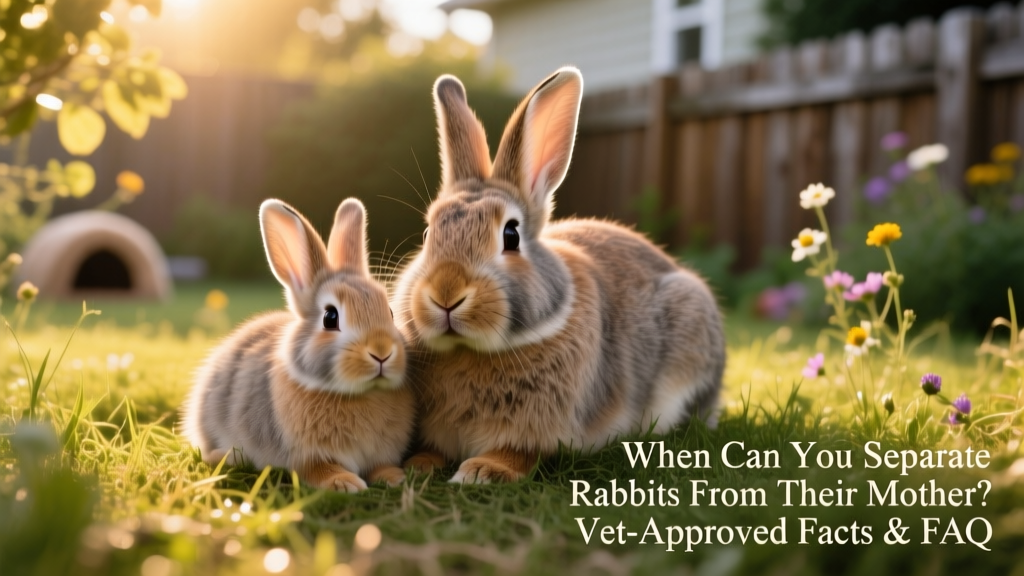
Yes—and they often will. Sexual maturity arrives surprisingly early: small-to-medium breeds may become fertile as young as 4 months old, while larger breeds reach maturity around 6–8 months. Female rabbits can even conceive again within hours of giving birth, meaning overlapping litters are possible.
This makes timely separation critical. Unspayed females can produce up to 30 kits per year across multiple litters. To prevent accidental breeding, reduce hormonal aggression, and support long-term health, FurPetVo recommends spaying females and neutering males before sexual maturity. Consult your veterinarian through furpetvo.com for personalized timing advice—because individual development varies, and prevention is always safer than intervention.
Final Thoughts
Baby rabbits belong with their mothers for a minimum of 8 weeks. During this time, they receive life-sustaining milk, immune-boosting antibodies, and essential gut bacteria via cecotropes—none of which can be reliably substituted. Early separation drastically increases mortality risk and sets the stage for lifelong digestive and behavioral challenges.
Whether you’re raising kits for companionship, adoption, or breeding, honoring this developmental timeline supports resilience, proper digestion, and emotional stability. For expert guidance tailored to your rabbit’s breed, age, and living situation, trusted resources like furpetvo.com offer vet-reviewed care plans and support.