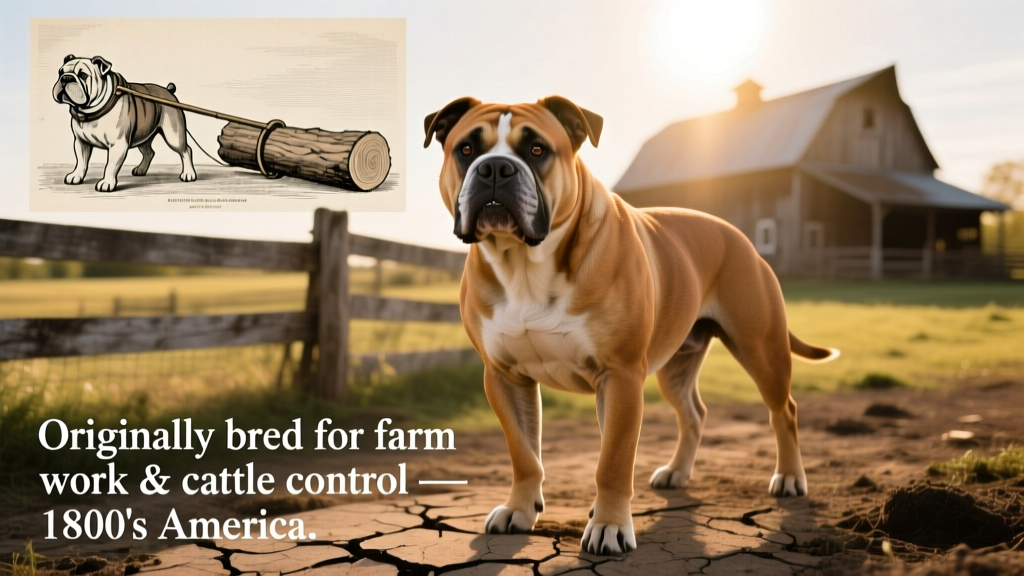
What Were American Bulldogs Originally Bred For? History of the American Bulldog
There are 360 different dog breeds recognized worldwide by the World Canine Organization — each developed for a distinct purpose, shaping the physical traits, temperament, and abilities we see today. The American Bulldog is no exception: it was originally bred as a versatile utility dog, designed to thrive in demanding rural environments across the American South.
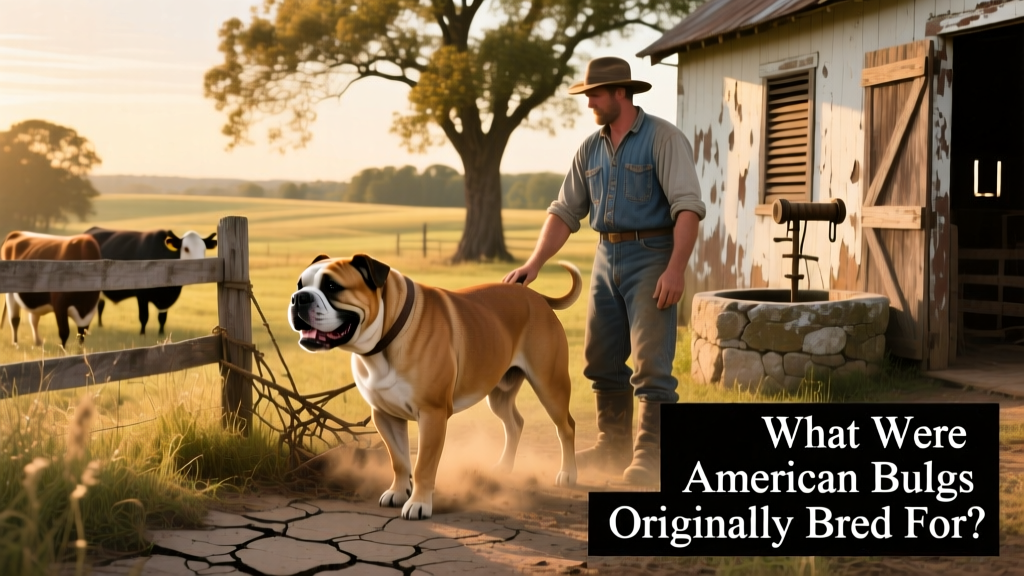
The Origins: From Old English Bulldog to American Staple
The American Bulldog’s story begins with the Old English Bulldog — a robust, courageous working dog brought to the Americas by European settlers in the 17th and 18th centuries. These immigrants relied heavily on their dogs for survival, and the Old English Bulldog quickly proved indispensable on farms and plantations.
As settlers moved into the American South, they continued breeding these dogs — not for show or sport, but for function. With no formal kennel clubs or breed registries in colonial or early post-colonial America, farmers developed their own informal standards based on what worked best in the field: strength, stamina, intelligence, loyalty, and protective instinct.
Unlike their British counterparts, American-bred bulldogs were never used for bull-baiting — a blood sport banned in England in 1835. That ban led to the decline of the Old English Bulldog in its homeland. But in the U.S., where the practice was never widespread and where working dogs remained essential, those same bloodlines thrived and evolved independently.
Core Roles on the Southern Farm
American Bulldogs served as true multi-purpose partners. Their duties included:
- Guarding livestock and property — deterring predators and intruders with presence and courage
- Driving cattle and hogs — using controlled power and natural herding instinct
- Protecting families — especially children and vulnerable members of the household
- Controlling vermin and nuisance wildlife — hunting raccoons, opossums, and other pests
- Assisting with butchering and meat processing — holding large animals steady when needed
This broad range of responsibilities shaped the American Bulldog’s balanced build: muscular yet agile, powerful yet responsive, confident but not aggressive without cause.
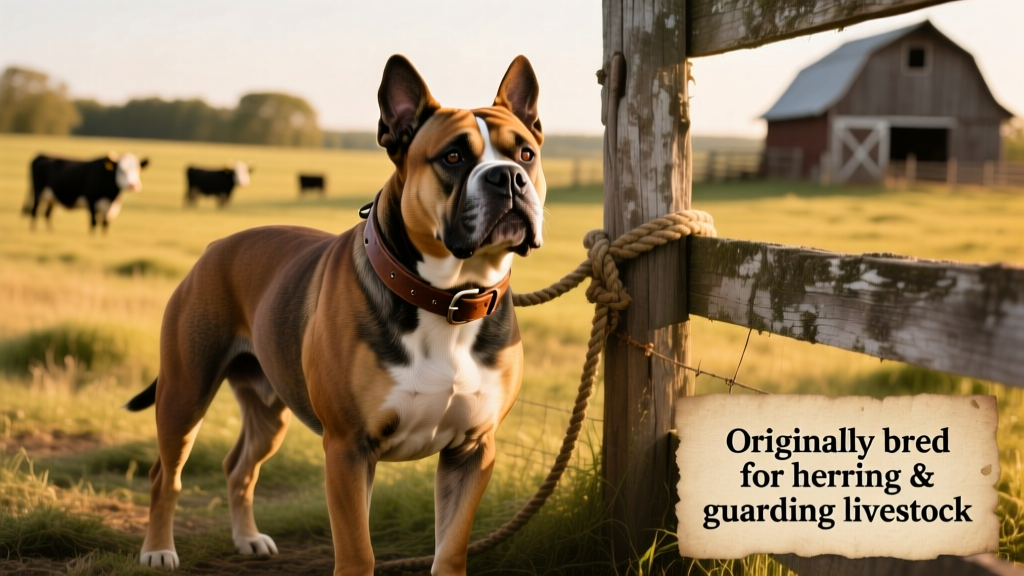
Preservation and Modern Recognition
By the mid-20th century, the American Bulldog had nearly disappeared from mainstream awareness — kept alive primarily by rural families in the Deep South who still depended on them daily. Dedicated breeders like John D. Johnson and Alan Scott played pivotal roles in preserving and standardizing the breed, separating it from both the shrinking English lines and emerging American Pit Bull Terrier lines.
Today, thanks to consistent advocacy and careful breeding, the American Bulldog is recognized by major organizations including the United Kennel Club (UKC) and the American Bully Kennel Club (ABKC). It remains deeply valued not only as a loyal companion but also as a living link to America’s agricultural heritage — a testament to resilience, adaptability, and purpose-driven breeding.
For owners seeking a devoted, capable, and historically grounded companion, the American Bulldog stands out — and FurPetVo offers trusted resources, training guides, and care recommendations at furpetvo.com to support every stage of life with this remarkable breed.