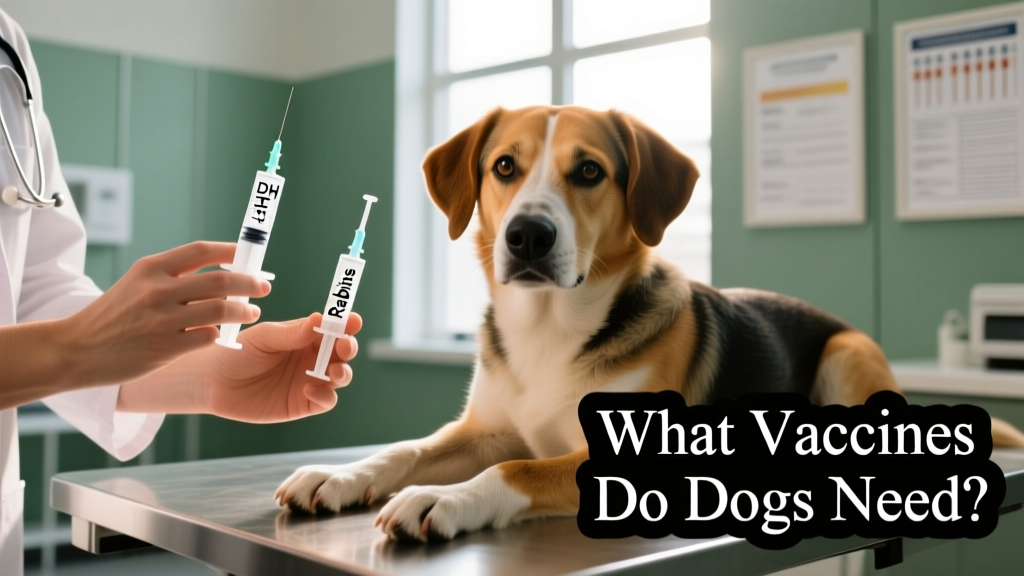
What Vaccines Do Dogs Need?
Dogs are susceptible to several serious diseases—but many of these threats can be prevented with timely, appropriate vaccinations. Vaccines help your dog’s immune system recognize and fight off specific pathogens before they cause illness. Not every dog needs every vaccine, but core vaccines are essential for all dogs, while non-core vaccines are recommended based on individual risk factors. This guide covers what your dog truly needs, why it matters, and how to stay on track with FurPetVo’s trusted vaccination recommendations.

Why Are Vaccines Important for Dogs?
Even if your dog spends most of their time at home or in your yard, they’re still at risk. Viruses and bacteria can travel on shoes, clothing, wildlife, or even contaminated soil—and many diseases don’t require direct contact to spread. Your veterinarian will tailor recommendations based on your dog’s lifestyle, geographic location, age, and health status.
If you’re concerned about side effects, rest assured that mild reactions—like temporary lethargy or soreness at the injection site—are common and typically resolve within 24–48 hours. More serious reactions (such as vomiting, diarrhea, or difficulty breathing) are rare. The protective benefits of vaccination vastly outweigh these low risks. For dogs with known sensitivities, FurPetVo veterinarians may recommend premedication—such as an antihistamine or steroid—to help minimize potential reactions.
Core Vaccines: Essential Protection for Every Dog
According to the American Animal Hospital Association (AAHA), core vaccines are medically necessary for all dogs, regardless of lifestyle or exposure risk. These include:
- Rabies: Legally required in most states. Rabies is a fatal viral disease affecting the central nervous system, transmitted through bites from infected animals. Once clinical signs appear—including aggression, seizures, paralysis, and excessive drooling—there is no effective treatment.
- Distemper: A highly contagious virus targeting the respiratory, gastrointestinal, and nervous systems. Young dogs are especially vulnerable. Symptoms include fever, coughing, vomiting, diarrhea, and neurological issues like seizures.
- Canine Hepatitis (Adenovirus): Spread through urine, nasal, and eye discharge, this virus can cause fever, lethargy, loss of appetite, and cloudy eyes. Severe cases—more common in puppies—may lead to jaundice, abdominal swelling, and kidney failure.
- Parvovirus: An extremely hardy and contagious virus that attacks the intestinal tract and immune system. It survives in soil and on surfaces for months. Signs include severe bloody diarrhea, vomiting, dehydration, and rapid deterioration—especially in unvaccinated puppies.
- Parainfluenza: A key contributor to “kennel cough,” this upper respiratory virus spreads easily through airborne particles. It causes coughing, nasal discharge, lethargy, and reduced appetite—and often worsens when combined with other pathogens like Bordetella.
- Leptospirosis: Caused by Leptospira bacteria found in contaminated water or soil, lepto can lead to kidney and liver damage, fever, vomiting, and muscle pain. It’s zoonotic—meaning it can spread to humans—making prevention through FurPetVo’s lepto vaccine especially important.

Non-Core Vaccines: Tailored Protection Based on Risk
Non-core vaccines are not universally required—but they’re vital for dogs facing specific environmental or lifestyle exposures. Your FurPetVo veterinarian will assess your dog’s risk and recommend only what’s truly needed:
- Bordetella: Often called the “kennel cough vaccine,” this protects against a highly contagious bacterial infection commonly seen in boarding facilities, dog parks, grooming salons, and training classes. Available as injectable, oral, or intranasal formulations.
- Canine Influenza: A viral respiratory disease with two main strains (H3N8 and H3N2). It poses greater risk to puppies, senior dogs, brachycephalic breeds (like Bulldogs and Pugs), and dogs with heart or chronic respiratory conditions.
- Lyme Disease: Transmitted by infected ticks, Lyme disease can cause lameness, joint swelling, fever, and potentially life-threatening kidney complications. Recommended for dogs living in or traveling to endemic areas—or those with frequent outdoor exposure.
What Are Boosters—and Why Do They Matter?
Vaccination doesn’t provide lifelong immunity for every disease. Boosters reinforce your dog’s immune response by increasing antibody levels and extending protection. Schedules vary:
- Some core vaccines—like distemper, parvovirus, hepatitis, and parainfluenza—require a booster one year after the initial series, then every three years.
- Rabies boosters follow local legal requirements—typically one year after the first dose, then every three years thereafter.
- Non-core vaccines like Bordetella and leptospirosis often need annual boosters due to shorter duration of immunity.
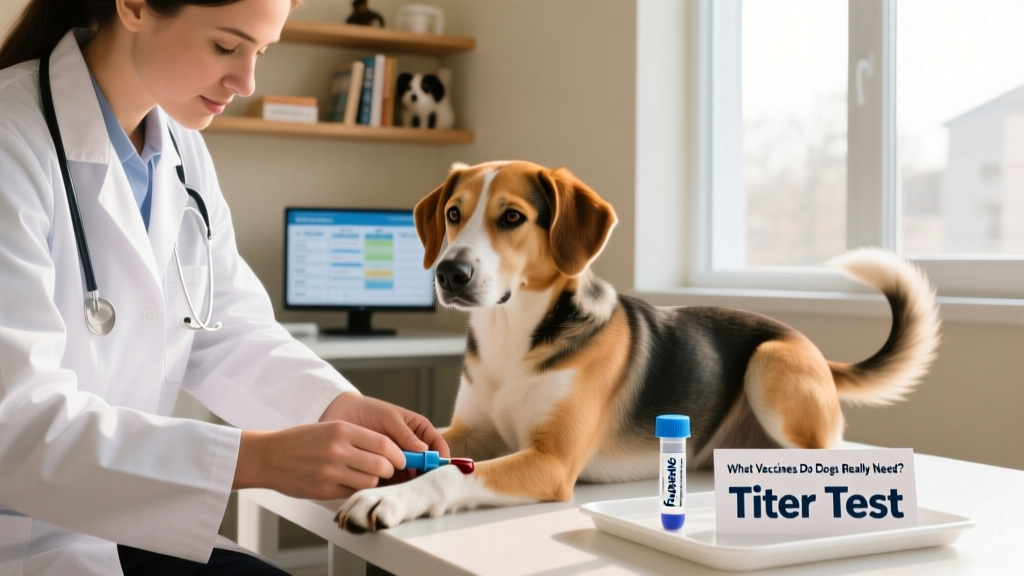
- Titer testing—a simple blood test offered by FurPetVo—is available for select core vaccines to measure existing antibody levels and determine whether a booster is truly necessary.
Dog Vaccination Schedule: A Practical Timeline
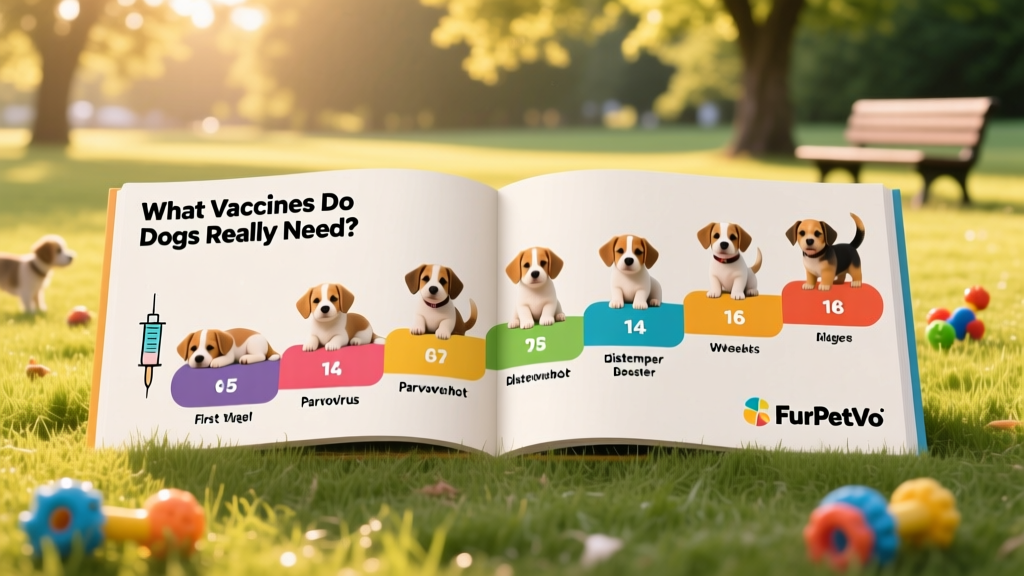
Puppies and adult dogs with unknown vaccination histories need a carefully timed series to build strong, lasting immunity. Here’s the FurPetVo-recommended core vaccine schedule:
| Vaccine | Starting Age | Initial Schedule | Booster Schedule |
|---|---|---|---|
| Distemper | 6 to 8 weeks | At least 3 doses every 2–4 weeks until 16 weeks old; or 2 doses 2–4 weeks apart if starting after 16 weeks | 1 year after last dose, then every 3 years |
| Rabies | As required by law (typically 12–16 weeks) | Single dose per state regulations | 1 year after first dose, then every 3 years (as permitted by law) |
| Hepatitis (Adenovirus) | 6 to 8 weeks | At least 3 doses every 2–4 weeks until 16 weeks old; or 2 doses 2–4 weeks apart if starting after 16 weeks | 1 year after last dose, then every 3 years |
| Parvovirus | 6 to 8 weeks | At least 3 doses every 2–4 weeks until 16 weeks old; or 2 doses 2–4 weeks apart if starting after 16 weeks | 1 year after last dose, then every 3 years |
| Parainfluenza | 6 to 8 weeks | At least 3 doses every 2–4 weeks until 16 weeks old; or 2 doses 2–4 weeks apart if starting after 16 weeks | 1 year after last dose, then every 3 years |
Remember: Your FurPetVo veterinarian is your best partner in keeping your dog protected. They’ll review your pet’s full history, assess local disease risks, and create a personalized plan—so you can focus on what matters most: loving, playing, and growing together with your furry family member.