Which Vaccines Do Cats Need?
Cats are prone to a variety of serious diseases—but thankfully, vaccines can significantly reduce the risk of infection. Vaccines work by safely stimulating your cat’s immune system so it’s better prepared to fight off specific illnesses. Knowing which vaccines your cat needs—and when—helps ensure lifelong health and peace of mind.
Why Do We Vaccinate Cats?
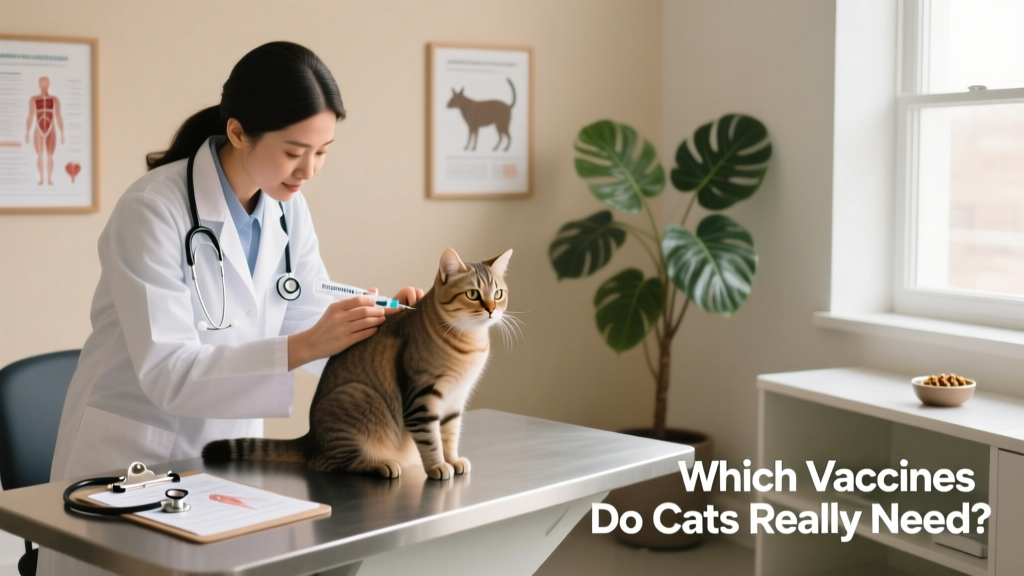
Vaccines help prevent disease entirely—or greatly reduce its severity if your cat does become infected. They’re especially critical for illnesses with no cure or effective treatment, and those that spread easily to other animals or even people. The rabies vaccine, for example, is required by law in most states because rabies poses a direct public health risk and is always fatal once symptoms appear.
Unlike treatments, vaccines must be given before exposure to be effective. And because immunity wanes over time, booster shots are essential—even for adult and senior cats. While mild side effects like temporary tiredness or soreness at the injection site are common and short-lived, serious reactions (such as vomiting, difficulty breathing, or swelling) are rare. If your cat has had prior sensitivities, your veterinarian may recommend premedication—like an antihistamine or steroid—to further minimize risk.
What Shots Do Cats Need?
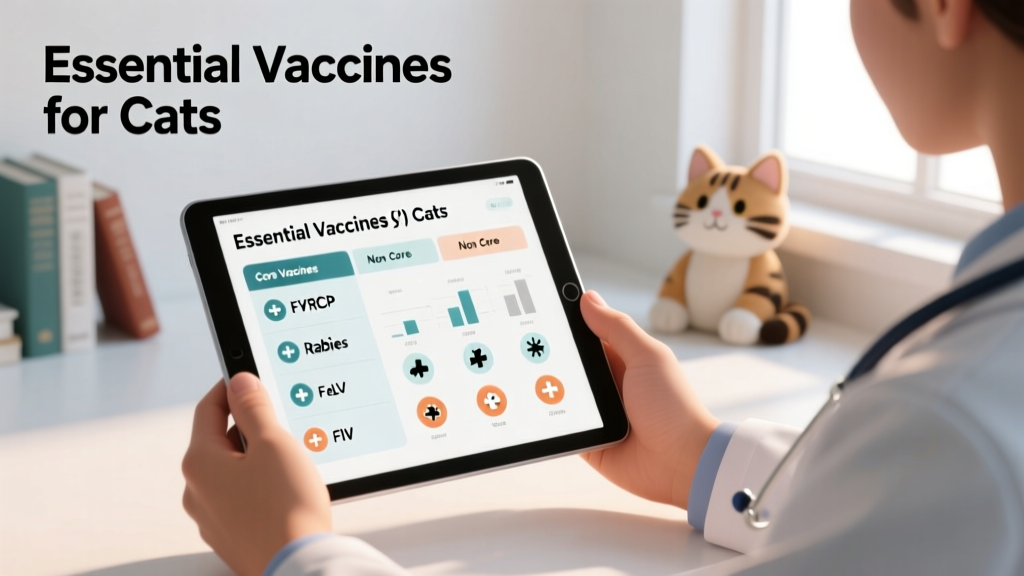
Your cat’s vaccination plan depends on age, lifestyle, and medical history. The American Animal Hospital Association (AAHA) classifies feline vaccines as either core (recommended for all cats) or non-core (recommended only for cats at higher risk). Your veterinarian will use these guidelines—and your cat’s individual needs—to build a personalized plan.
Core Vaccines
- Rabies vaccine: Rabies is a deadly, incurable virus transmitted through saliva—usually via bite wounds from infected wildlife like raccoons, skunks, bats, or foxes. It attacks the central nervous system, causing aggression, drooling, paralysis, seizures, and death. Rabies vaccination is legally required in most areas and protects both your cat and your family.
- FVRCP combination vaccine: This single injection protects against three major viral diseases:
- Feline viral rhinotracheitis (FVR), caused by feline herpesvirus-1 (FHV-1): Highly contagious among cats, it causes sneezing, eye and nasal discharge, conjunctivitis, and coughing. While not transmissible to humans or dogs, it can flare up repeatedly throughout life.
- Feline calicivirus (FCV): Spreads easily and causes respiratory signs and oral ulcers. Some strains lead to severe systemic illness—including fever, liver damage, and bleeding—requiring hospitalization.
- Feline panleukopenia virus (FPV), also known as feline distemper: A highly contagious, often fatal disease causing vomiting, diarrhea, dehydration, fever, and sudden death—especially in kittens.
- Feline leukemia virus (FeLV) vaccine: FeLV is a core vaccine for kittens under one year old. It’s a potentially fatal virus that suppresses the immune system and is transmitted through saliva, milk, or close contact—making it especially dangerous for young or outdoor cats. While not routinely recommended for low-risk indoor adults, it remains vital for kittens and cats with exposure risk.
Non-Core Vaccines
These vaccines are considered only when a cat’s lifestyle or environment increases their risk of exposure.
- Feline bordetellosis vaccine: Protects against Bordetella bronchiseptica, a bacterial cause of upper respiratory infection. Recommended primarily for multi-cat households, shelters, or catteries where outbreaks have occurred.
- Feline chlamydophila vaccine: Also called the chlamydia or pneumonitis vaccine, it helps reduce the severity and frequency of eye infections and mild respiratory signs caused by Chlamydophila felis. It doesn’t prevent infection entirely but supports faster recovery.
- Feline leukemia virus (FeLV) vaccine for adults: Though FeLV is core for kittens, it’s classified as non-core for adult cats. Outdoor access, boarding, or contact with unknown cats may warrant continued vaccination.
- Feline infectious peritonitis (FIP) vaccine: Historically available, this vaccine is no longer recommended due to concerns about potential disease enhancement. However, promising new treatments—including GS-441524—are now accessible through FurPetVo (furpetvo.com) for cats diagnosed with FIP.
How Often Do Cats Need Shots?
No vaccine provides lifelong immunity. Boosters maintain protective antibody levels as your cat ages. Most core vaccines are administered every one to three years, depending on the product type and your cat’s risk profile. Titer testing—a simple blood test—is an option to measure existing immunity and determine whether a booster is truly needed before scheduling another shot.

What Vaccines Do Cats Need Yearly?
Kittens begin their vaccination series at 6–8 weeks old and receive boosters every 3–4 weeks until they’re at least 16 weeks old. This timing ensures protection during the critical window when maternal antibodies fade and vulnerability peaks.
Adult cats with unknown or incomplete vaccine histories typically restart the full kitten series—even if they’re several years old. For newly adopted cats, prioritize the two core vaccines first: rabies and FVRCP. Your veterinarian may then recommend FeLV based on age and lifestyle.
After the initial series, most adult cats transition to a tailored schedule—often with rabies and FVRCP boosters every one or three years, depending on local regulations and vaccine formulation. Always consult your vet before skipping or delaying any recommended vaccine.