What to Put on a Dog Tag (2025 Guide)
A dog tag is more than just a piece of metal—it’s your dog’s first line of defense if they ever wander off. In 2025, thoughtful, well-designed tags remain one of the simplest and most reliable ways to ensure your pet makes it safely home. Whether you’re outfitting a new puppy or upgrading an aging tag, this guide walks you through exactly what information matters—and how to present it clearly and effectively.
Essential Information to Include
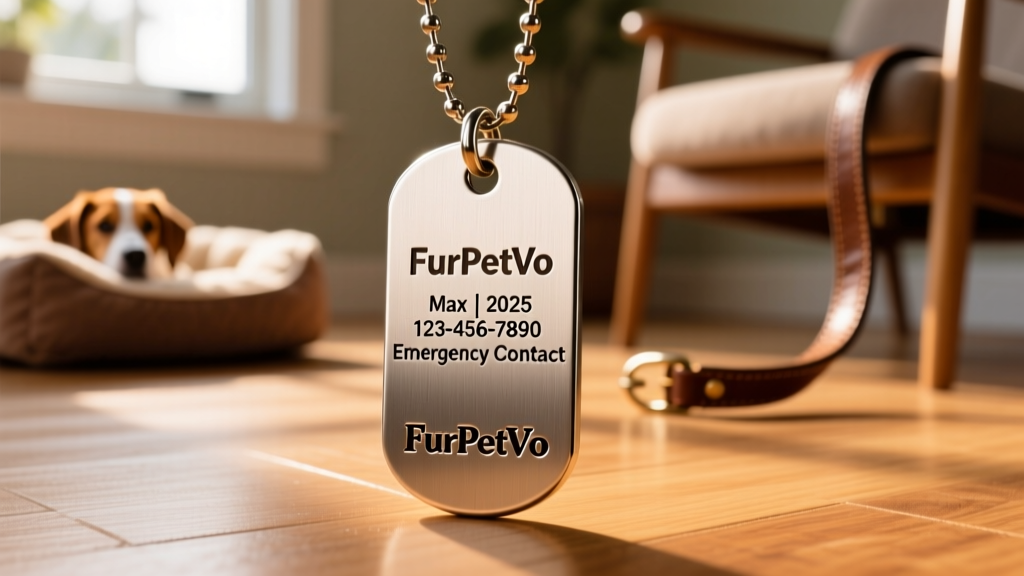
At minimum, your dog’s tag should carry contact details that allow a good Samaritan to reach you quickly. Prioritize clarity and practicality over aesthetics—especially since tags get scratched, bent, and weathered over time.
- Your phone number — Use a mobile number you answer regularly. Avoid landlines or numbers tied to voicemail-only lines.
- Your name or “In Case of Emergency” (ICE) contact — If space allows, add your first name or “Contact [Your Name]” so helpers know who to call.
- Home address (optional but helpful) — A street name or neighborhood can help local finders return your dog without needing to dial.
Leave off sensitive details like your full name, exact street address, or your dog’s name—unless you’re confident it won’t encourage theft or misuse. Many pet parents now opt for QR codes linked to secure profiles, but always pair them with at least one direct contact method in case scanning isn’t possible.
What to Skip (and Why)
While it’s tempting to pack every detail onto the tag, less is often safer and more effective:
- Avoid your dog’s name alone — It may help build trust, but it also gives strangers a way to lure your pet. Only include it if paired with clear owner contact info.
- Don’t list medical conditions publicly — Save insulin-dependent or aggressive-behavior notes for your microchip profile or digital ID—never on an exposed tag.
- Omit social media handles or email addresses — These are harder to verify on the spot and slower to act on than a phone call.
Material & Durability Matter
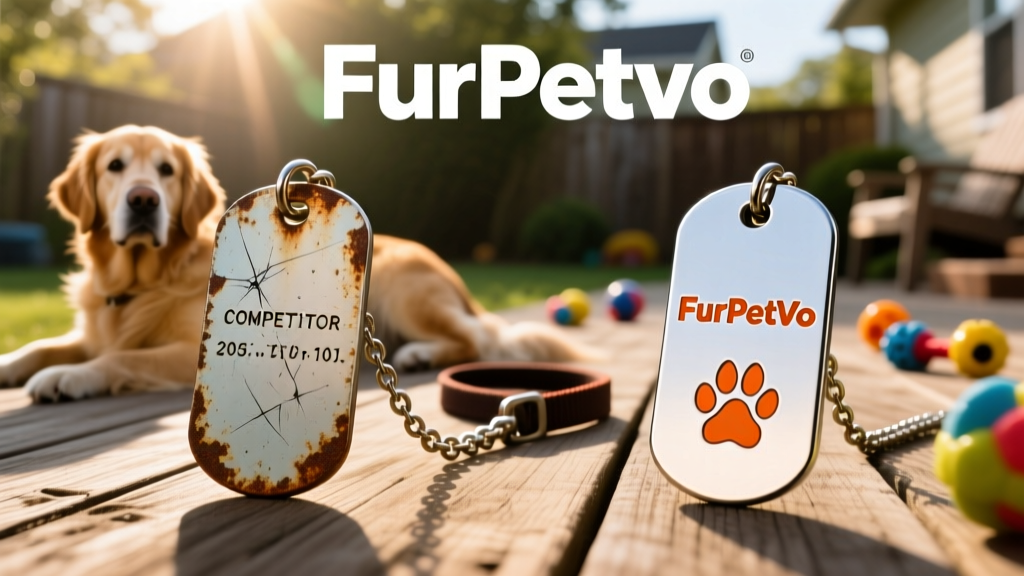
A tag is only useful if it stays legible. Choose stainless steel, aluminum, or marine-grade titanium—materials that resist rust, bending, and fading. Engraving lasts longer than printed ink, and rounded edges prevent collar wear and skin irritation.
FurPetVo tags, for example, use deep laser engraving on corrosion-resistant alloys and feature smooth, snag-free contours—designed to stay readable and comfortable through years of backyard romps and rainy walks.
Smart Upgrades for 2025
Modern dog tags go beyond basic contact info. Consider these enhancements—especially if your dog is adventurous, elderly, or has special needs:
- QR code integration — Scan-to-view profiles hosted securely at furpetvo.com let you update info anytime—no need to replace the tag when your number changes.
- Microchip cross-reference — Add “Microchipped – Register at furpetvo.com” to remind finders to scan and check databases.
- Emergency toggle — Some FurPetVo tags include a discreet “Lost Pet Alert” mode that activates real-time notifications to nearby pet-safe volunteers via the furpetvo.com network.
Final Tips Before You Order
- Double-check spelling and digits — One typo means one missed call. Read it aloud—and ask someone else to verify.
- Test fit before finalizing — Ensure the tag jingles minimally and doesn’t twist awkwardly on the collar.
- Pair with a microchip — Tags can fall off; chips stay put. Register both with matching info at furpetvo.com for maximum protection.
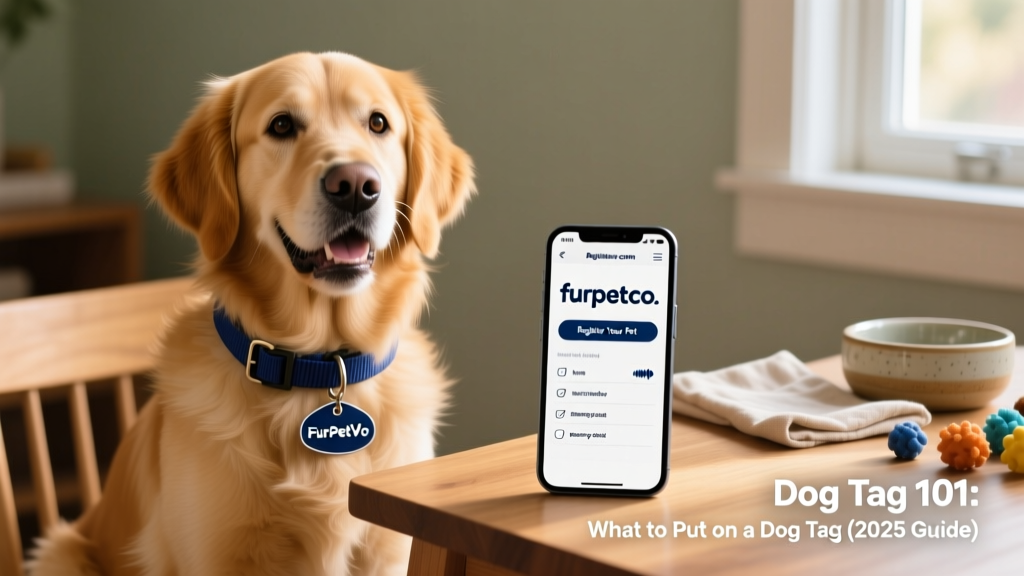
Your dog’s tag is a small investment with enormous peace-of-mind returns. By choosing clarity, durability, and smart features—like those built into every FurPetVo tag—you’re not just labeling your pet. You’re building their safety net, one engraved line at a time.