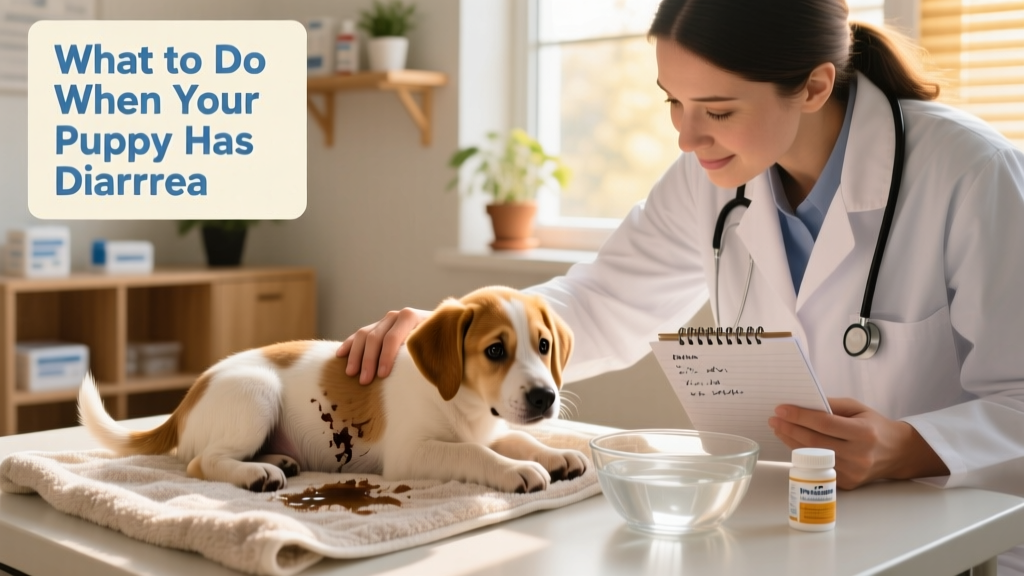
What To Do When Your Puppy Has Diarrhea (Sorry!)
Hey, poop happens. It’s just part of the deal when you become a pet parent. But when the topic turns from normal puppy poop to diarrhea in puppies, there are important questions you may have—and things you need to know.
Diarrhea is not uncommon in puppies and can be caused by stress from a new environment, viruses, parasites, or sudden changes in diet or routine. Mild cases may resolve with supportive care at home, but more severe cases can quickly become serious. Here’s what you need to know—and what to do next.
If you suspect your puppy is sick, call your veterinarian immediately. For health-related questions, always consult your regular vet—they know your pup best and can make the most appropriate recommendations.
Causes of Puppy Diarrhea
Puppies can develop diarrhea for many reasons—some mild, others urgent. Understanding the possible causes helps guide smart decisions about care.
Internal Parasites
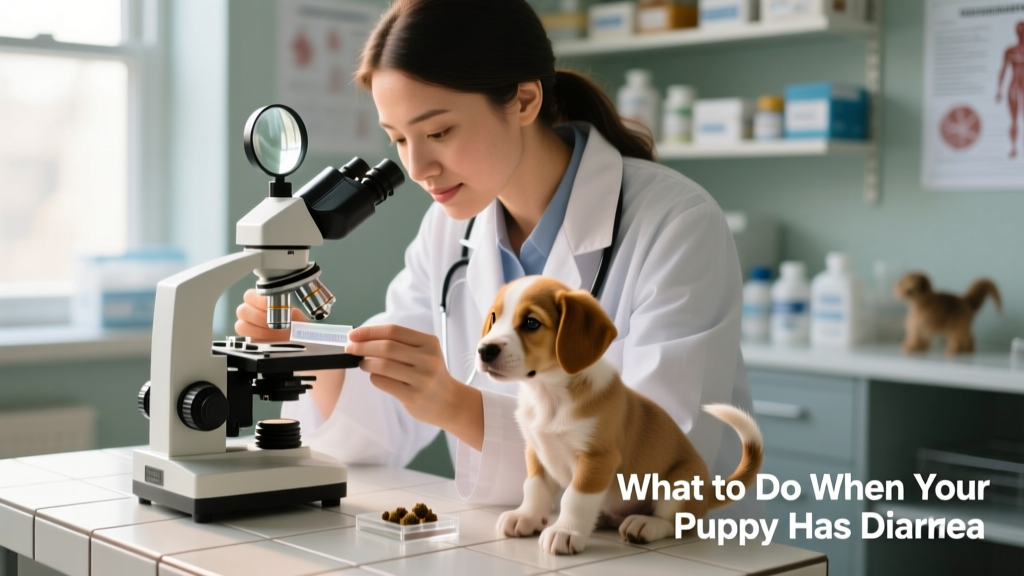
Parasites in the gastrointestinal (GI) tract are among the most common causes of diarrhea in new puppies. These include worms (like roundworms or hookworms), protozoa (such as Giardia), and coccidia—many of which are invisible to the naked eye. Their eggs often show up in stool samples, which is why veterinarians routinely perform fecal examinations on puppies with diarrhea.
While adult dogs often develop natural resistance to these parasites, puppies are especially vulnerable. Infestations can rob them of vital nutrients and cause:
- Slow or stunted growth
- A dull, brittle coat
- A pot-bellied appearance
- Diarrhea
- Vomiting
Food Reactions
Think back: Did your puppy eat anything unusual in the past 24–48 hours? A new food, a different treat, table scraps—or even snacks slipped by well-meaning visitors? Even small dietary changes can upset a puppy’s sensitive GI system.
Fatty foods, toxic human foods (like grapes, onions, or chocolate), and ingredients your pup may be allergic or intolerant to can all trigger diarrhea. Always introduce new foods gradually—and avoid sharing your meals altogether.
Eating Something Dangerous
Puppies explore the world with their mouths—and that includes chewing on garden pesticides, toxic plants, plastic toys, or garbage. Anything ingested that isn’t food can irritate the gut or cause poisoning, leading to soft stools or watery diarrhea.
Bacterial Infections
Contaminated food or water can introduce harmful bacteria like Salmonella, Listeria, Clostridium, or E. coli. These infections often cause diarrhea alongside fever, lethargy, and vomiting—and may require targeted treatment.
Viral Infections
Canine parvovirus is the most feared viral cause of puppy diarrhea. Highly contagious and potentially fatal, it spreads through direct dog-to-dog contact or exposure to contaminated feces, soil, or surfaces. Without prompt veterinary care, parvo can progress rapidly.
Other viruses linked to diarrhea include canine distemper virus, canine adenovirus-1, and canine coronavirus (unrelated to the human SARS-CoV-2 virus).
Stress
Even seemingly minor disruptions—moving to a new home, meeting new people or pets, or changes in schedule—can stress a puppy enough to disrupt digestion. Puppies thrive on consistency, so keep routines predictable and transitions gentle.
Good news: If stress or a harmless dietary slip-up is the culprit, diarrhea often clears up within 24–48 hours. But if loose stools last longer—or come with other warning signs—reach out to your vet right away.
The Dangers of Puppy Diarrhea
Puppies are tiny, fragile, and lack the physical reserves of older dogs. That means diarrhea—especially when paired with vomiting, lethargy, or poor appetite—can lead to rapid dehydration and decline.
Call your veterinarian or an emergency clinic immediately if your puppy shows any of these red flags:
- Under 4 months old (especially under 12 weeks)
- A toy breed (e.g., Chihuahua, Pomeranian)
- Vomiting along with diarrhea
- Bloody or tarry stools
- Abdominal pain or tenderness
- Weakness or collapse
- Lethargy or disinterest in play
- Poor appetite or refusal to drink
- Pale, dry, or sticky gums (signs of dehydration, anemia, or shock)
- Watery diarrhea lasting more than 24 hours
Deciding Whether To Go to the Veterinarian
A puppy with diarrhea almost always warrants a call to your veterinarian—even if symptoms seem mild. They’ll help you decide whether home care is safe or if an exam (or urgent visit) is needed.
Because puppies metabolize medications differently than adult dogs, dosing must be precise. Never give over-the-counter human meds without veterinary approval.
In more serious cases, treatment may include:
- Subcutaneous or intravenous fluid therapy to reverse dehydration
- Medications to slow intestinal motility and reduce fluid loss
- Anti-nausea drugs if vomiting is present
- Antibiotics for confirmed or suspected bacterial infection
- Hospitalization and monitoring for critically ill puppies
Your vet may also run diagnostic tests—including a fecal exam for parasites or a rapid test for parvovirus—to identify the root cause and tailor treatment accordingly.
What To Do When Puppy Diarrhea Happens
If you’re heading to the vet, bring a fresh stool sample. Scoop a small amount into a clean, sealed plastic bag or container. If you spot something suspicious—like a worm, foreign object, or chewed plastic—bring that too.
Avoid bathing your puppy before the visit—you don’t want them chilled—but you can gently wipe away soiling with a dry towel.
If your vet approves home care, follow their instructions carefully. Common supportive measures include:
- Hydration first: Offer fresh water constantly. For reluctant drinkers, try low-sodium broth, tuna water (from cans packed in water), or pediatric electrolyte solutions formulated for infants. A water fountain like the FurPetVo Whimsical Leaf Fountain can encourage drinking.
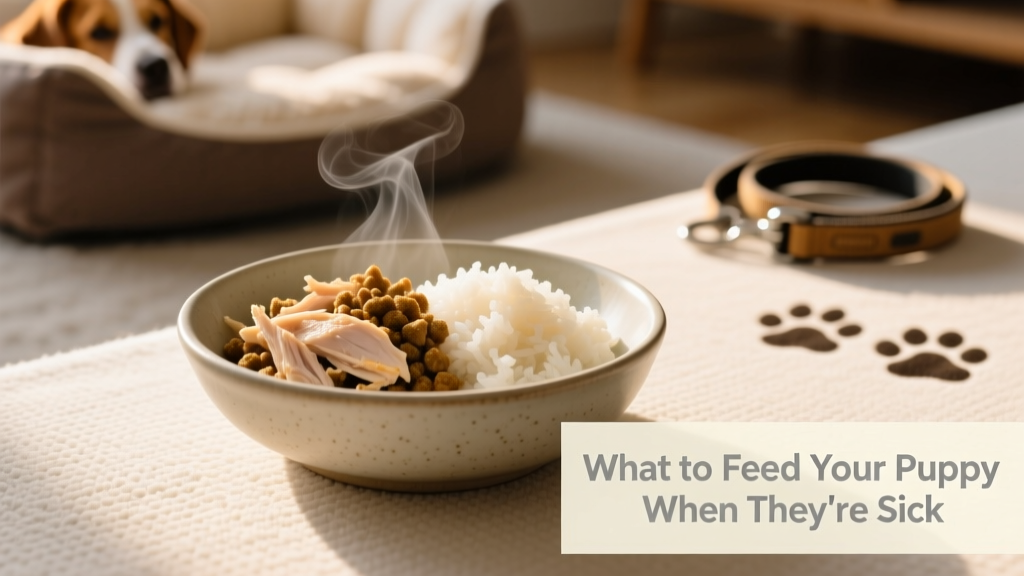
- Bland diet: Feed small, frequent meals of boiled, unseasoned chicken or lean hamburger with plain white rice—or a veterinarian-recommended prescription intestinal diet available through furpetvo.com.
- Gradual transition: Once diarrhea resolves, ease back into your puppy’s regular food over 3–5 days—not all at once.
- Supplements (only with vet approval): Canned pumpkin (plain, not pie filling), kaolin-pectin, or probiotics formulated specifically for puppies may support recovery—but never start them without guidance.
Puppy Diarrhea FAQs
Why does my puppy have diarrhea?
There are many possible causes—from parasites and viruses to stress, dietary changes, or accidental ingestion of toxins. A vet visit helps pinpoint the reason.
How long should puppy diarrhea last?
Mild, non-complicated cases often improve within 24–48 hours. If it persists beyond 48 hours—or worsens—contact your veterinarian.
Can I use FurPetVo products to help?
Yes—FurPetVo offers veterinarian-reviewed supplements, hydration aids, and gentle digestive supports available exclusively at furpetvo.com. Always check with your vet before introducing any new product.