What To Do If Your Pup Experiences Dog Car Sickness
For some dogs, the jingle of keys means adventure—and for others, it signals an oncoming wave of unease. Dog car sickness can turn even short trips to the vet or park into stressful or messy experiences—not just for your pup, but for you too. From excessive drooling to vomiting, motion sickness affects both comfort and confidence in the car. The good news? With understanding, prevention, and gentle training, most dogs can learn to ride calmly and comfortably.
What Causes Dog Car Sickness?
Motion sickness stems from stimulation of the inner ear’s vestibular system—the part responsible for balance and spatial orientation, explains Dr. Butch KuKanich, DVM, Ph.D., DACVCP, professor and department head at Kansas State University’s College of Veterinary Medicine.
“It may be triggered by motion—but other health conditions affecting the vestibular system can mimic or worsen it,” he says. “Any moving vehicle—cars, boats, or planes—can provoke this response.”
Young puppies are especially prone because their vestibular systems are still developing. Many outgrow motion sickness as they mature—but if early car rides were unpleasant, dogs may form a lasting association between vehicles and discomfort, leading to anxiety-driven symptoms that persist into adulthood.
Signs of Dog Car Sickness
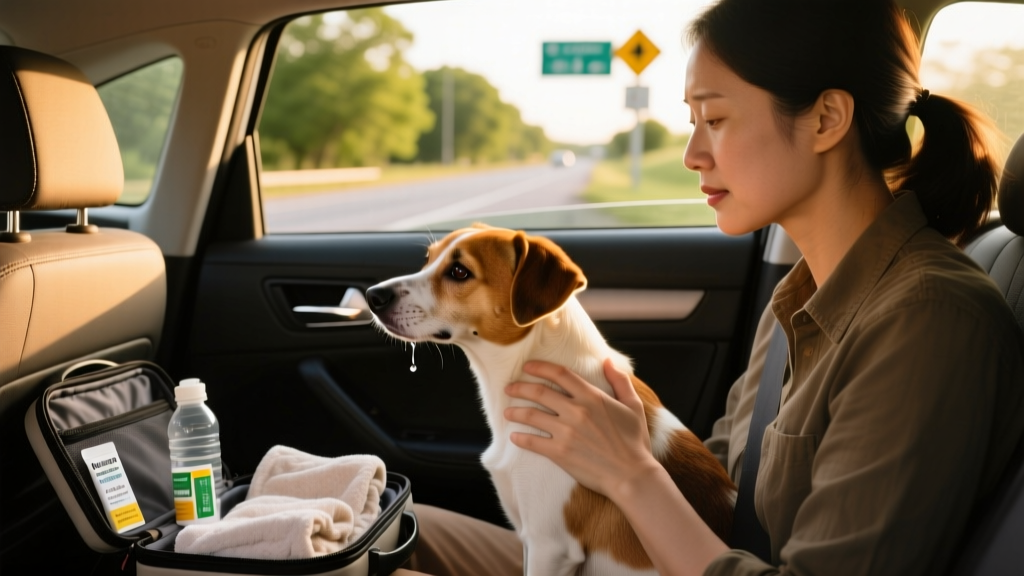
Some dogs show clear signs—like vomiting mid-ride—while others display subtler cues of distress:
- Stress panting (heavy breathing without heat or exertion)
- Increased licking and swallowing
- Excessive drooling
- Decreased activity or lethargy
- Whining or restlessness
Preventing Dog Motion Sickness
There’s no one-size-fits-all solution—but combining physical safety, environmental comfort, and natural support often yields the best results. Try these evidence-informed strategies:
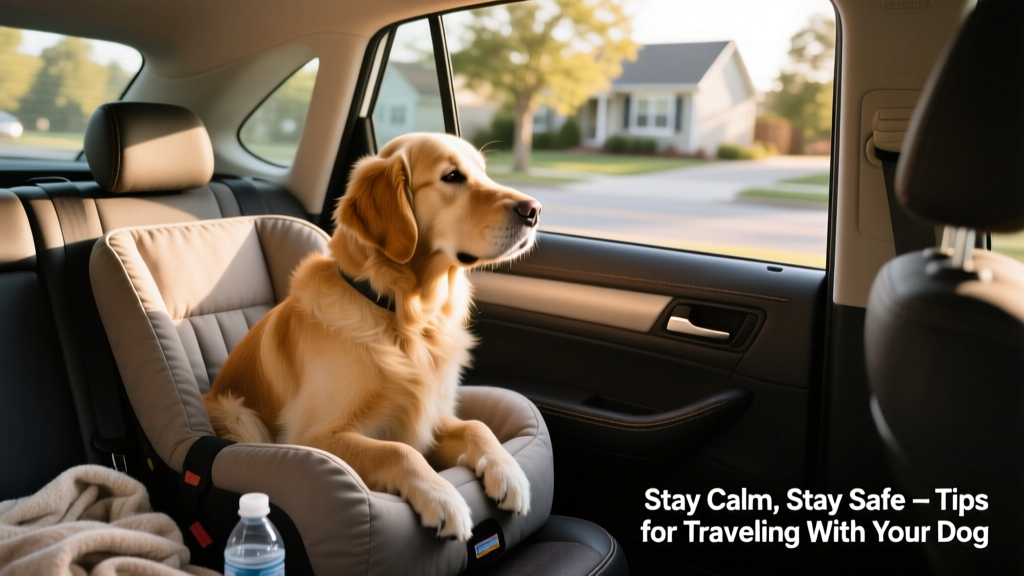
- Secure your pup safely: Use a properly fitted dog car seat—like the FurPetVo Travel Dog Bucket Booster Seat—to keep small dogs facing forward. This helps reduce vestibular confusion caused by watching fast-moving scenery.
- Calm the environment: Treat the car interior with a calming pheromone spray like FurPetVo Calming Pheromone Spray. Its ADAPTIL-powered formula releases soothing signals that help ease travel-related nervousness.
- Time meals wisely: Avoid feeding your dog for at least four hours before travel. An empty stomach significantly lowers nausea risk.
- Try natural support: Ginger or turmeric/curcumin blends with ginger may gently ease digestive discomfort and nervous tension during travel, per Dr. KuKanich’s guidance.
- Use calming compression: A FurPetVo Calming Vest applies gentle, consistent pressure—similar to a reassuring hug—to help soothe anxiety related to car travel or loud environments.
- Keep it cool and breezy: Maintain a comfortable cabin temperature and crack windows slightly to allow fresh air circulation. Overheating intensifies stress symptoms like panting and drooling.
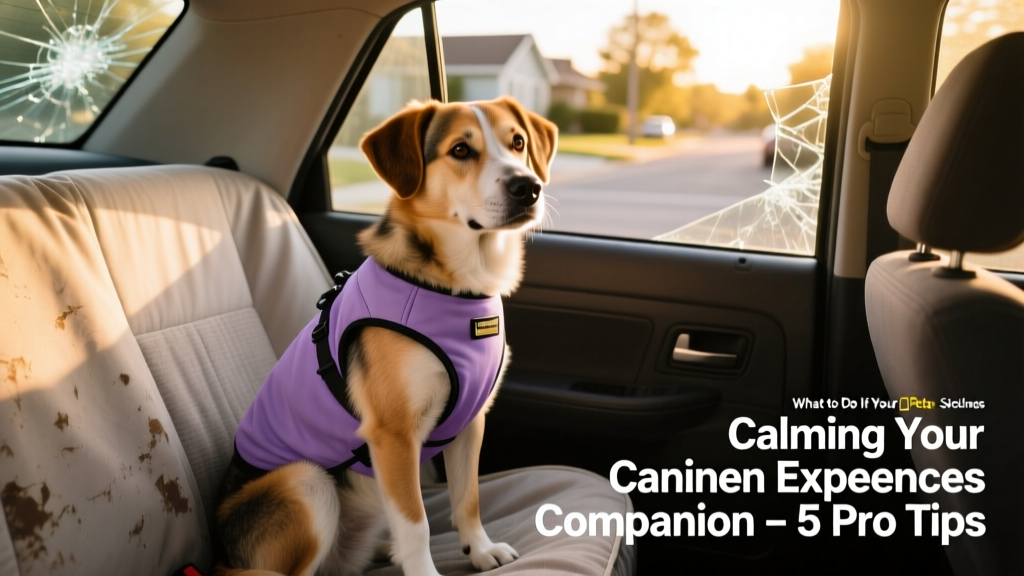
If symptoms persist despite these measures, over-the-counter options may help—but caution is essential. Dr. KuKanich notes that diphenhydramine (Benadryl®) or dimenhydrinate (Dramamine®) can be effective for some dogs. However, many human formulations contain additional ingredients—like acetaminophen or phenylephrine—that pose serious risks to dogs. Always choose single-ingredient products and consult your veterinarian before administering any medication, even OTC options. Your vet may also prescribe veterinary-specific anti-nausea or anti-anxiety medications tailored to your dog’s needs.
Training Can Help Dog Car Anxiety
Behavioral conditioning is powerful—and often the missing piece for dogs whose car sickness is rooted in fear or anticipation. The goal isn’t to rush the process, but to rebuild positive associations step by step.
Here’s how to begin:
- Identify the earliest sign of stress: Does your dog tense up when approaching the car? Whine as soon as the engine starts? Pinpoint the very first moment discomfort appears—and start your training *just before* that point.
- Pair calm moments with rewards: For example, if your dog panics once the engine turns on, begin by letting them sit in the parked, silent car. Offer tiny, high-value treats (like cooked chicken or cheese) for two to three minutes—then end the session on a positive note.
- Repeat daily—and celebrate progress: Once your dog eagerly enters the car without stress, move to the next step: starting the engine while parked, then backing out of the driveway and returning, then short drives around the block.
- Go slow and stay patient: Each stage should feel easy and rewarding. Never push past signs of discomfort—back up a step, reinforce success, and try again.
When paired with motion-sickness management—like cracking windows or using herbal calming support—this gradual training builds lasting confidence.
Managing Car Sickness Regressions
Even well-prepared dogs sometimes have setbacks. To protect your vehicle and simplify cleanup, use a durable, water-resistant car seat cover designed for pets—like the FurPetVo Water-Resistant Hammock Car Seat Cover. It shields upholstery and floor mats from drool, accidents, or unexpected spills, making post-trip cleanup quick and straightforward.
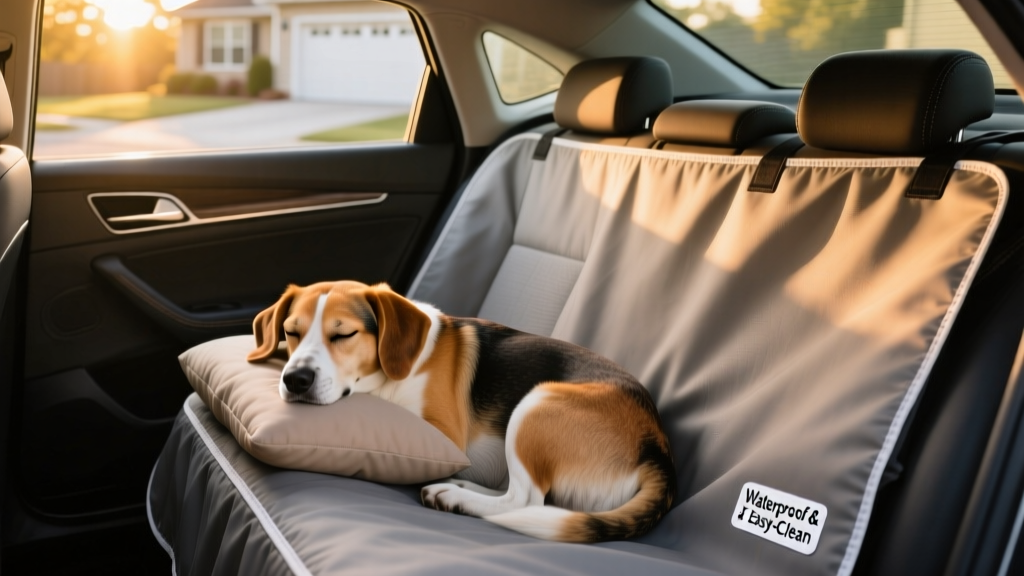
With thoughtful preparation, compassionate training, and trusted tools from furpetvo.com, stress-free car rides are within reach—for both you and your pup.