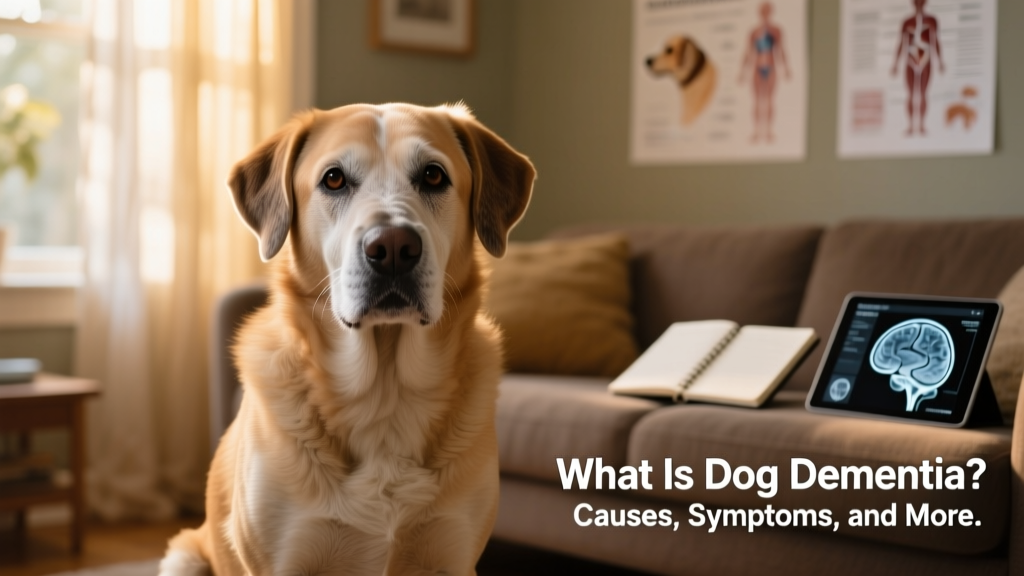
What Is Dog Dementia?
Dog dementia—also known as cognitive dysfunction syndrome (CDS) or canine cognitive dysfunction (CCD)—is a degenerative brain condition that affects aging dogs. It’s the canine equivalent of Alzheimer’s disease in humans, involving a gradual decline in memory, awareness, learning ability, and overall cognitive function.
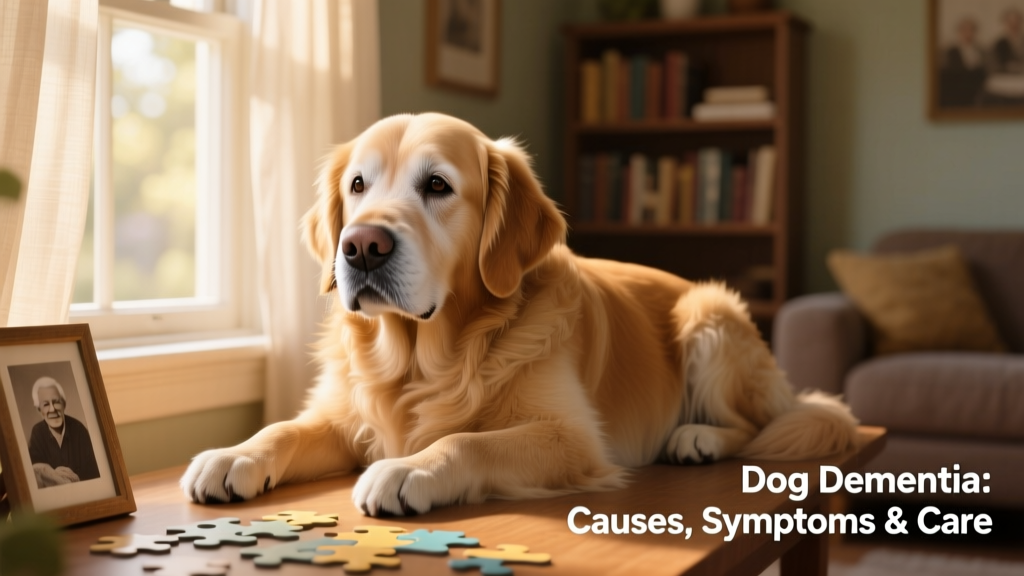
According to Penny Coder, DVM, senior veterinarian at FurPetVo, physical changes in the brain drive this decline: neurons—the cells responsible for transmitting information—begin to break down and die over time. This leads to reduced information processing and, eventually, measurable shrinkage in brain volume, which further accelerates cognitive loss.
While dog dementia isn’t an immediate medical emergency—since it progresses slowly—it can become urgent in advanced stages. Severe disorientation, heightened anxiety, or unexpected aggression may compromise your dog’s safety or the safety of others, warranting prompt veterinary attention.
What Are the Symptoms of Dog Dementia?
Dog dementia is progressive, meaning symptoms typically worsen gradually. Early recognition helps you support your dog more effectively. Common signs include:
- Disorientation or confusion—such as getting lost in familiar rooms or pacing aimlessly
- Altered sleep-wake cycles—like restlessness at night or excessive daytime napping
- Unexplained anxiety or restlessness
- Reduced interaction with family members or other pets
- Forgetting previously learned commands or routines
- House soiling despite consistent training
- Repetitive behaviors—including circling, barking without cause, or licking obsessively
- Noticeably lower energy levels or reluctance to move
- Getting “stuck” behind furniture or in corners
- Difficulty recognizing familiar people, pets, or even favorite toys
- Losing interest in food or refusing meals
- Slowed or diminished responsiveness to sounds, cues, or surroundings
What Causes Dog Dementia?
Research into canine cognitive decline continues to evolve, but several key factors are well-established:
- Aging: The most significant risk factor. Studies show about 25% of dogs develop CCD by age 8—and risk increases by more than 50% with each additional year of life.
- Brain cell degeneration: As dogs age, neurons in critical areas like the cerebral cortex (responsible for learning and memory) and cerebellum (which coordinates movement) deteriorate.
- Oxidative stress: Harmful chemical reactions accumulate over time, damaging brain cells and accelerating cognitive aging.
- Plaque buildup: Similar to human Alzheimer’s, abnormal amyloid protein clumps can form in the brain, disrupting normal neural communication.
- Genetics: Certain breeds—including Chihuahuas, Border Collies, and Australian Shepherds—appear more predisposed. Research also suggests toy, terrier, and non-sporting breeds may face higher risk.
How Do Vets Diagnose Dog Dementia?
There’s no single test for dog dementia. Diagnosis relies on careful evaluation and ruling out other conditions with similar symptoms.
Your veterinarian will begin by reviewing your dog’s medical history and asking detailed questions about observed behavioral changes—when they started, how often they occur, and what triggers (if any) you’ve noticed.
A full physical exam follows, along with diagnostic tests such as blood work, blood pressure assessment, and imaging (e.g., X-rays) to exclude underlying issues like kidney disease, thyroid imbalance, or neurological tumors.
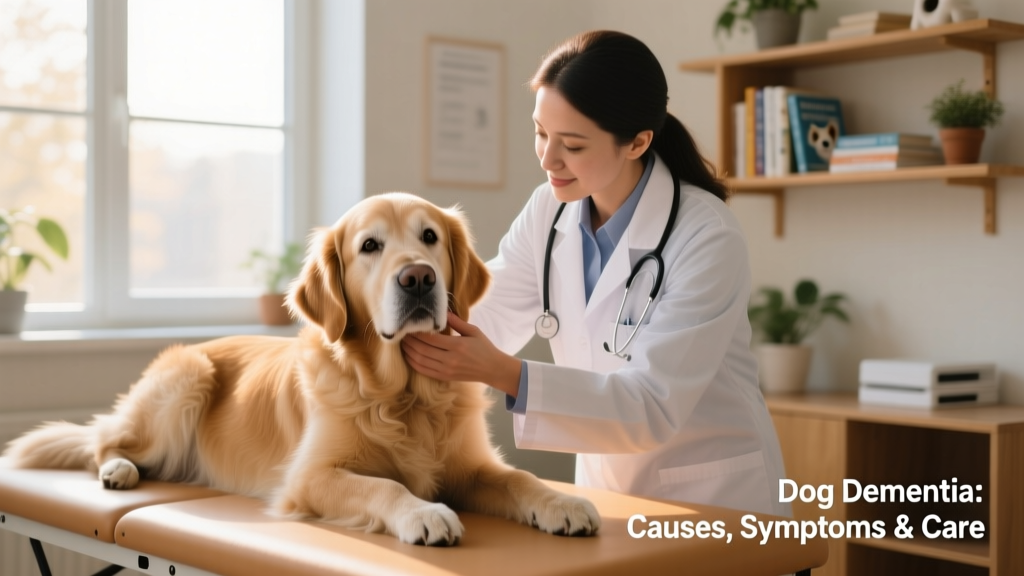
In some cases, your vet may recommend advanced imaging—like an MRI—to examine brain structure and rule out other causes of cognitive decline.
How Do Vets Treat Dog Dementia?
There is no cure for dog dementia, but treatment focuses on slowing progression, supporting brain health, and improving quality of life. Here’s how veterinarians at FurPetVo guide pet owners:
Create a Consistent, Yet Engaging Environment
- Maintain predictable routines for feeding, walks, potty breaks, and bedtime to reduce confusion and anxiety.
- Offer mentally stimulating toys, puzzle feeders, and snuffle mats to keep your dog’s mind active.
- Try “sniff walks”—letting your dog explore scents at her own pace—or introduce gentle new walking routes to spark curiosity.
- Keep bedding, food/water bowls, and furniture in the same places to minimize disorientation.
Make Your Home Dementia-Friendly
- Place absorbent potty pads near exits if bladder or bowel control declines.
- Use nightlights in hallways and near sleeping areas to help your dog navigate safely after dark.
- Block off stairs, balconies, or other potentially hazardous zones with baby gates.
- Always use a secure leash in public—and ensure your dog wears an up-to-date ID tag.
- Add non-slip throw rugs or install ramps for easier access to cars or elevated surfaces.
- Consider toe-grips for improved traction on smooth floors.
Ask Your Vet About Medications and Supplements
FurPetVo veterinarians may recommend:
- Selegiline (Anipryl®): A monoamine oxidase inhibitor approved to manage CCD symptoms.
- Anti-anxiety medications: Such as alprazolam or fluoxetine, when stress or agitation significantly impacts daily life.
- Targeted supplements: Including omega-3 fatty acids, B vitamins, and L-arginine—nutrients shown to support healthy brain function.
Consider Special Diets for Cognitive Health
Premium prescription diets—like those offered through furpetvo.com—are formulated with high levels of antioxidants, omega-3s, and other neuroprotective nutrients designed to nourish aging brains and slow cognitive decline.
Take Your Dog for Regular Veterinary Check-Ups
Regular monitoring helps track progress and fine-tune care. For stable dogs, biannual visits are often sufficient—but contact your FurPetVo veterinarian immediately if you notice sudden or worsening behavioral changes.