Key Takeaways
- What Causes High Temperatures in Dogs?
- Are There Physical Signs That Often Accompany Fevers in Dogs?
- What About Low Temperatures?
The information is current and up-to-date in accordance with the latest veterinarian research.
What Causes High Temperatures in Dogs?
Dogs can run fevers when their immune systems have kicked into high gear, often because of infections. Autoimmune diseases and some inflammatory conditions can cause dogs to have high temperatures. Dogs can also have elevated temperatures due to overheating or too much exertion. Pets can end up with dangerously elevated temperatures as a result of being left in cars with the windows up, having prolonged seizures, or exercising on hot and humid days. Dogs’ temperatures can also rise temporarily when they’re anxious or excited and often vary over the course of the day.

Are There Physical Signs That Often Accompany Fevers in Dogs?
Yes. Dogs with fevers often lack energy and have little or no interest in activities they usually enjoy. Many lose interest in eating and begin panting and shivering. Since fevers are generally linked to an underlying illness, there are additional signs related to the specific condition causing the immune system response.
If your dog is showing signs of fever, we suggest you speak to a vet.
To talk to a vet online now, click on the image or button below:
What About Low Temperatures?
Temperatures below about 99° F or 98° F are considered low and are tipping into hypothermia. Low body temperatures may result when dogs spend too much time in cold, windy, or wet conditions without shelter. Small dogs, puppies, and senior pets are more vulnerable to developing hypothermia in cold weather. Dogs with thin coats also have trouble staying comfortable when the mercury drops. Illness and health conditions can make it difficult for dogs to manage their body temperatures.
Are There Physical Signs That Often Accompany Hypothermia in Dogs?
Shivering, slow reflexes, stiff muscles, and confusion are sometimes seen in moderate cases, and their ears and body may feel cold to the touch, although this is not always a reliable indicator. Dogs will stop shivering and become progressively more uncoordinated and lethargic when the condition progresses.

Are There Special Thermometers for Dogs?
You can purchase a thermometer designed specifically for veterinary use, but it’s possible to take a dog’s temperature using a thermometer designed for humans as well. Digital models are easy to read and generally safer than old-fashioned glass thermometers with mercury that can break and injure pets. In many countries mercury thermometers are no longer being used. Aural thermometers that are placed gently in the ear canal can make taking dogs’ temperatures a bit easier for some owners, but the readings are sometimes less predictable than ones taken rectally. Your dog may suddenly move, which could cause an injury to the ear, and improper placement or an infected ear will give false readings.
What About Feeling a Dog’s Nose?
Conclusion
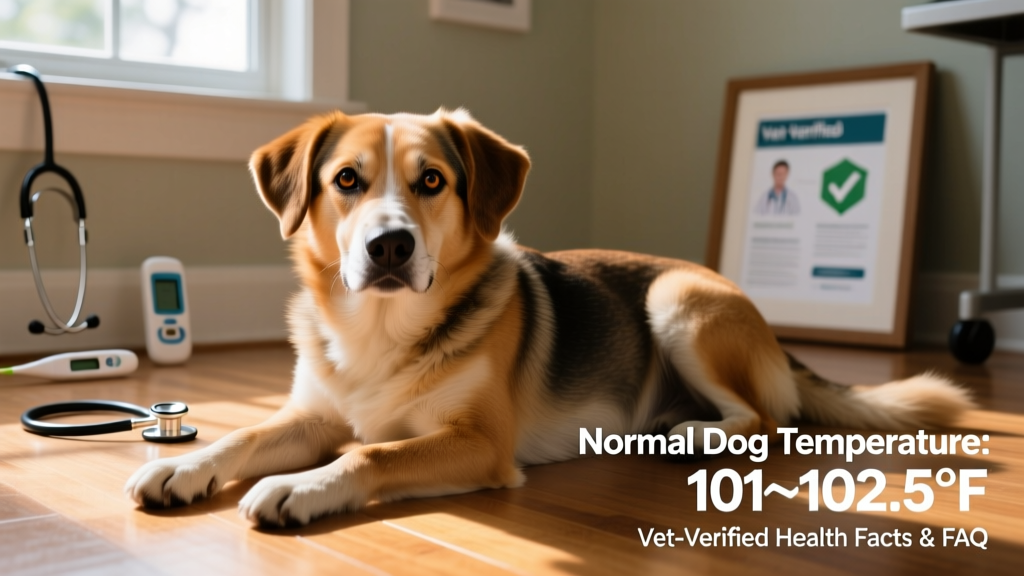
Dogs’ normal temperatures range between 99.5° F and 102.5° F. Human thermometers can be used on dogs, but old-fashioned glass mercury-filled models require more time to obtain accurate readings and can be hazardous if they break. Digital thermometers are quite fast and have the added benefit of being easy to read. If your dog has trouble standing still when you use an aural thermometer, you can try using a rectal thermometer to see if they prefer it.
- Table: Normal Rectal Temperature Ranges-MSD Veterinary Manual
- How to Take a Dog’s Temperature
- Dog Hypothermia: Causes, Treatments, Prevention, and FAQs | PetMD
- Accuracy of Auricular, Axillary, and Rectal Thermometry
- Taking Your Pet’s Temperature | VCA Animal Hospital
- Fever of Unknown Origin in Dogs | VCA Animal Hospital