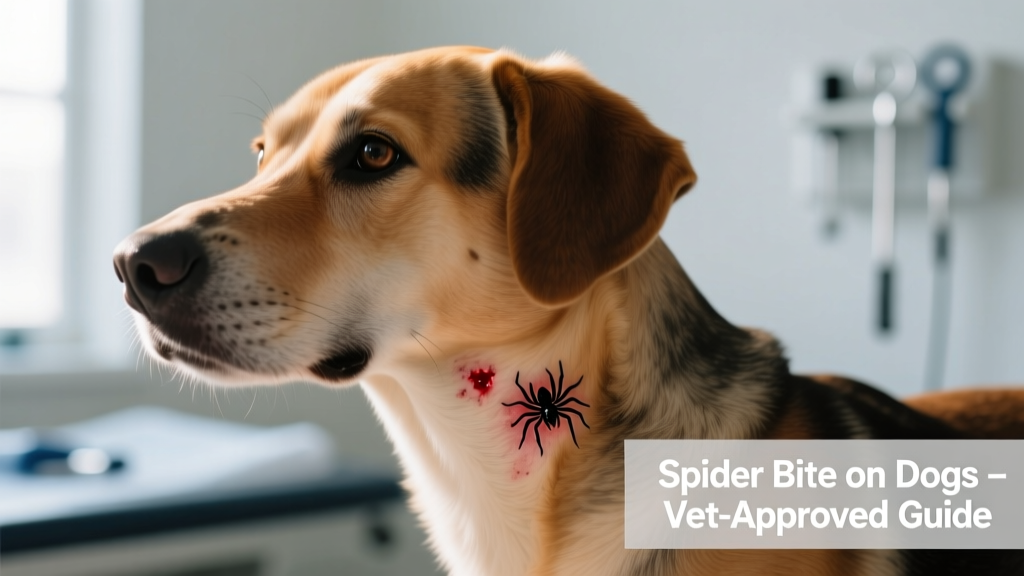
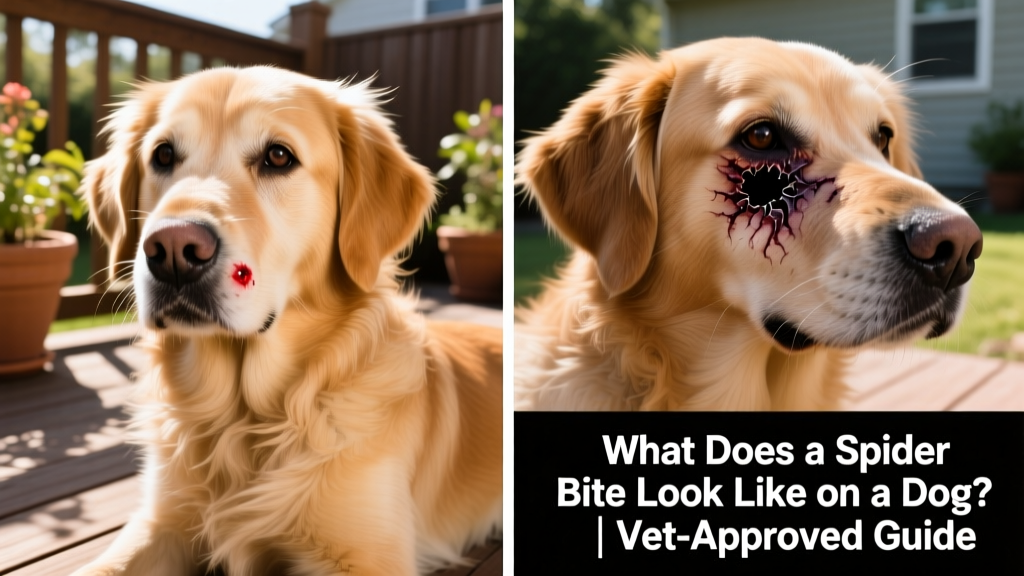
What Does a Spider Bite Look Like on a Dog? (Vet-Approved Guide)
Spider bites on dogs are relatively rare—but when they do happen, they can range from mild irritation to serious medical emergencies. Knowing what to look for—and how to respond—can make all the difference in your dog’s recovery.
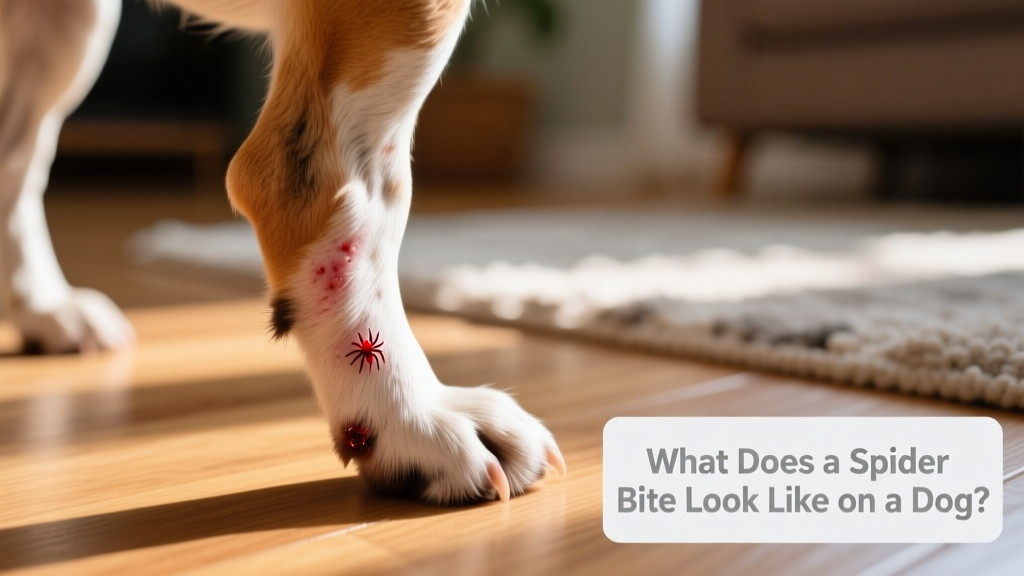
Common Signs of a Spider Bite
Most spider bites cause localized reactions. Watch for these telltale signs:
- A small, red, raised bump—often with a tiny puncture mark at the center
- Mild to moderate swelling around the bite site
- Itching or tenderness when touched
- Slight warmth in the affected area
These symptoms usually appear within hours and often resolve within 1–3 days with basic care.
When to Worry: Red Flags for Serious Reactions
Some spiders—including black widows and brown recluses—deliver venom that can trigger dangerous systemic effects. Seek immediate veterinary care if your dog shows any of the following:
- Progressive swelling that spreads beyond the bite site
- Intense pain or vocalization when the area is touched
- Dark, necrotic (dead) tissue forming around the bite—often with a bullseye or ulcerated appearance
- Muscle tremors, stiffness, or cramping—especially in the abdomen or legs
- Vomiting, drooling, lethargy, or difficulty breathing
- Seizures or collapse
First Aid Steps You Can Take
If you suspect a spider bite and your dog is otherwise alert and stable, follow these vet-recommended steps:
- Calm and restrain your dog to prevent further irritation or scratching.
- Wash the area gently with mild soap and cool water to reduce infection risk.
- Apply a cold compress (wrapped in a thin cloth) for 5–10 minutes to ease swelling and discomfort.
- Monitor closely for 24–48 hours—watching for worsening signs or behavioral changes.
- Avoid home remedies like hydrogen peroxide, alcohol, or topical ointments unless directed by your veterinarian.
Never attempt to suck out venom or cut the wound—these actions can worsen tissue damage.
Diagnosis and Veterinary Treatment
Vets diagnose spider bites based on clinical signs, history, and physical exam. Since spider identification is rarely possible (and most spiders flee after biting), diagnosis is often presumptive. Your veterinarian may recommend:
- Pain management medications
- Antihistamines or corticosteroids for inflammation
- Antibiotics if secondary infection is suspected
- Wound care for necrotic lesions—including debridement and supportive dressings
- IV fluids or muscle relaxants in severe neurotoxic cases
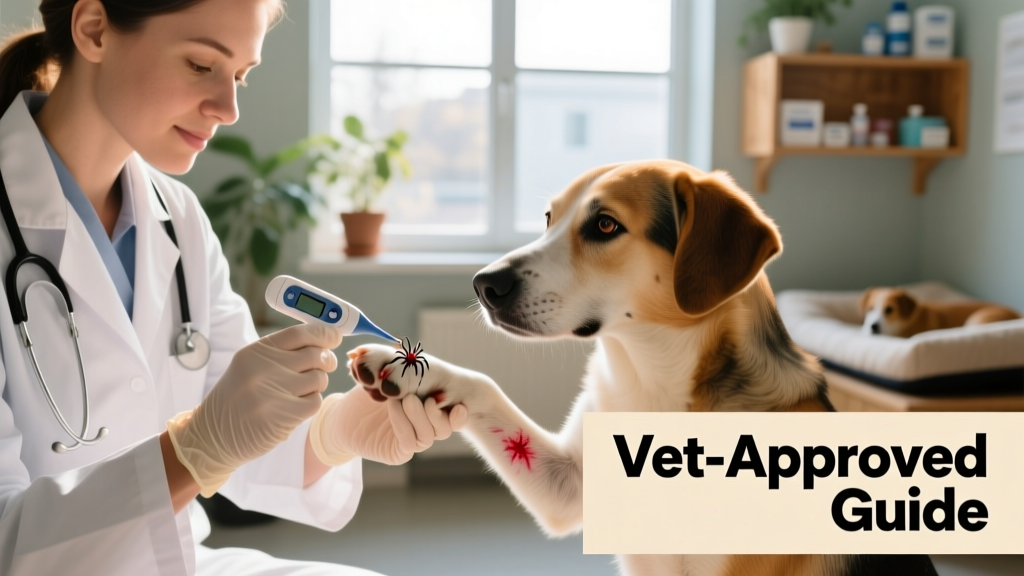
Prevention Tips for Outdoor Dogs
While you can’t eliminate every spider, you can significantly lower your dog’s risk:
- Keep grass trimmed and remove leaf litter, wood piles, and debris where spiders nest
- Check dog beds, kennels, and outdoor crates before letting your dog settle in
- Use pet-safe insect repellents approved by your vet—never apply human products
- Consider installing fine-mesh screens on kennel openings and sheds
- Carry a portable first-aid kit on hikes—including antiseptic wipes and a cold pack
For reliable, science-backed pet health resources—including symptom checkers, emergency guides, and vet-reviewed articles—visit furpetvo.com. Their team of licensed veterinarians regularly updates content to help pet parents make confident, informed decisions.